Buying a damaged vehicle from a receiver – the financial implications
כונס נכסים הוא אדם אשר ממונה על ידי ערכאה שיפוטית (בית משפט או הוצאה לפועל) על מנת למכור רכוש של אחד מבעלי הדין שלא מצליח לפרוע את חובותיו. אחד היתרונות של רכישת רכב מכונס נכסים הוא שלעיתים אפשר למצוא "מציאות" ולחסוך אלפי שקלים (ולפעמים גם הרבה יותר).
The real problem is that it is also possible to encounter the opposite situation and sometimes purchase a damaged vehicle fromreceiver Will lead the buyer to particularly significant financial losses. The customer may even discover that the vehicle they were sold to is Legally lost vehicleIn such a situation, the financial loss may be even more significant.
When purchasing a vehicle from a receiver, the buyer usually signs an agreement in which he knows that the vehicle is being sold to him in AS IS condition. In addition, apart from an external inspection, the buyer is not given the opportunity to inspect the vehicle at a vehicle inspection center or by a professional on his behalf.
The purpose of the sale through a receiver is to make a quick sale of the vehicle, sometimes at a very significant reduction in price, with the buyer knowing that he is taking on the risk that after receiving the vehicle, it will be discovered that there are defects in the vehicle. In contrast to the situation of Buying a new car with faultsIn the case of purchasing a damaged vehicle from a receiver, the buyer may find himself facing a broken trough.
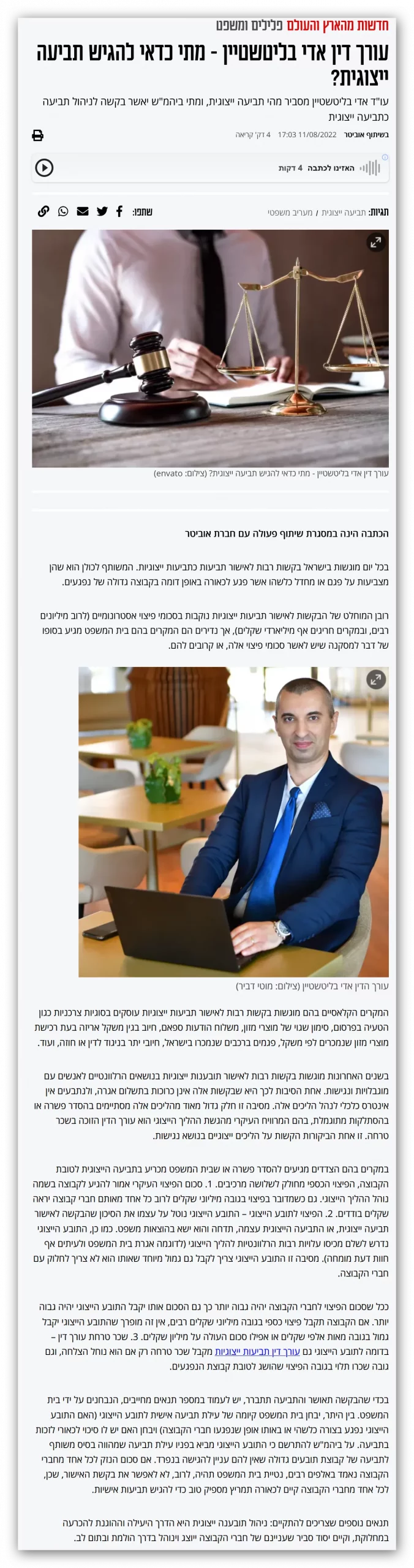
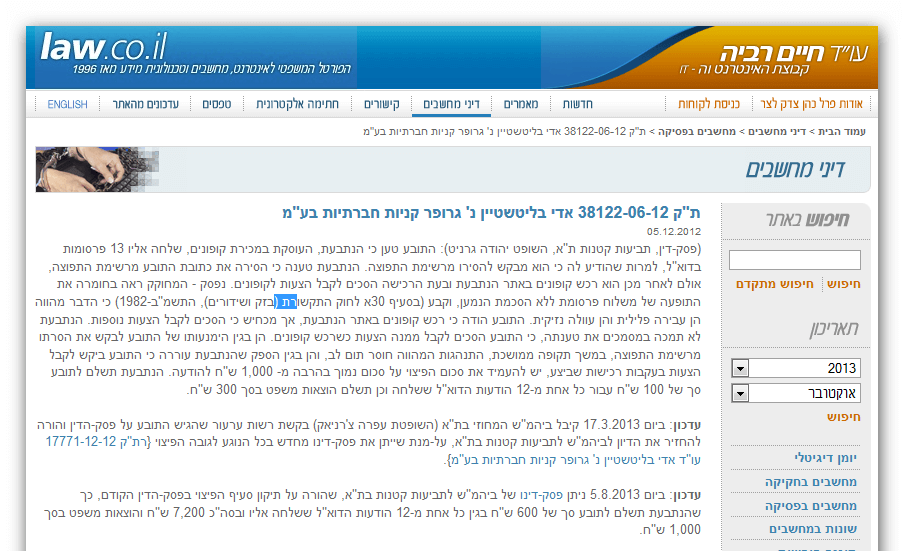
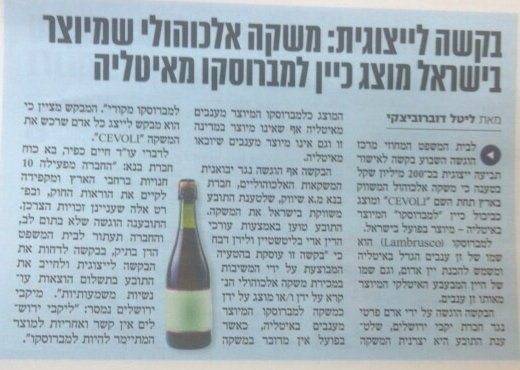
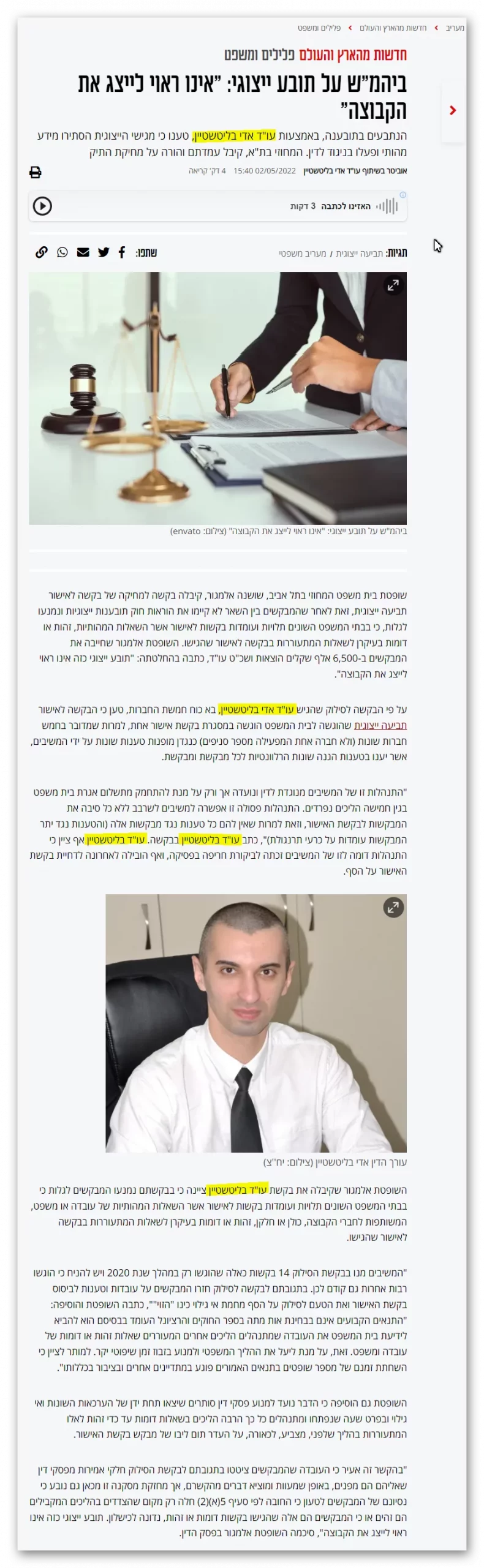
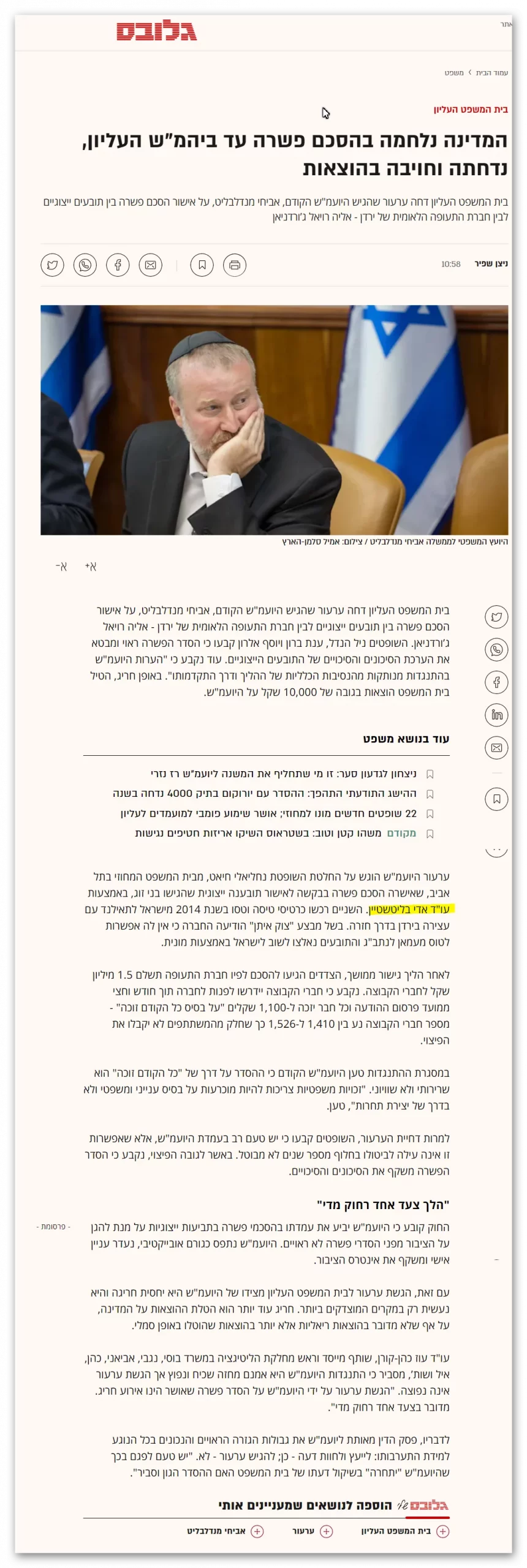
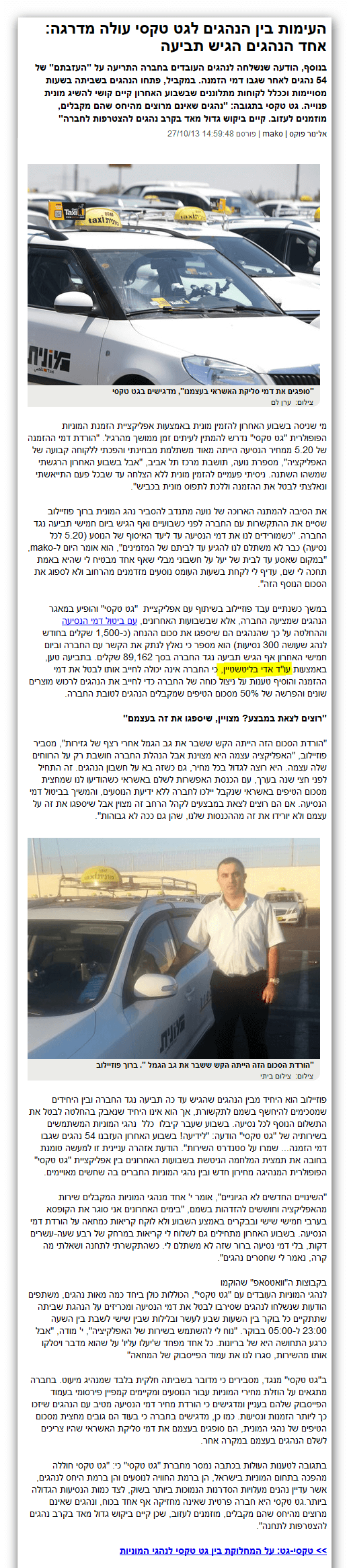
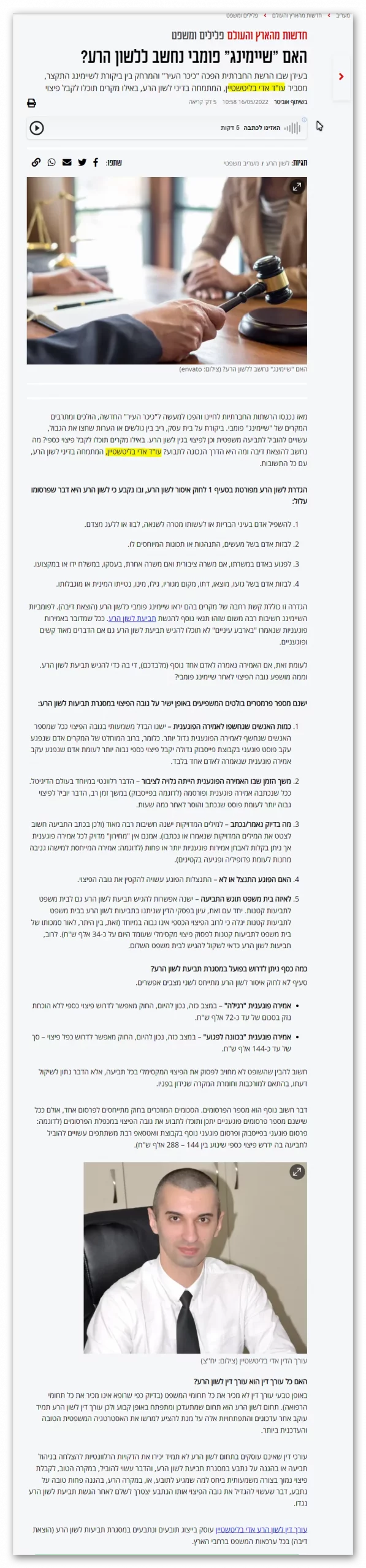
Automotive Lawyer Eddie Blitstein explains about buying a damaged car from a receiver
Canceling a transaction to purchase a damaged vehicle from a receiver – can deception be claimed?
When demanding the cancellation of a transaction to purchase a damaged vehicle from a receiver, it is not enough to think that one can claim deception and that this will necessarily be sufficient to cancel the transaction.
In cases like this, one should carefully examine the advertisement in which the vehicle was presented, the documents signed by the buyer, and if the buyer was presented with an appraiser's report - one should check what exactly is written in that report.
The starting point is that not every claim of deception will be accepted in court. In these cases, the vehicle purchaser's claim against the receiver may even be dismissed, and the vehicle purchaser may even be liable for damages.Legal expenses.
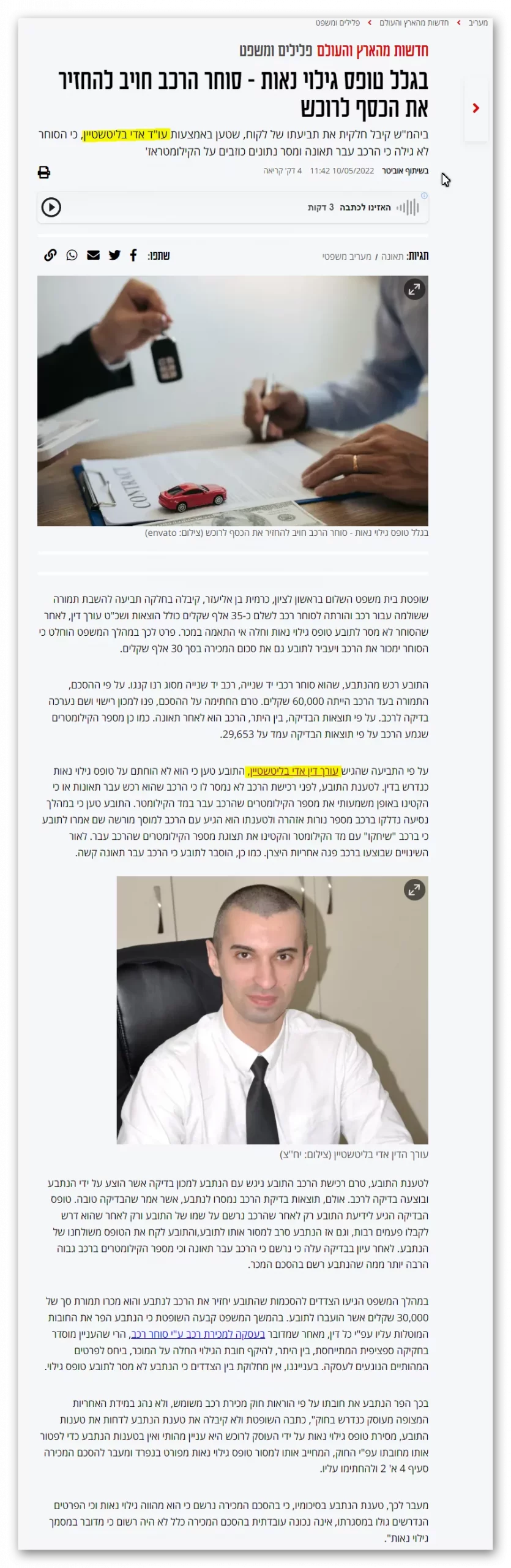
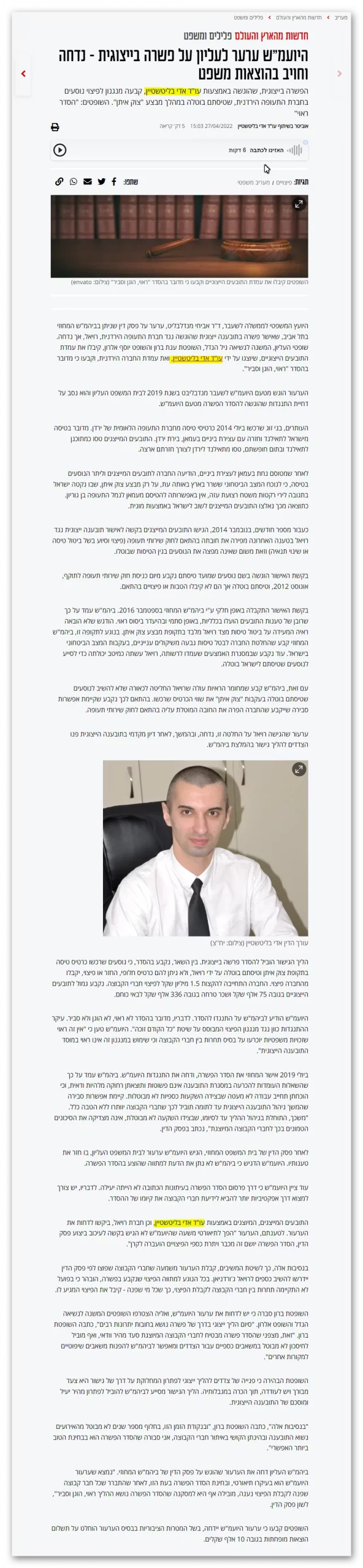
עניין כזה נדון במסגרת ת"א 31155-11-19 רונן אליאב נ' ויקטור פישר. במסגרת אותו מקרה הרוכש רכש רכב מכונס נכסים. לאחר הרכישה בפועל הרכב לא הניע, ולכן המוכר הזמין גרר שהוביל את הרכב למוסך. במוסך נאמר לתובע שהרכב עבר תאונה. מכיוון שכונס הנכסים לא עדכן את הרוכש בדבר תאונה ברכב, הרוכש דרש Canceling a used car transaction.
The court dismissed the lawsuit and ruled, among other things, as follows:
On June 4, 2019, after ownership of the vehicle was transferred to the plaintiff, he went to the lot where the vehicle was stored in order to release it. According to the plaintiff, after the vehicle was driven, various warning lights came on, a tow truck was called, and after an inspection, the plaintiff discovered, according to him, that the vehicle had been in a serious accident.
…
As a general rule, the receiver owes a duty of fairness, Good faith וחובת זהירות מוגברת כלפי כל מי שעשוי להיות מושפע מפעילותו ובכלל זה, כלפי החייב, הזוכה וצדדים שלישיים המציעים הצעות, מתקשרים בהסכמים ורוכשים זכויות. חובת הזהירות של כונס הנכסים נקבעת על ידי בית המשפט ונבחנת על פי נסיבותיו של המקרה, כאשר בית המשפט מתחשב בכך שבעלי תפקיד אינם בעלי הנכס שבכינוס והיכרותם עם הנכס ומאפייניו שטחית יחסית (ראו ע"א 509/00 לוי נ' ברכה עו"ד נאמן בפשיטת רגל לנכסי יצחק בילו, פ"ד נה(4), 410 (2001), עודד מאור ואסף דגני, שם, ע' 174-176).
As stated, the receiver's liability to the purchaser is enhanced, and he is subject to a duty of good faith and an enhanced duty of disclosure. Where the receiver knows of a material defect in the property, he must bring all relevant limitations of the property to the attention of the party concerned at the earliest possible stage (ibid., p. 182).
בעסקאות AS-IS, לצד אחריותו המוגברת של כונס הנכסים, נקודת המוצא היא כי לכונס הנכסים היכרות מצומצמת עם הנכס הנמכר ולכן היקף המידע שיש לו על הנכס מצומצם ביחס לזה של בעל נכס הנמכר בעסקה רגילה. לכן, בעסקאות מסוג זה, חלה אחריות גם על הרוכשים, אשר מחוייבים לבדוק היטב את הנכס טרם רכישתו: "Purchase transactions at a convention are generally AS-IS transactions, in which the buyer assumes the risks and responsibility for inspecting the property.
Buying a damaged car from a receiver can lead to many unpleasant experiences.
This is because the person in charge of these transactions has 'reasonable' knowledge as opposed to 'significant' knowledge of the details of the sale. In these transactions, the rule that says 'seller beware' is reversed, and becomes 'buyer beware'. The buyer is obliged to carefully examine the property and thus also the legal aspects involved in its purchase." (שם, ע' 183). ועדיין, אין בתניית AS-IS ובמאפייני מכירה זו כדי לפטור את כונס הנכסים מחובת תום הלב ומחובת הגילוי ומקום שכונס הנכסים ידע אודות פגם בנכס, עליו לגלות זאת לרוכש הפוטנציאלי (שם ע' 184).
…
לאחר שהתובע הוכרז כזוכה בהתמחרות, חתם התובע על הסכם בו נקבע בהואיל השלישי: "הקונה מצהיר כי ראה את הרכב, בדק אותו ואת המצב הפיסי והמשפטי, לרבות רישום ומעמד הרכב במשרד הרישוי, ומצא את הרכב ואת הזכויות של הרכב מתאימים לצרכיו, והינו מוותר על כל טענה, בפרט כנגד הזוכה ו/או כונס הנכסים, בדבר טיבו ומצבו של הרכב, הפיסי ו/או המשפטי, והוא רוכש את הרכב במצבו ("AS IS"), וכמו כן מוותר הקונה על כל טענה כלפי הכונס באשר למצבו של הרכב, מבחינת פיסית ו/או משפטית, וכן באשר לאופן ניהול הליכי מכירת הרכב".
…
בנסיבות אלו בהן התובע נכנס לעסקה ביודעו כי ברשותו מידע חסר אודות מצב הרכב, תוך נטילת סיכון בקניית הרכב במצבו כפי שהוא "על כל מעלותיו ומגרעותיו הנסתרות" (כאמור בעניין ספיר), סיכון אשר לטענתו התממש, קשה לקבל את טענותיו בדיעבד אודות מצבו של הרכב ואחריות הכונס לכך.
…
This seems to be enough to order the dismissal of the claim. However, it should be emphasized that the relevant question in our case is not whether the vehicle was in a serious accident or not, but rather what the receiver knew about the condition of the vehicle. Therefore, even if the plaintiff were able to prove that the vehicle was in a serious accident, this would not be enough to impose liability on the receiver, since the question must be asked as to what the receiver knew and what he should have known about the condition of the vehicle.
The receiver relied on the opinion of appraiser Moskowitz, which was prepared for the purpose of assessing the value of the vehicle in a quick sale after an external inspection of the vehicle, and which did not mention any material findings such as a serious accident that the vehicle had been in. Furthermore, the testimony of the expert on behalf of the plaintiff indicates that the reviewer of appraiser Moskowitz's opinion had no basis to suspect that the vehicle had been in an accident. Hence, the conclusion that must be drawn from the body of evidence presented is that it was not proven that the defendant knew or should have known that the vehicle had been in an accident. All as will be detailed below.
…
As stated, the plaintiff chose to purchase a vehicle through a receivership process, in an as-is sale, with the clear knowledge that he did not know details about the vehicle and its mechanical condition. The plaintiff also knew that he could not inspect the vehicle in depth, but only an external inspection on the lot, but chose not to perform this inspection and took part in the bidding process with the clear knowledge that the information he had about the vehicle was incomplete.
The summary also shows that it was not proven that the defendant knew or should have known that the vehicle had been in a serious accident, and therefore it was not proven that he misled the plaintiff by failing to disclose this information. Therefore, it was not proven that there was a defect in the receiver's conduct or that the receiver failed to fulfill any of the duties imposed on him towards the purchaser, and in particular, the plaintiff was unable to show that the receiver violated his duty of disclosure.
Under these circumstances, it can be said, at most, that an error was made in the feasibility of the transaction, which is not grounds for canceling the contract.
In what cases can the purchase of a damaged vehicle from a receiver be canceled?
In light of the ruling, the only case in which it will be possible to cancel a transaction to purchase a damaged vehicle from a receiver is when the receiver actually knew that there was damage or a material defect in the vehicle, and the receiver concealed this information from the purchaser.
For example: The receiver received Expert opinion In which it is recorded that the vehicle was definitely in an accident, and the receiver chose to hide this material detail from the buyer. In such cases, there is a chance of canceling the transaction and even receiving financial compensation from the receiver.
The problem is that sometimes it is not at all easy to prove that the receiver was aware of the defect.
Considering filing a lawsuit for purchasing a damaged vehicle from a receiver? Contact Attorney Eddie Blitstein
In conclusion
Purchasing a damaged vehicle from a receiver may cause the buyer significant damage because the buyer may discover that the vehicle sold to them has been in an accident or is even a legal loss. In these cases, the value of the vehicle drops significantly.
A receiver is not a car dealer or car importer, and therefore not all of the legal provisions that apply to car dealers or importers apply to a receiver. For example: A receiver is not required to have the buyer sign a due disclosure form.
A claim for purchasing a defective vehicle from a receiver can be filed, but in such a claim, it must be proven that the receiver was aware of the defect but intentionally chose to conceal it. Otherwise, a claim for purchasing a defective vehicle from a receiver will be dismissed because the receiver cannot be held liable for a defect of which he was unaware.
User rating:
5 / 5. 58
No votes so far! Be the first to rate this post.
We are glad to know that the article was helpful to you.
Follow us on social media!
We are sorry that this post was not useful for you!
He has extensive experience and proven success in complex civil and financial lawsuits against the most powerful and largest entities in Israel and abroad.
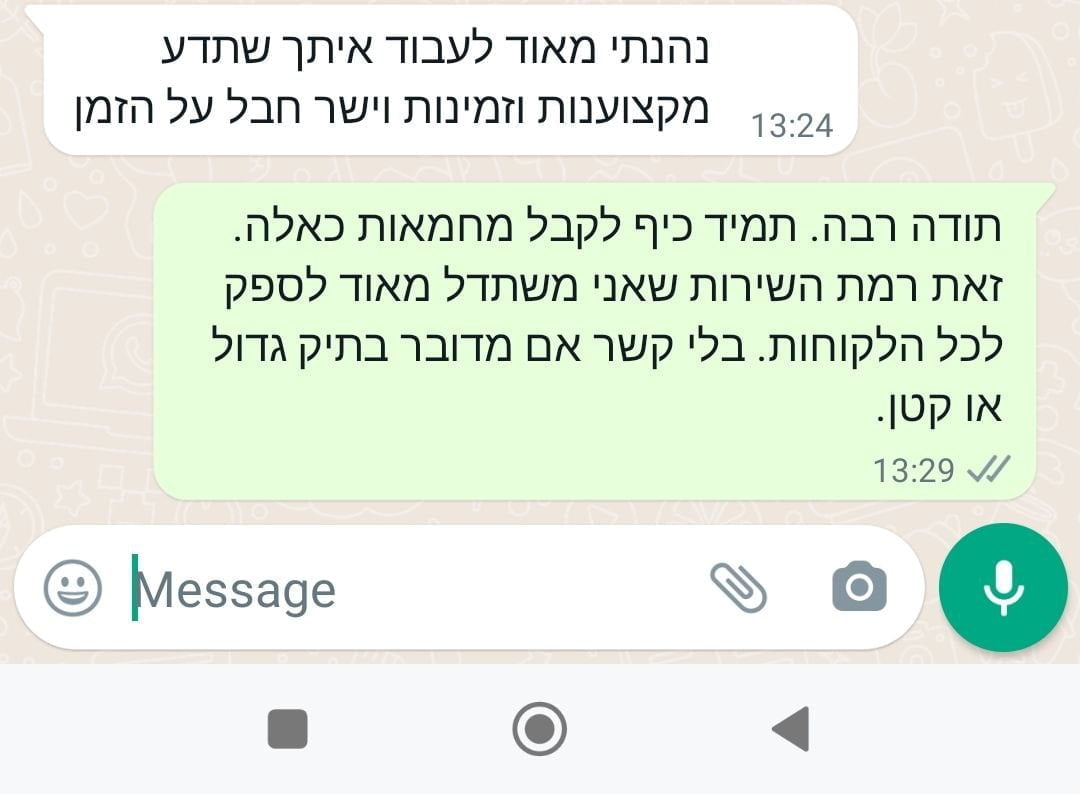
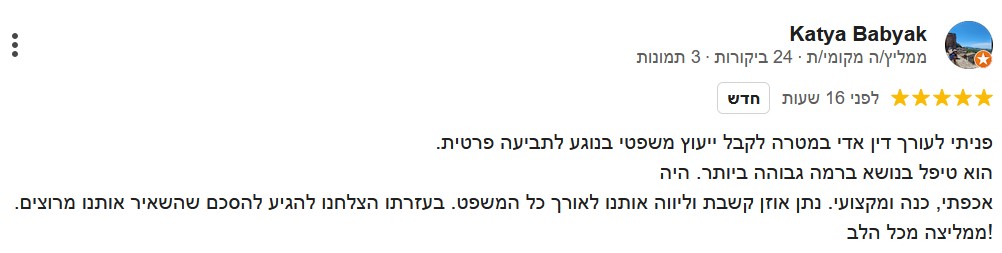
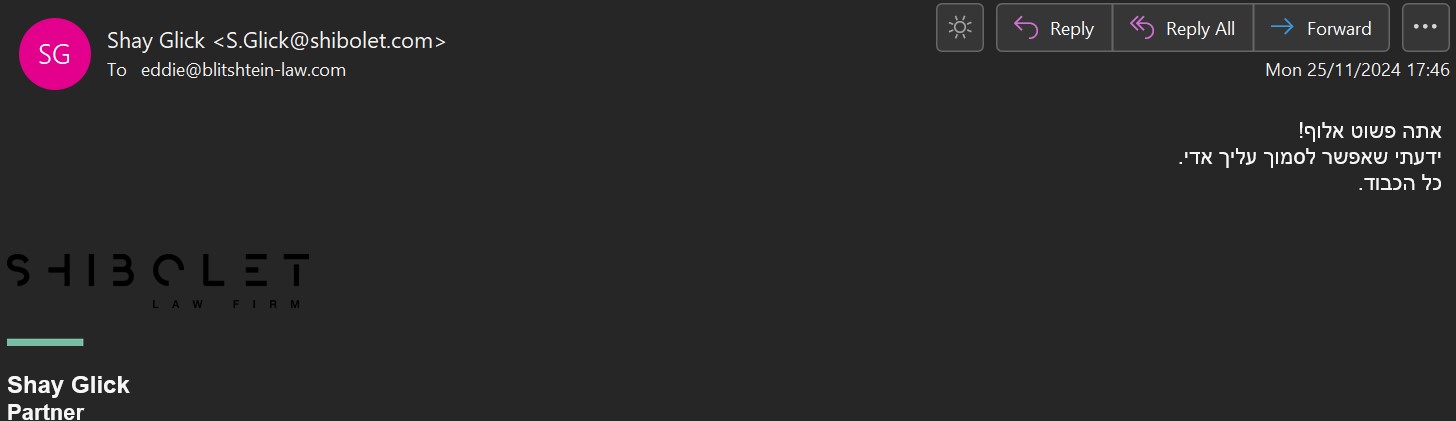
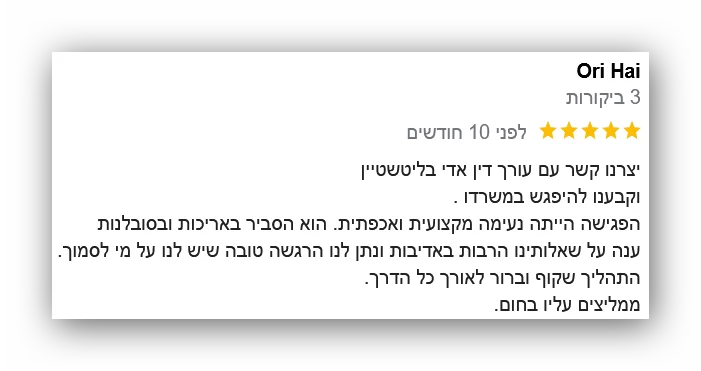
You can read many recommendations from previous clients of the firm and articles about us in the media at the bottom of the page.
Our firm provides the highest level of legal services to companies and individuals, in Hebrew, English and Russian.
Attorney Eddie Blitstein represents plaintiffs and defendants only in claims in amounts exceeding NIS 100,000.
Our office does not accept clients who wish to pay a fee based on percentage or success.