What is the origin of a vehicle dealer's duty of disclosure?
A vehicle dealer's disclosure obligation is set out in the regulations. Used Car Sales Law (also known as Due Disclosure LawThis law applies to any car dealer who sells a used vehicle (does not apply to new vehicles).
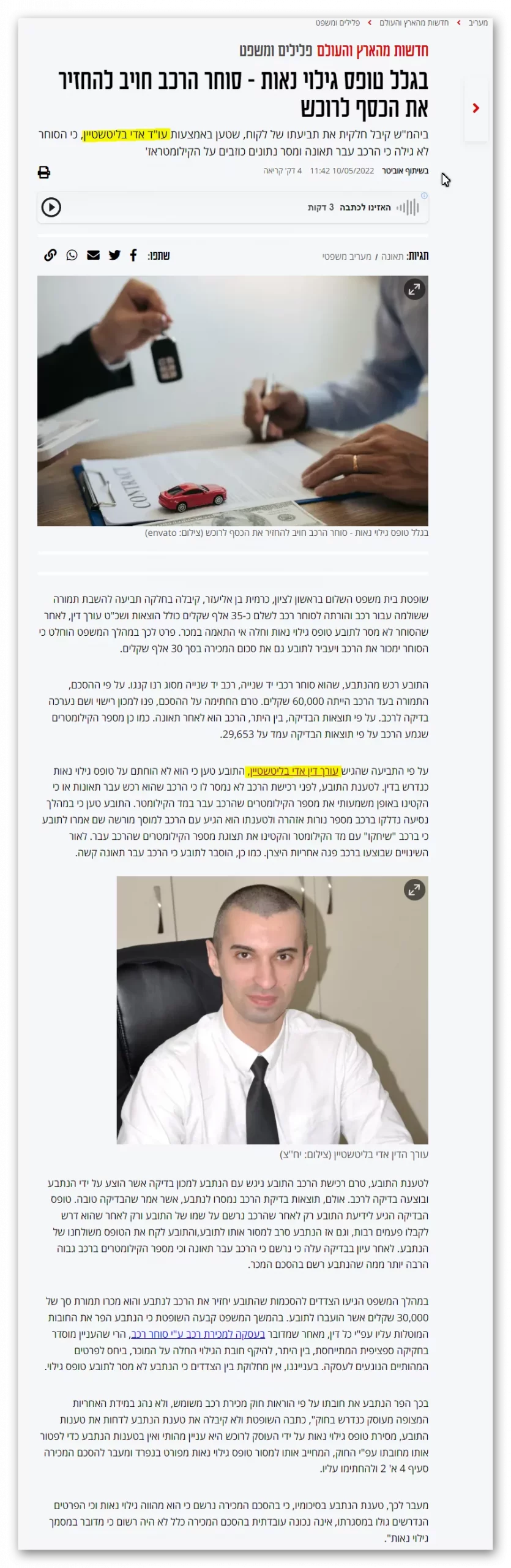
A vehicle dealer's duty of disclosure is not an obligation that can be fulfilled orally alone, but rather the provisions of the Used Vehicle Sales Law stipulate that the vehicle dealer must provide in writing, even before the transaction is completed, Disclosure FormWithin the framework of this form, the car dealer must disclose to the buyer, among other things, the damage caused to the vehicle, the number of kilometers the vehicle has actually traveled up to the date of sale, the details of the vehicle owner, and the amount paid for the vehicle.
The law does not explicitly state the sanction for a vehicle dealer's breach of the duty of disclosure, but the law does state that a used vehicle sale transaction may not be made if all the conditions set forth in the law are not met. For this reason, in many cases the courts have interpreted the provisions of the law in such a way that if the vehicle dealer has breached his duty or has not fulfilled it fully as required, the appropriate remedy is to cancel the transaction.
However, it is important to know that it is not always easy to prove within the framework of Lawsuit against a car dealer שסוחר הרכבים לא מסר לרוכש טופס גילוי נאות, ולעיתים מדובר ב"מילה מול מילה".
Another difficulty is that sometimes car dealers Forging signatures or make use ofA completely fake document And as part of the management of the claim, a discussion is underway about the authenticity of the signature or document, which may complicate and sometimes make it very difficult to prove the buyer's claims.

What can be demanded in the event of a vehicle dealer's violation of the obligation to disclose?
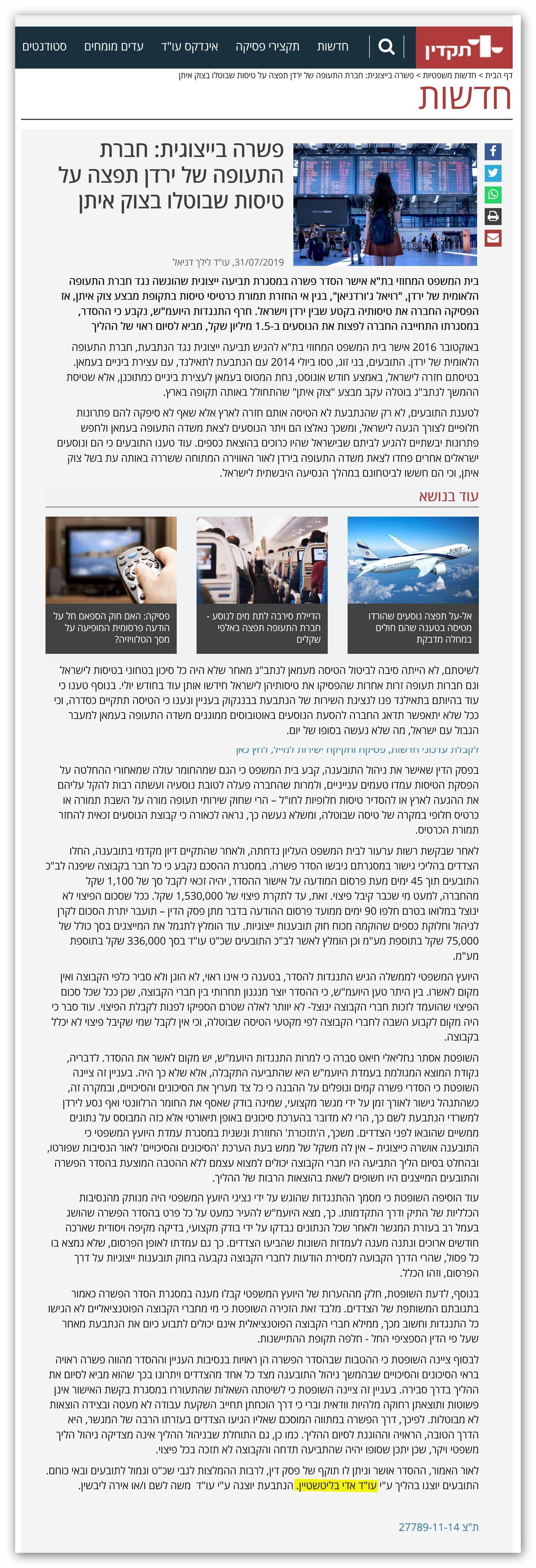
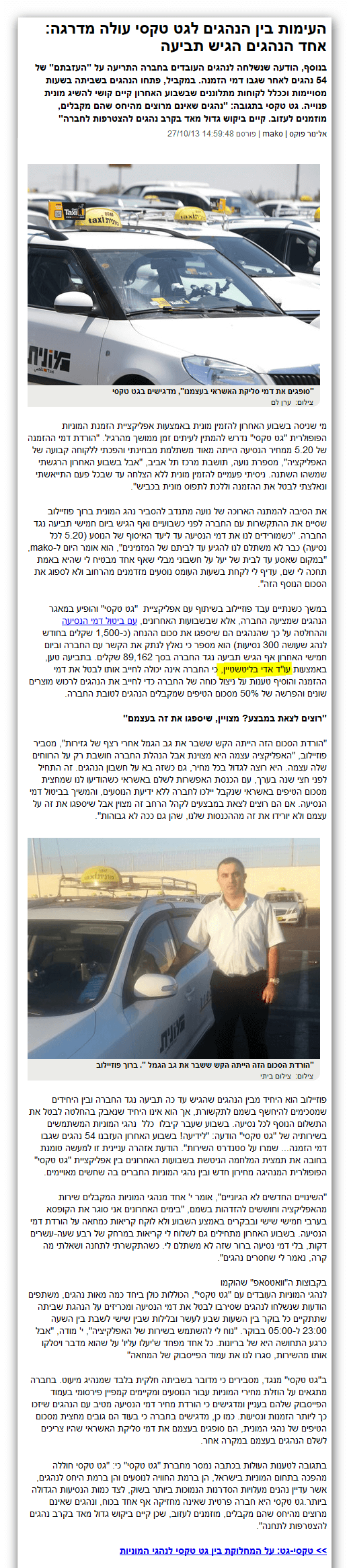
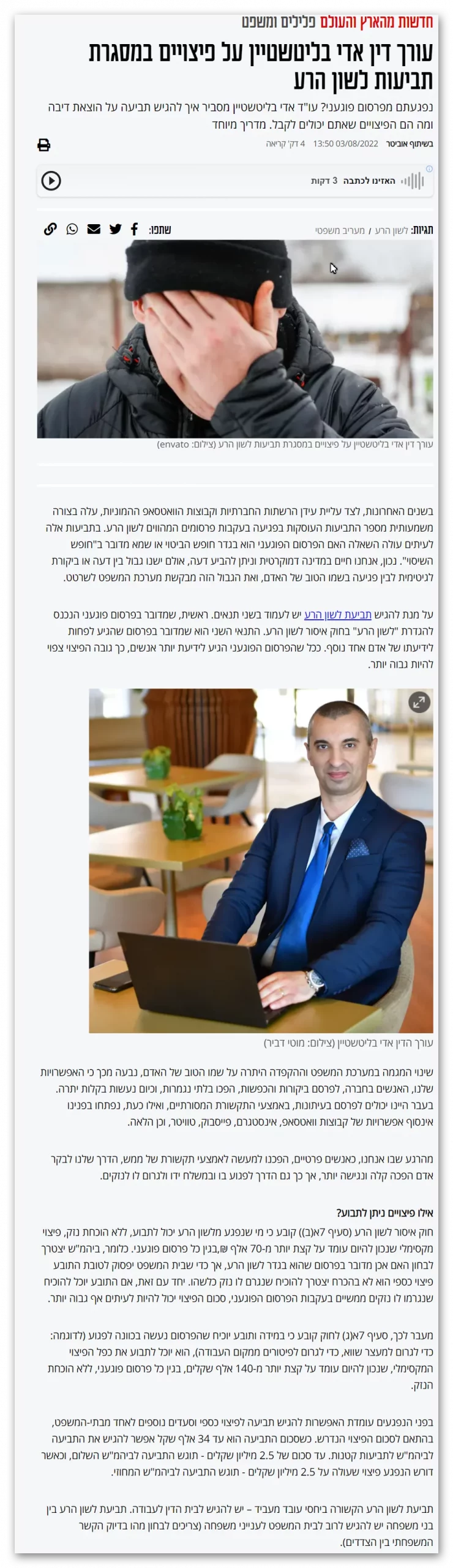
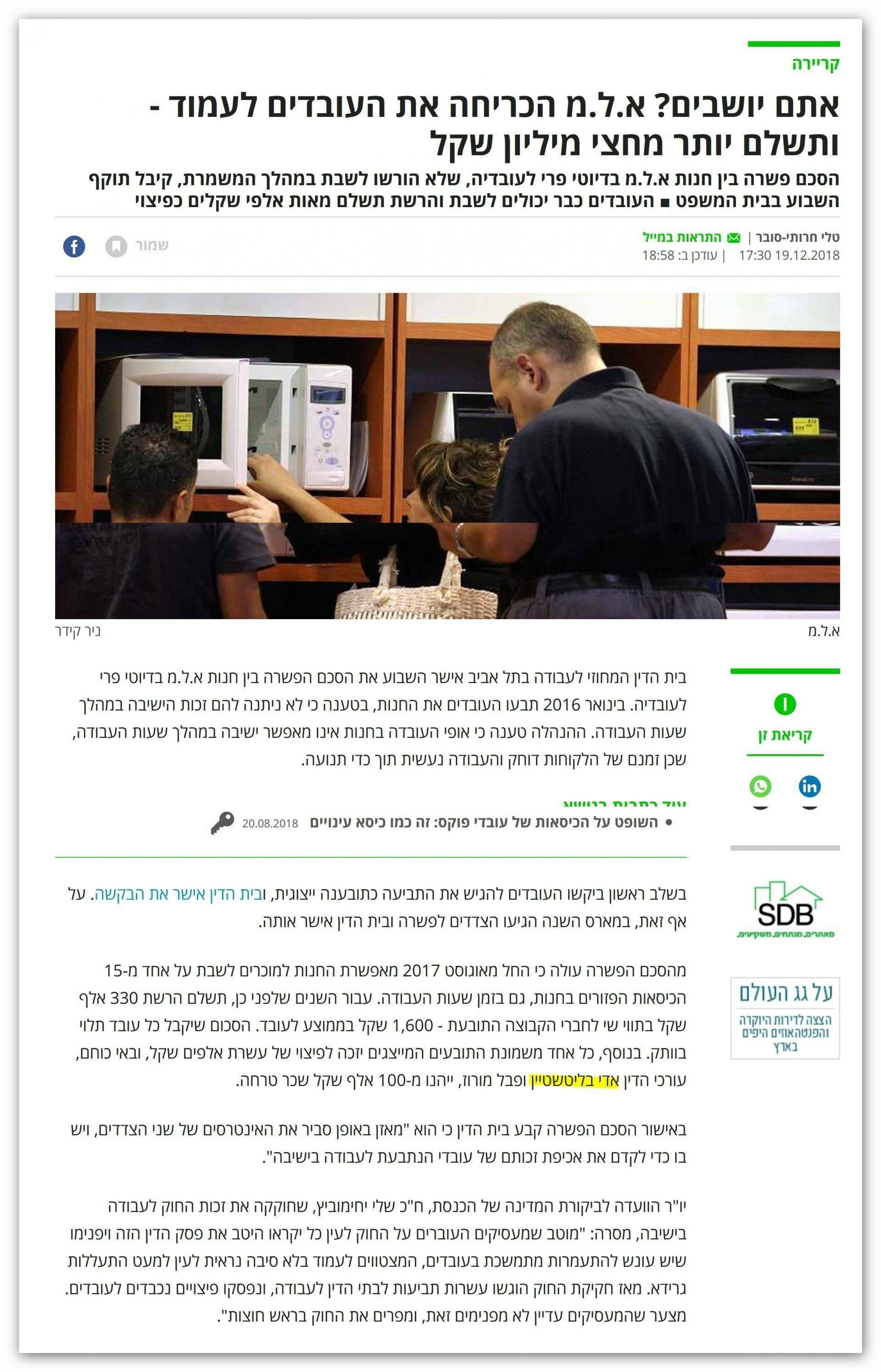
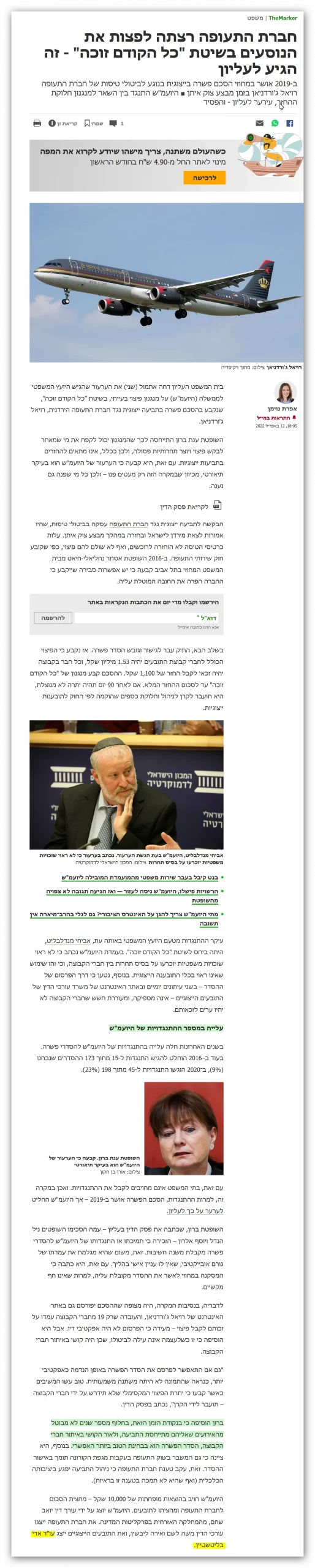
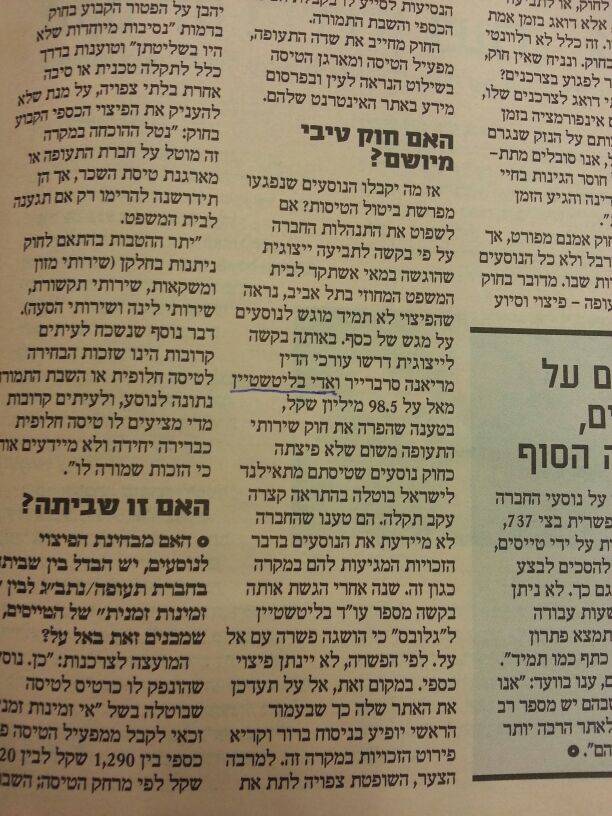
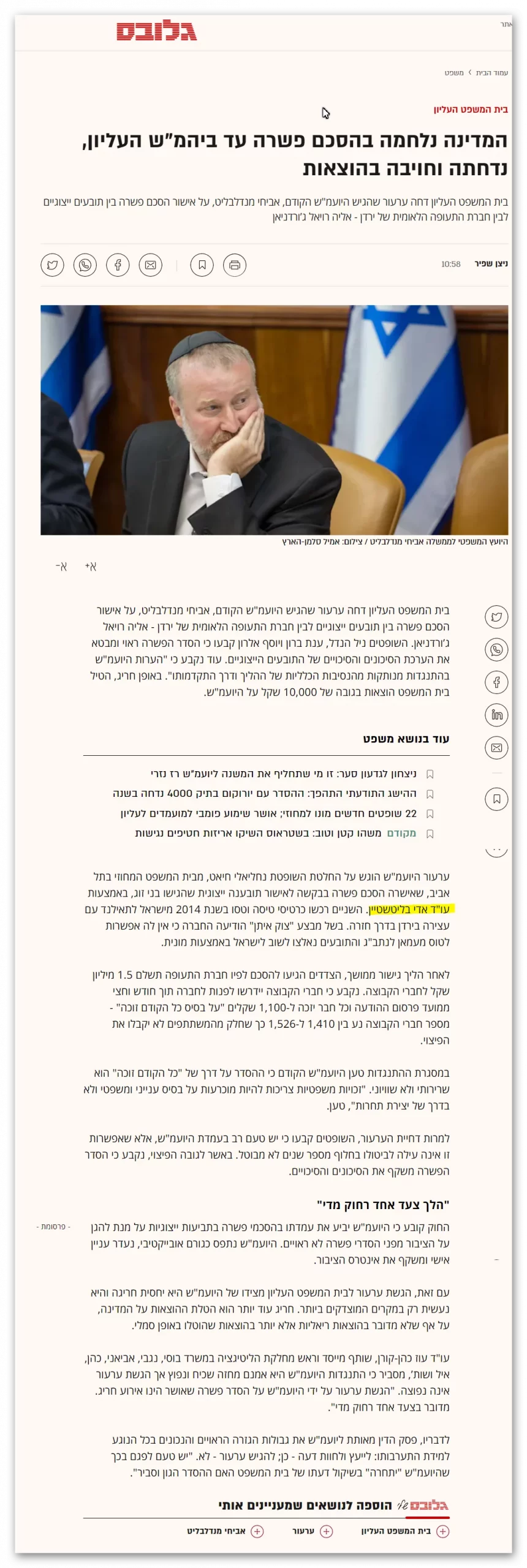
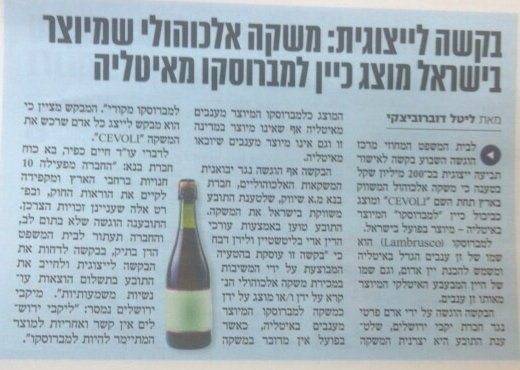
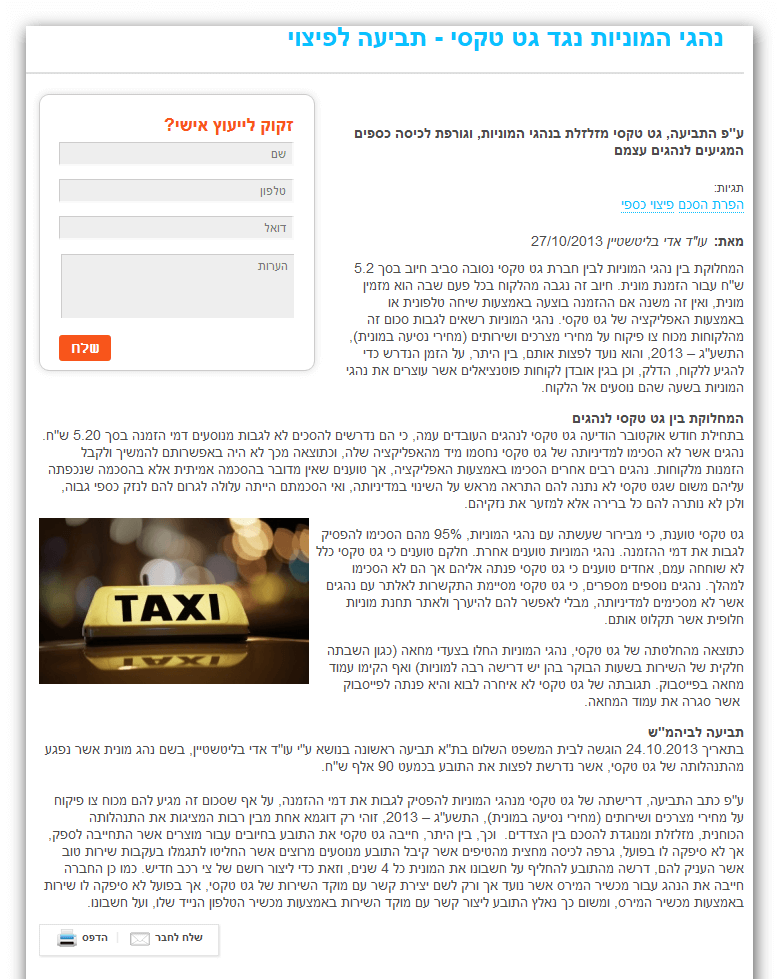
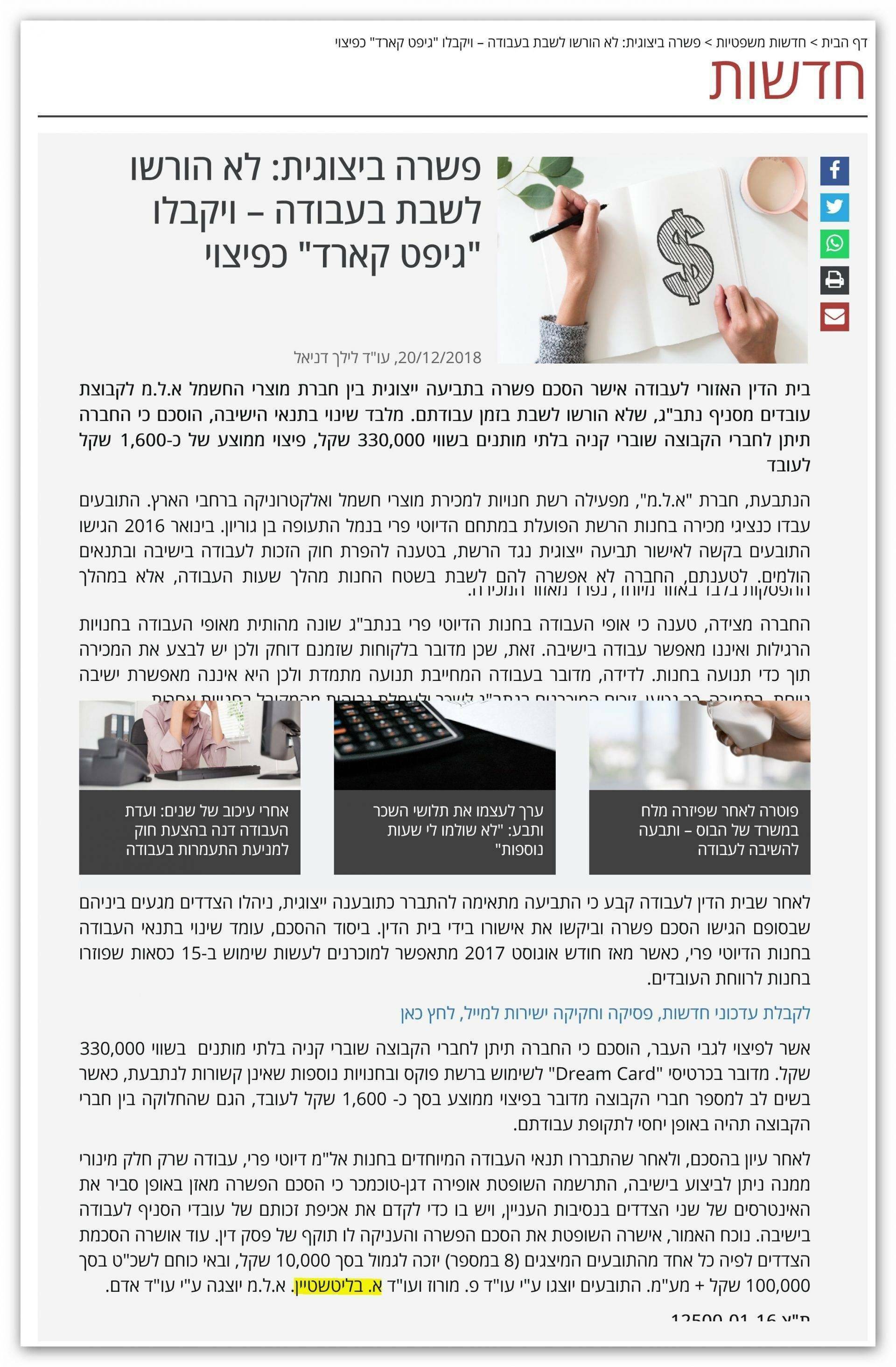
When submitting Lawsuit against a car dealer For violation of the disclosure obligation required under Claim Two main remedies: cancellation of the transaction, and financial relief (financial compensation and reimbursement of legal costs). Within the framework Complaint against a car dealer צריכים לציין סעדים אלה בצורה ברורה ומפורשת. תוכלו לראות דוגמה לדרישה כזאת בכתב תביעה שהוגש על ידי עורך דין אדי בליטשטיין נגד חברת לוין מוטורס.
Transaction cancellation
Contrary to popular belief, it is possible to demand Canceling a used car transaction Even after a transfer of ownership has been made, and in certain cases, it is possible to demand Canceling a transaction even after years have passedIn most cases, the court will grant a request to cancel a transaction if it turns out that the vehicle being sold is Legally lost vehicle (or A complete loss according to the law.) or past An accident that was not disclosed to the buyer.
In the context of canceling a transaction, the vehicle purchaser may demand the full payment paid to the vehicle dealer. In this matter, the judges are divided into two different approaches: 1. According to the first approach, the judges believe that the full amount paid to the vehicle dealer for the vehicle should be returned to the purchaser; 2. According to the second approach, the judges believe that appropriate usage fees should be deducted from the value of the vehicle because the vehicle owner used the vehicle until his claim was decided (a period of time that could be longer than a year).
Financial compensation and reimbursement of legal expenses
A vehicle dealer's breach of their duty of disclosure will certainly cause the customer financial damages. These damages are a result of Breach of contract On the part of the car dealer. Breach of contract is grounds for a claim for damages.
In addition, you can request Compensation for emotional distress Caused by the vehicle purchaser, who was forced to discover that the car dealer had concealed material details about the vehicle from him.
Since in the vast majority of cases, car dealers will not agree to cancel the transaction before filing a claim, the buyer will be entitled to also demand a refund as part of his claim. Legal expenses (Lawyer's fees, Court fee etc').

Court ruling on the disclosure obligation of a used car dealer
In cases where a vehicle dealer's duty of disclosure has been violated, the following rulings can be used: District Court במסגרת ע"א 299-04-14 אפי ארביב נ' טל מאיה ואח'. מדובר בפסיקה מעניינת מאוד מכיוון שבמקרה זה המוכר גילה בצורה עמומה שהרכב היה מעורב בתאונה ובית המשפט קבע שהגילוי לא היה מספק.
The judgment stated, among other things, as follows:
Chapter 2 of חוק החוזים (חלק כללי), תשל"ג-1973 (below: "חוק החוזים") מסדיר את האפשרות לביטול חוזה עקב פגם בכריתתו. אחת מן העילות הינה עילת "ההטעיה" המצויה בסעיף 15 לחוק האמור:
A person who entered into a contract due to a mistake resulting from a deception by the other party or someone else on his behalf may cancel the contract; for this purpose, 'deception' - including the failure to disclose facts which by law, custom or circumstances the other party should have disclosed
בסעיף זה מבקש המחוקק לאזן בין הצורך לניהול מסחר ללא עכבות בין שני אנשים החפצים בכך, לבין הצורך בניהול סחר הוגן. כך מחד, מחייב חוק החוזים חובת גילוי עובדות בהקשר לעסקה, אך מאידך לא כל עובדה מחייבת גילוי, אלא רק מקום בו קיימת חובת גילוי לפי דין, נוהג או לפי הנסיבות. לעניין הגדרת המונח "טעות", סעיף 14(ד) לחוק החוזים מפרש "טעות, לענין סעיף זה וסעיף 15 – בין בעובדה ובין בחוק, להוציא טעות שאינה אלא בכדאיות העסקה"An error in the feasibility of the transaction, as distinguished from an error in fact or law, since the other party could have examined it before choosing to enter into it, he can only make claims against himself if he did choose to enter into the transaction.
On the other hand, in the case of an error in fact that the first party knew about and was under a duty to disclose, the other party entered into the transaction based on certain facts, while in fact, the works are completely different; therefore, the other party is under a duty to disclose these facts, in order to bring about a situation of fair and good faith negotiations.
הוראות סעיף 15 לחוק החוזים מעגנות את חובת הגילוי של עובדות מקום שלפי הדין, הנוהג או הנסיבות יש חובה לגלותן. מקור הרלוונטי לענייננו לחובת גילוי על פי דין יש למצוא בחוק המכר, תשכ"ח-1968 (להלן: "חוק המכר"), המגדיר את חיובי המוכר בעת ביצוע עסקה בינו לבין הקונה. פערי הכוחות והמידע המצויים בין מוכר הרגיל ומכיר בסחורתו לבין הקונה, מקימים למוכר חובת גילוי מוגברת מעבר לחובת הגילוי המוטלת על שני צדדים רגילים לחוזה. כן מגדיר חוק המכר מקרים בהם לא קיים המוכר את חובותיו לקונה כ"אי- התאמה", וביניהם, בסעיף 11(3) לחוק המכר, כאשר המוכר מוסר לקונה "נכס שאין בו האיכות או התכונות הנדרשות לשימושו הרגיל או המסחרי".
…
אוסיף בנקודה זו, כי גם לו תישמע טענת המערער כי לא ידע, הרי שהיה עליו לדעת, היות ואי הידיעה בנסיבות העניין תהווה רשלנות גסה הקרובה ל"עצימת עיניים" (לעניין זה ראו: דניאל פרידמן ונילי כהן, חוזים, כרך ב' 816 (1992)).
…
אכן, לו היה המערער מגלה למשיבות כי הרכב עבר את הפרוצדורה הנדרשת על פי תקנה 309, במהלכה הורד מהכביש וחזר לתיקון, היה בכך כדי למלא את חובת הגילוי המוטלת עליו בכך, שכן בפני המשיבות היה עומד המידע כי הרכב הורד מהכביש וחזר רק לאחר תיקון ואישור משרד התחבורה. ברם, בנסיבות המקרה דנן לא גילה המערער לא את התאונה הקשה אותה עבר הרכב ולא את הפרוצדורה שעבר הרכב לשם חזרתו אל הכביש, והסתפק בכך כי הרכב עבר "תאונת שלדה קשה".
The appellant's statement regarding a serious chassis accident presented the respondents with a false representation as if it were nothing more than a serious accident, while this statement cannot cover the incompatibility that existed in the property in the absence of the quality required for its use. The duty of disclosure in contract law, which is based on the duty of disclosure in law as stipulated in the Sales Law, requires the disclosure of errors in the facts relating to the property being sold; with the scope of disclosure being determined, inter alia, by the law requiring disclosure in situations where the property does not have the quality or features required for its normal use. This duty of disclosure will particularly apply in a situation of seller-buyer relations, in which there are gaps in information in favor of the seller, in which case the seller will be held liable for this with an increased duty of disclosure.
בענייננו, מקובלת עלי קביעת בית המשפט קמא לפיה מוטלת על המוכר חובת הגילוי בדבר התאונה הקשה והכרזתו של הרכב "כאובדן גמור להלכה". גם לו יטען המערער כי כלל לא ידע על קיום הפרוצדורה לפי תקנה 309 וקבלת תעודת התקינות, אין בכך כדי לאיין את חובת הגילוי המוטלת עליו באשר לתאונה הקשה שעבר הרכב והכרזתו כאובדן גמור להלכה, ולפיכך הפר המערער את חובת הגילוי וקמה למשיבות הזכות לביטול החוזה בעילת ההטעיה בהתאם לסעיף 15 לחוק החוזים.
Since I have determined that the appellant violated the duty of disclosure against the respondents, the respondents have the right to cancel the contract due to the reason for the deception, and there is no need to rely on the appraiser's opinion and his findings regarding the condition of the vehicle.

In conclusion
A vehicle dealer's duty of disclosure is an enhanced duty of disclosure. In order to meet this duty, the vehicle dealer must comply with the provisions of the Used Vehicle Sales Law and provide the vehicle purchaser not only with a purchase agreement but also with a proper disclosure form.
A vehicle dealer's duty of disclosure cannot exist if it is only an oral disclosure, because this creates uncertainty and leaves room for disputes, and in any case is not consistent with the provisions of the law and case law.
In the event of a vehicle dealer's breach of the duty of disclosure, the purchaser may demand cancellation of the transaction, financial compensation, and reimbursement of legal costs. The court will grant the request to cancel the transaction in certain cases even after several years have passed since the date of purchase of the vehicle.