What is a disadvantageous condition in a uniform contract?
In simple, non-legal language, a disadvantageous term in a uniform contract is a term that grants an unfair and unusual advantage to one of the parties, within the framework of a contract agreement intended for a very large group of customers. For example, a contract between a cellular company and its customers is a uniform contract.
In contrast, a contract for the sale of an apartment between two private individuals is not a uniform contract because that contract was prepared specifically for the buyer and the seller, and is not intended to be used by a large group of customers. In such a case, the parties may draft the contract in such a way that one party to the contract receives benefits or conditions that are much better than the other party to the contract, and this will not be considered a disadvantageous condition or conditions.
The issue of disadvantageous terms in a uniform contract is regulated by the provisions of the Uniform Contracts Law.
"חוזה אחיד" – נוסח של חוזה שתנאיו, כולם או מקצתם, נקבעו מראש בידי צד אחד כדי שישמשו תנאים לחוזים רבים בינו לבין אנשים בלתי מסויימים במספרם או בזהותם;
This law also defines a number of presumptions that determine what is considered to be a disadvantageous term in a uniform contract. In this regard, Section 4 of the law states as follows:
(1) A term that exempts the supplier, in whole or in part, from liability that would have been imposed on him by law but for that term, or that unreasonably restricts the liability that would have been imposed on him by virtue of the contract but for that term;
(2) A term that gives the supplier an unreasonable right to cancel, suspend or postpone the performance of the contract, or to vary its material obligations under the contract;
(3) A condition that gives the supplier the right to transfer its liability to a third party;
(4) A condition that grants the supplier the right to determine or change, at its sole discretion, and after the conclusion of the contract, a price or other material charges imposed on the customer, unless the change results from factors beyond the supplier's control;
(5) A term that unreasonably requires the customer to rely on another supplier or person, or that otherwise restricts the customer's freedom to contract or not to contract with another person;
(6) A term that denies or restricts a right or remedy available to the customer at law, or that unreasonably restricts a right or remedy available to him under the contract, or imposes them on notice in an unreasonable manner or within an unreasonable time, or on any other unreasonable requirement;
(6a) A term that unreasonably grants the supplier a remedy that is not available to him by law, including a term that permits the supplier to include remedies that are not legally permitted or a term that stipulates agreed compensation that is not reasonable in favor of the supplier;
(7) A condition that places the burden of proof on the customer, and but for that condition, this burden would not have been placed on him;
(8) A term that denies or limits the customer's right to raise certain claims in legal proceedings, or that states that any dispute between the supplier and the customer will be resolved by arbitration;
(9) Conditions of waiting for a legal provision regarding a place of jurisdiction or which grants the supplier an exclusive right to choose the place of jurisdiction or arbitration in which a dispute will be resolved;
(10) A condition determining the submission of a dispute to arbitration where the supplier has greater influence than the customer over the terms of the arbitration, including the determination of the arbitrator, the place of arbitration, the conditions under which the arbitration will be conducted, the manner of conducting the arbitration and the rules of procedure in the arbitration, and all this even if the supplier has proven that the submission of the dispute to arbitration in itself as stated in paragraph (8) is not prejudicial.
(11) A condition that establishes the linkage of a price or other payment, according to the contract, to some index, so that a decrease or increase in the index will not benefit the customer.
(12) A condition under which the customer is required to confirm or declare that he has read the contract, or a condition in which the customer declares an act he has done, his awareness of a particular matter, or a fact that exists in his case, or confirms it, all with the exception of information that the customer provided to the supplier in the contract.
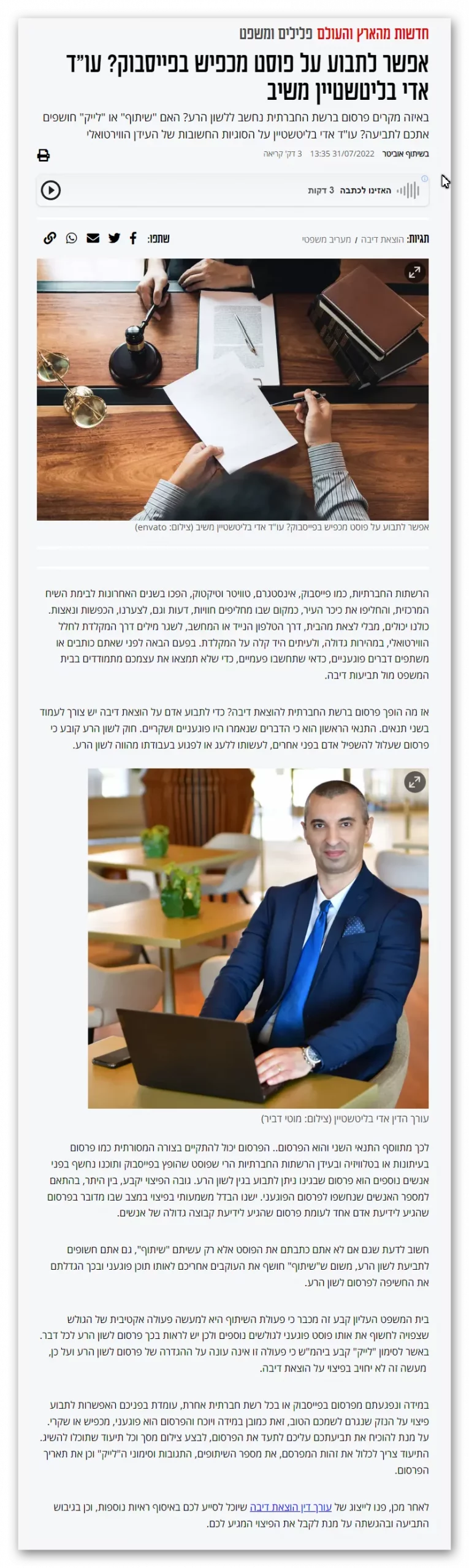
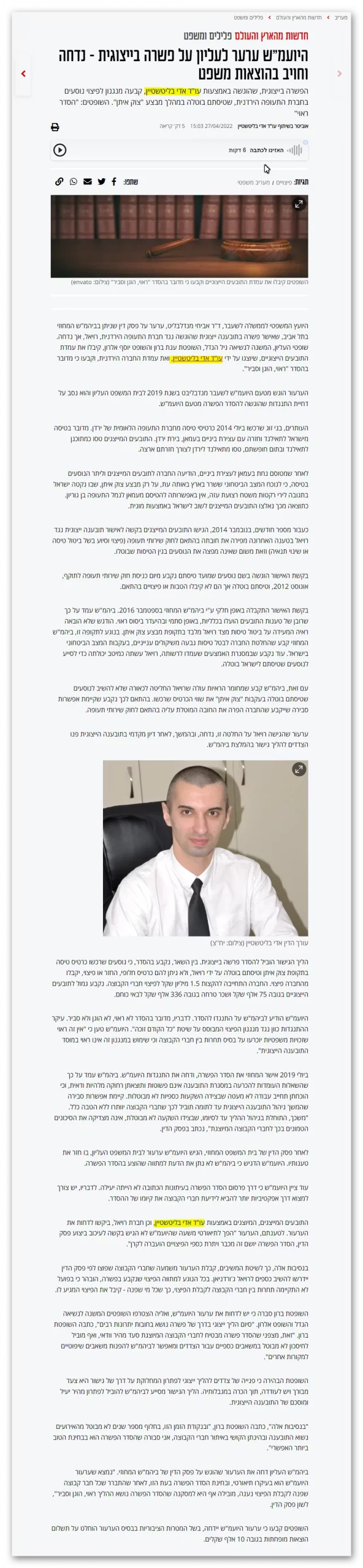
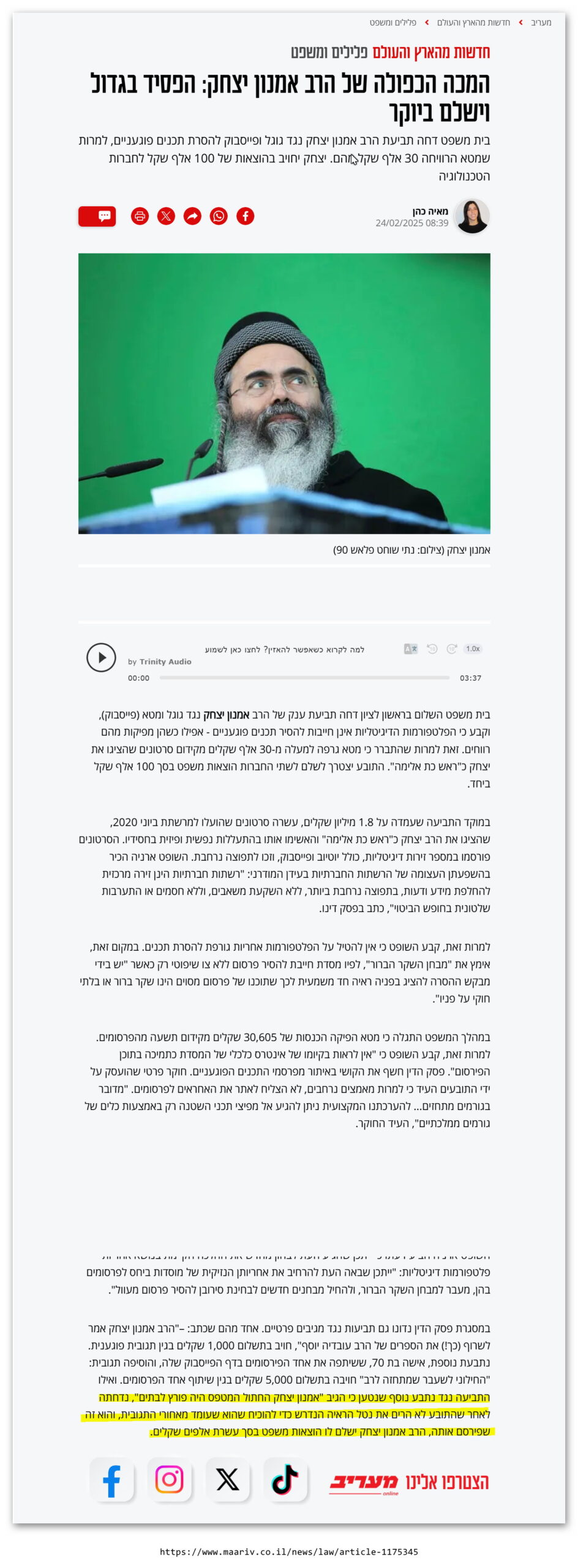
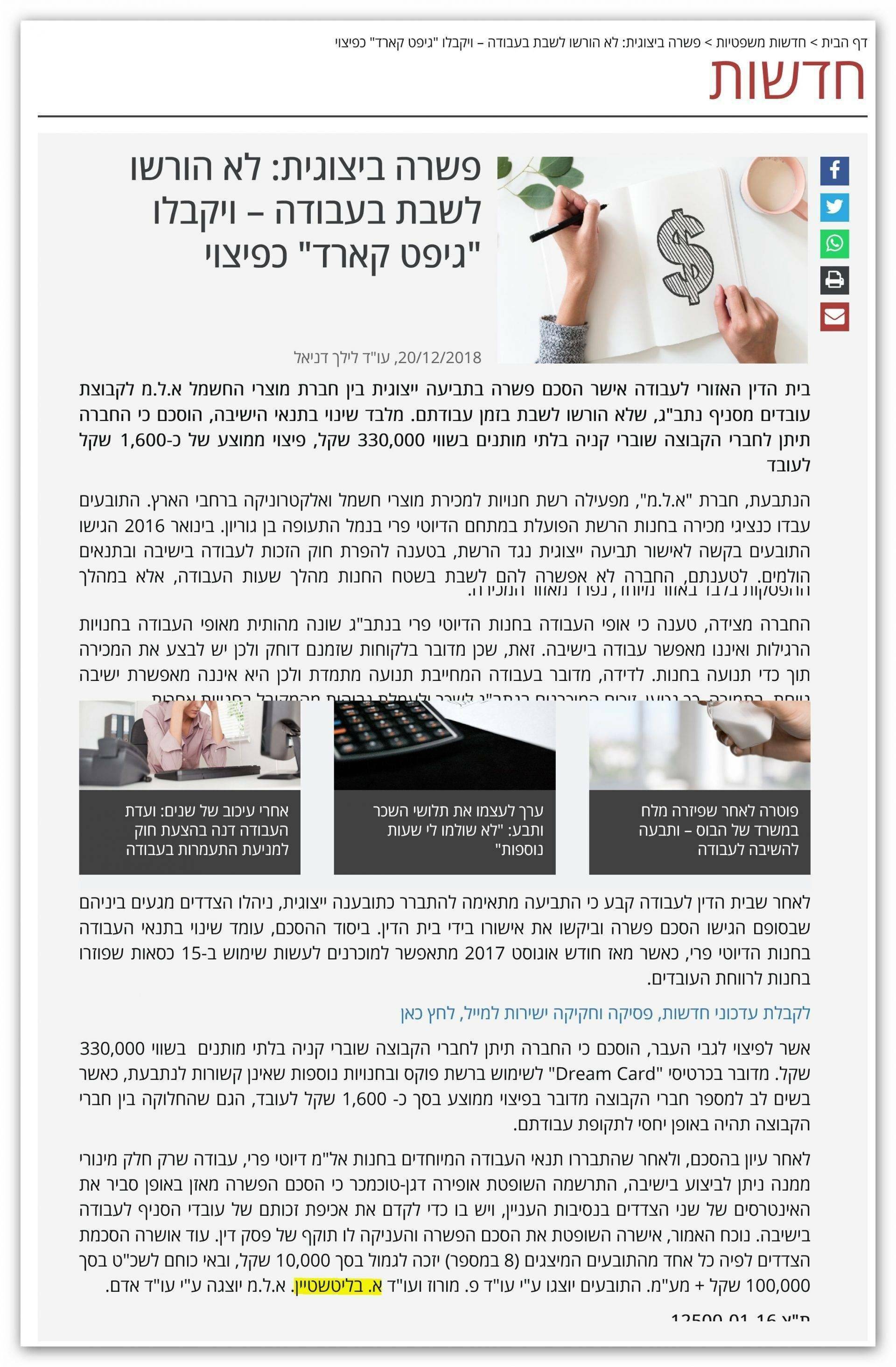
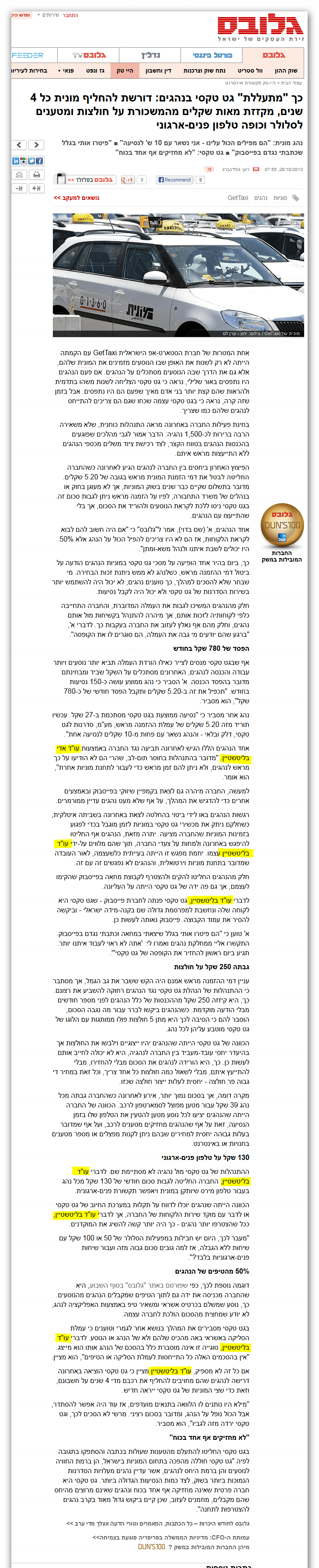
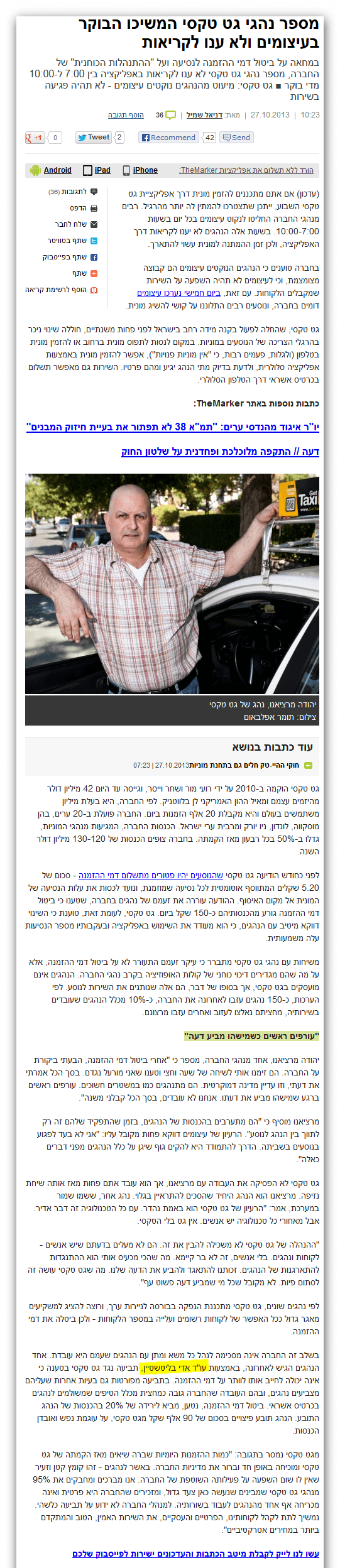
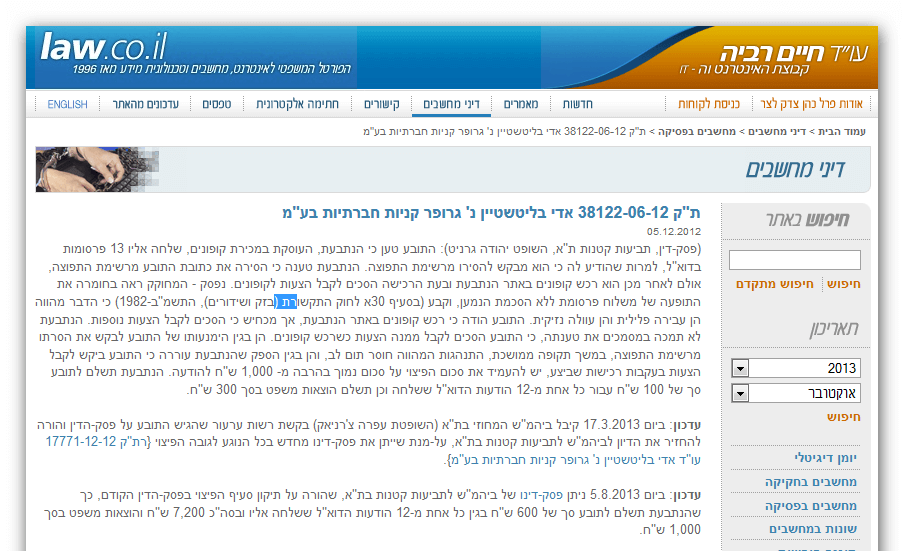
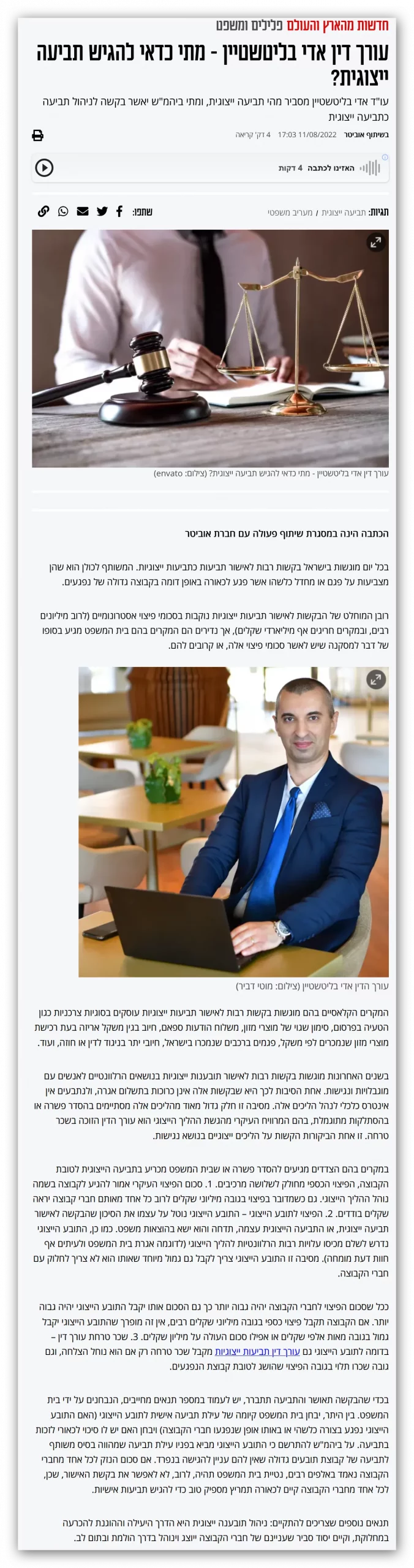
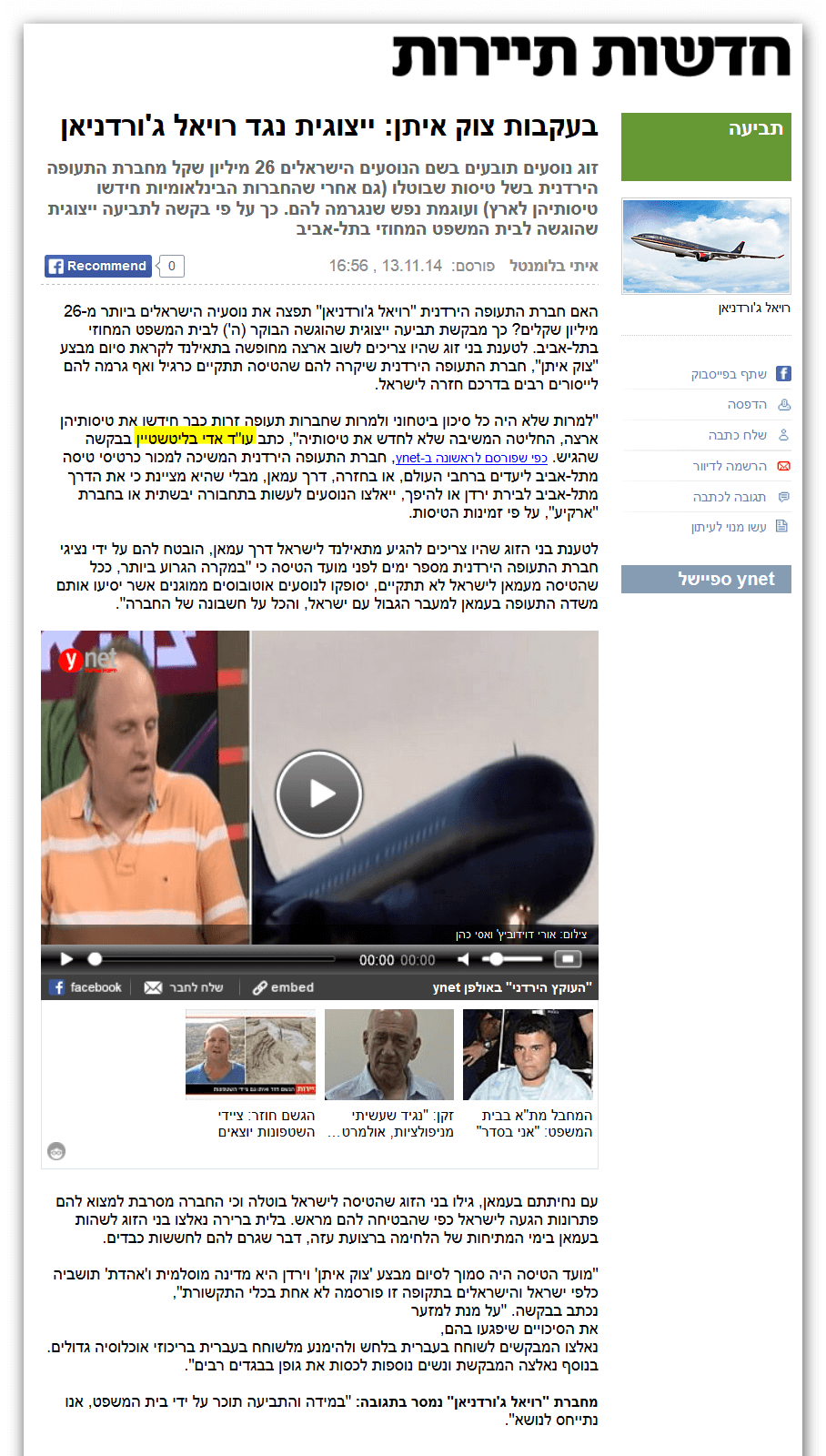
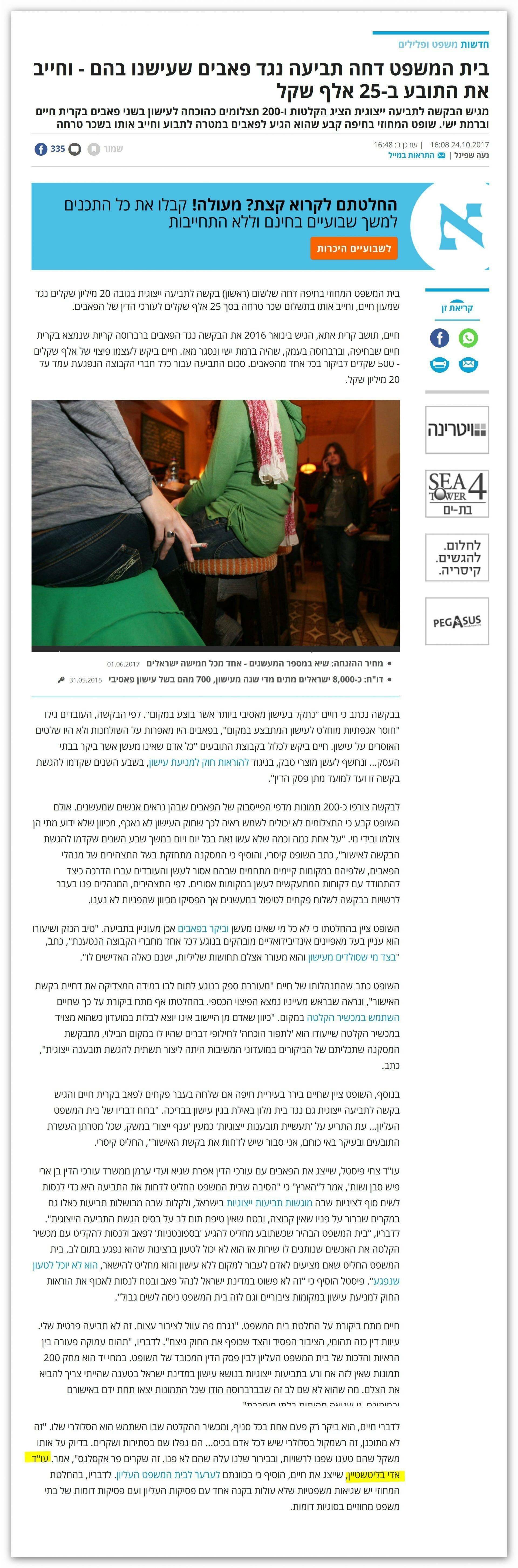
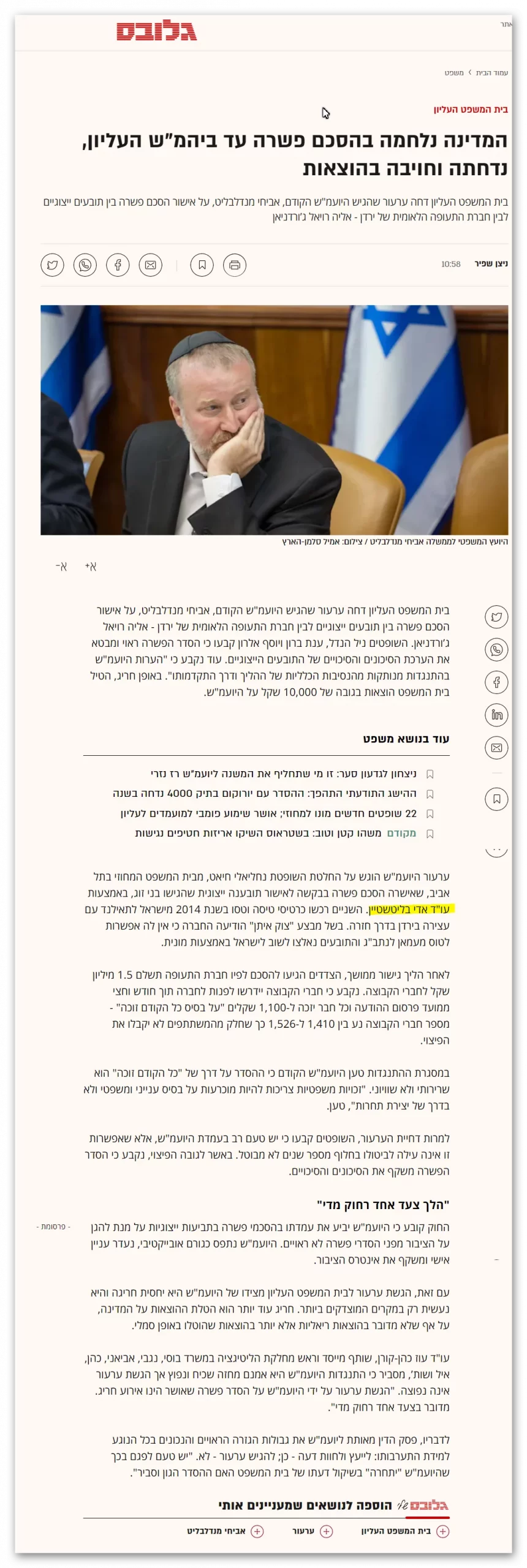
Contract lawyer Eddie Blitstein explains a disadvantageous condition in a uniform contract
Section 5 of the Uniform Contracts Law also refers to a situation in which there is a disadvantageous term that limits the right of a party to the contract to resort to legal proceedings - in these cases it is determined that this disadvantageous term is void.
Section 5 of the law states:
(A) A condition in a uniform contract that denies or limits the customer's right to seek legal recourse – void.
(on) A condition in a uniform contract that exempts the supplier, in whole or in part, from liability for bodily injury or malicious act imposed on him by law – void.
It is important to know that the court has the authority to intervene in any disadvantageous condition, to cancel it completely or to change it so that the disadvantage is removed. This matter is stipulated in Section 3 of the law, which states as follows:
A court and tribunal will annul or amend, in accordance with the provisions of this law, a term in a uniform contract that contains – taking into account all of the terms of the contract and other circumstances – a disadvantage for customers or an unfair advantage for the supplier that may lead to a disadvantage for customers (hereinafter – a disadvantageous term).
The court may modify or completely cancel any disadvantageous term in a uniform contract.
Supreme Court ruling on disadvantageous conditions
Claims regarding disadvantageous terms in standard contracts are very common claims in Israel because there are many companies in the Israeli economy that contract using standard contracts with many customers. Class action lawsuit This is one of the procedures that can be taken against a company regarding disadvantageous terms, and indeed many rulings regarding disadvantageous terms are issued by the courts specifically in this type of procedure.
דוגמה לפסיקת בית המשפט העליון בעניין תנאים מקפחים ניתן למצוא ברע"א 1901/20 טרוים מילר בע"מ נ' Facebook Ireland Limited (פסק דין מיום 26.7.2022), בו נקבע, בין היתר, כך:
To summarize. A uniform contract is, as its name suggests, a contract whose terms have been dictated in advance by a supplier to an undefined group of customers, who have the choice of whether to accept the terms as they are or to forgo the deal altogether. The justifications for interfering with the parties' freedom of contract lie in the power gaps – and to a lesser extent, the information gaps – that exist between them. (ראו, למשל, אריאל פורת "חוזים אחידים" דניאל פרידמן ונילי כהן חוזים כרך ג 729, 734-739 (2003) (להלן: פורת); שמואל בכר ומשה גלברד "חוק החוזים האחידים: עיון מחודש בעקבות תיקוניו" חוקים ה 19, 25-31 (2013)).
ברם, הצדקות אלה יניעו פעולה ממשית רק כאשר הספק ניצל לרעה את כוחו, ונטל לעצמו יתרון בלתי סביר ובלתי הוגן. או-אז, מתעורר הצורך "להגן על לקוחות מפני תנאים מקפחים", כלשון סעיף המטרה בחוק החוזים האחידים. אולם, אם התנאי מדלג בהצלחה מעל רף הסבירות וההגינות, אין בעצם קיומם של פערים בין הצדדים כדי להביא להתערבות חיצונית בתוכן ההתקשרות ביניהם.
…
In conclusion, the court does not examine the deprivation from the perspective of all customers, nor from the subjective perspective of an individual customer. Rather, it can be said that the examination will be made from the perspective of the customer from the settlement in the shoes of the individual customer.
רכיבי הסבירות וההגינות, שמוזכרים רבות בפסיקה, מעניקים מענה הולם לחשש ש"החלת מבחן סובייקטיבי תפתח פתח לאכיפת רצונו של הפרט על החברה כולה" (ראו, צבי הדר "הביקורת על תוכנם של חוזים אחידים" משפטים יב 140, 152 (1982)) – בעוד אלמנט האינדיווידואליות מאפשר להגשים את תכליתו של חוק החוזים האחידים, ו"להגן על לקוחות מפני תנאים מקפחים בחוזים אחידים" (סעיף 1 לחוק). Indeed, the world of contracts is characterized by a meeting of desires, but in the world of uniform contracts, one must focus on not granting an unfair advantage to the supplier, while exploiting the power gaps that, in practice, erode the free will of the customer.
Need legal advice regarding a disadvantageous term in a uniform contract? Contact Attorney Eddie Blitstein
Frequently Asked Questions Regarding Prejudicial Terms in a Uniform Contract
Is every abusive term in a contract a disadvantageous term?
not. A disadvantageous term, as defined by law, is a term that must appear in a uniform contract and that grants one of the parties to the contract preferential rights that cannot be supplemented. For example: a term that states that one of the parties to the contract is not entitled to file a claim is a disadvantageous term and is subject to annulment.
Read in this article the legal provisions and case law that relate to which terms in a contract may be considered disadvantageous terms.
How can a disadvantageous condition be eliminated in a uniform contract?
You need to file a lawsuit with the court and demand that the court Declaratory judgment According to which the precluding condition is void.
Do I have to file a class action lawsuit to cancel a disadvantageous term in a uniform contract?
not. It is definitely possible to submit Civil lawsuit or Financial claim and demand the cancellation of the restrictive condition. The difference is that in a class action lawsuit, the cancellation of the restrictive condition will apply to a large group of people, and in a non-class action lawsuit, the cancellation of the restrictive condition will apply only to the plaintiff or plaintiffs in that lawsuit.
How long does it take to cancel a disadvantageous condition in a uniform contract?
In order to cancel a disadvantageous term in a uniform contract, you need to file a lawsuit. This is a lawsuit for all intents and purposes and can last for more than a year.
User rating:
5 / 5. 37
No votes so far! Be the first to rate this post.
We are glad to know that the article was helpful to you.
Follow us on social media!
We are sorry that this post was not useful for you!
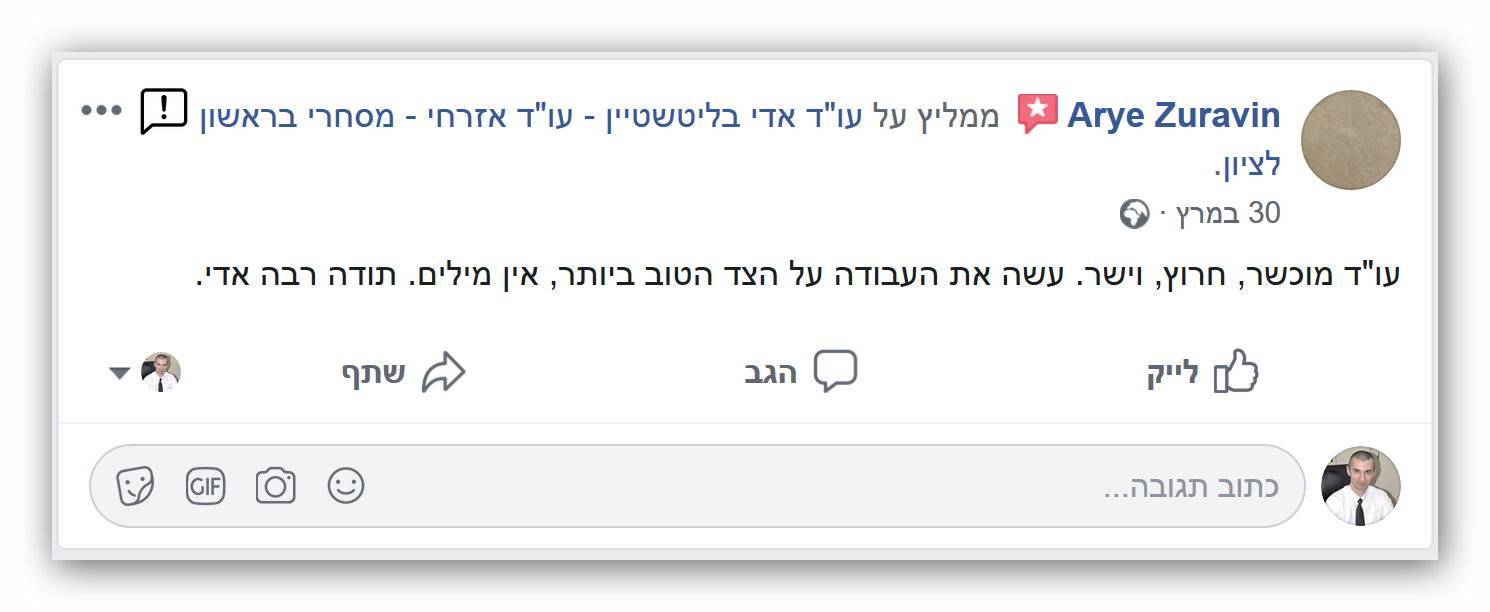
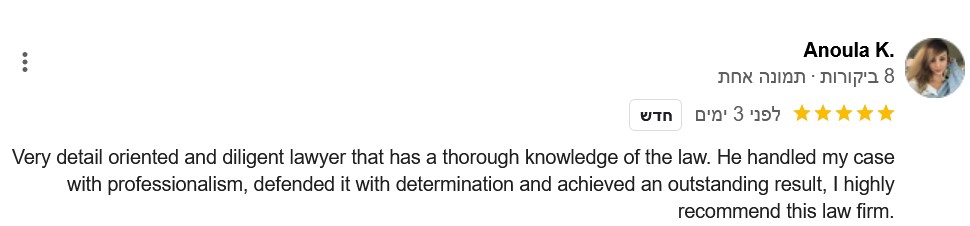
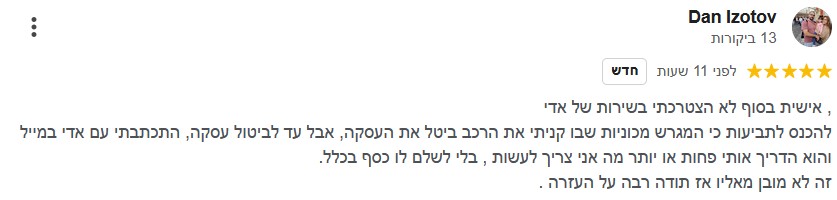
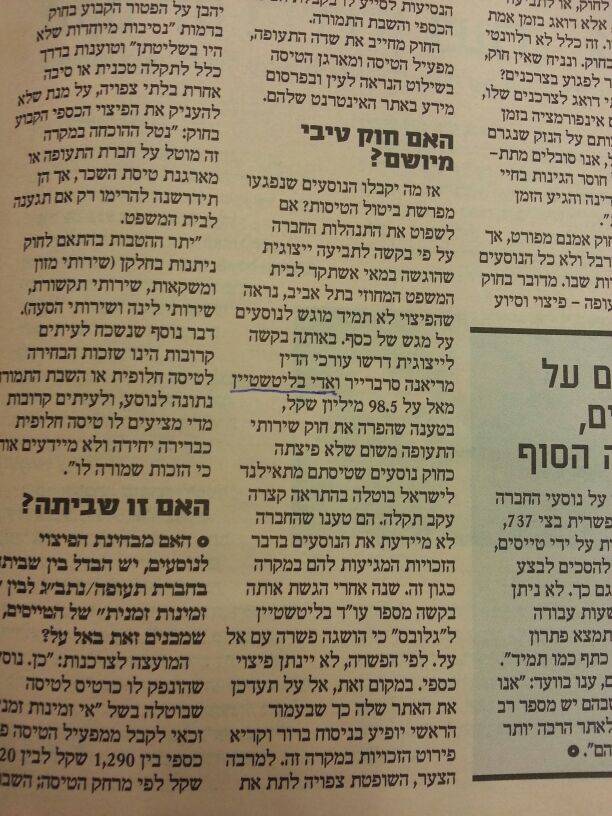
He has extensive experience and proven success in complex civil and financial lawsuits against the most powerful and largest entities in Israel and abroad.
You can read many recommendations from previous clients of the firm and articles about us in the media at the bottom of the page.
Our firm provides the highest level of legal services to companies and individuals, in Hebrew, English and Russian.
Attorney Eddie Blitstein represents plaintiffs and defendants only in claims in amounts exceeding NIS 100,000.
Our office does not accept clients who wish to pay a fee based on percentage or success.