What is a false complaint?
תלונת שווא או תלונה כוזבת היא תלונה שמתארת מציאות לא נכונה או המצאה מוחלטת. מדובר בתלונה בגין אירוע שלא התרחש או אירוע שנופח לחלוטין מכל פרופורציה. בדרך כלל במסגרת תלונת השווא "הנפגע" יטען ש"הפוגע" פגע בו קשות, ולעיתים אף יציג ראיות כוזבות (לדוגמה סימני אלימות שנוצרו על ידי "הנפגע" עצמו במטרה לחזק את טענותיו השקריות כנגד "הפוגע").
For over a decade, our firm has helped many victims of false complaints file claims and win significant financial compensation. If you have been harmed by a false complaint, you are also welcome to contact our firm to examine the chances of success in your case.
מטרתה של תלונה שקרית היא לגרום לצד שלישי לפעול כנגד "הפוגע", משום שה"נפגע" בעצמו אינו יכול להזיק ל"פוגע". אותו צד שלישי יכול להיות משטרת ישראל, גורמי הרווחה, המעסיק וכל גוף נוסף שיש לו השפעה כלשהי על חייו של "הפוגע".
באפשרותו של "הנפגע" לפנות אפילו לבית המשפט ולדרוש קבלת Order to prevent threatening harassment (which will also lead to receiving Removal order) or Protection order (If it is an event that occurred between family members).
תלונת שווא משדרת לסביבה הקרובה והרחוקה של "הפוגע" שמדובר לכאורה באדם "בעייתי", ולעיתים אף אלים. מסרים אלה עשויים לגרום לסביבתו של "הפוגע" להתרחק ממנו, Although there is no basis for that false complaint.
אחת הבעיות העיקריות בהגשת תלונה שקרית מבחינתו של "הפוגע" הוא שעשוי לעבור זמן לא מבוטל עד שאותו גורם שקיבל את התלונה יברר אותה ויגיע למסקנה שאין לה שום בסיס. יתרה מזאת, גם אם הגורם שקיבל את התלונה יגיע למסקנה שאכן מדובר בתלונת שווא, הדבר לא מונע מה"נפגע" להגיש תלונת שווא נוספת לאותו גורם או גורם אחר.

False police complaint
תלונת שווא במשטרה עלולה להוביל לתוצאות הרסניות. אם בצורה כלשהי "הנפגע" ישכנע את Police שה"פוגע" לכאורה מסוכן (לרוב באמצעות זיוף נתונים או עדים שמוסרים עדות שקר) המשטרה יכולה להגיע למסקנה שיש מקום להגיש כתב אישום. בסופו של דבר תלונת שווא כזו עשויה להשאיר את "הפוגע" עם רישום פלילי, על אף שהוא לא עשה דבר.
מעבר לרישום פלילי עשויות להיות לתלונת שווא השלכות חמורות אף יותר בדמות סנקציות פליליות שיכולות להגיע גם למאסר. תלונת שווא במשטרה מצד "הנפגע" מעידה, לרוב, על כוונה ברורה ונבזית לפגוע ב"פוגע".
A person against whom a false police complaint has been filed must insist that the complaint be closed. Lack of guilt בסיום החקירה. סיבת הסגירה "חוסר אשמה" מעידה כי משטרת ישראל בדקה את התלונה ומצאה שאין לה בסיס. לסיבת סגירת התלונה עשויה להיות השפעה מכרעת על סיכויי Civil lawsuit נגד "הנפגע" בגין הגשת תלונת השווא, ולכן אל תסתפקו בסיבת סגירה כמו חוסר ראיות או חוסר עניין לציבור. סיבות סגירה אלה משאירות ספק שייתכן ואין מדובר בתלונת סרק.
False complaint for domestic violence
In many cases, a false complaint of domestic violence will be filed by a woman who is considering or has already filed for divorce. Sometimes the recommendation to file a false complaint with the police or other authorities will come from the lawyer representing the woman (this is misconduct in itself).
בין היתר, מטרתה של תלונת שווא בגין אלימות במשפחה היא להפעיל לחץ על "הפוגע" להסכים לדרישות "הנפגע". אם נחזור לדוגמת הליכי הגירושין, מטרתה של תלונת שווא בגין אלימות במשפחה תהיה לגרום לגבר להסכים לדרישות האישה. יתכן שתהיה זו דרישה לחלוקת הרכוש/כספים בצורה שתשרת את האישה או דרישה לעזוב את הבית באופן מיידי.
תלונת שווא בגין אלימות במשפחה תוזכר בכל הזדמנות אפשרית בפני השופט שידון בטענות הצדדים. בחלק לא מבוטל מהמקרים השופט לא ידע שאכן מדוב בתלונת שווא, לפחות עד שתהיה הכרעה בעניין זה על ידי הגורם המטפל באותה תלונה (לדוגמה משטרת ישראל). מטרת האיזכורים הרבים של תלונות שווא בפני השופט שדן בתיק היא לגרום לשופט לגלות אמפתיה רבה יותר כלפי ה"נפגע" או "הנפגעת", על מנת שיפסוק לטובת אותו צד.
False complaint in the workplace
A false complaint in the workplace can come from another employee in the workplace (for example, a false complaint regarding Sexual harassment), and can also come from a source that is not at all related to the workplace (for example: a person who does not work at the workplace but claims that the person against whom the complaint is filed stole money from the workplace).
In most cases, the purpose of a false complaint in the workplace is to harm the person being complained about. The harm does not have to be in the form of dismissal from the workplace. This harm can also be expressed in preventing the employee from being promoted or transferred to another position or to a lower rank.
Sometimes a false complaint comes from another employee who is interested in taking the position of the person they are complaining about. In those cases, the complaint may be filed anonymously with the employer.
How do you deal with a false complaint?
Dealing with a false complaint can be a difficult task. The person against whom such a complaint was filed must divide the process into two phases: 1. Addressing the allegations in the complaint and proving that it is a false complaint. 2. Demanding compensation from the person who filed the complaint.
Presenting data indicating that this is a false complaint
Whether a false complaint was filed with the police, with an employer, or with another party, the person against whom the complaint was filed will usually be summoned for questioning. In cases where you are being questioned by the police, it is very advisable to consult with a criminal law attorney. You can't be too careful when you go to the police station, and sometimes even innocent people find themselves in handcuffs at the end of the interrogation and are being led to a detention cell.
If you still decide to handle it yourself, try to find out during the phone call, and even before you reach the person who received the complaint, what exactly it is about. They won't always give you the information over the phone, but still try to find out in order to prepare for the meeting, and prepare relevant data or witnesses.
אם נטען כנגדכם שפעלתם באלימות כלפי אדם כלשהו, תשאלו באיזה תאריך מדובר, היכן ואיזה ראיות יש לכך שאכן פעלתם לכאורה באלימות. במצב שבו הוגשה תלונת שווא בגין אלימות לא יהיה בידי המשטרה או גורם אחר סרטון שמציג איך אתם נוקטים באלימות, אך יתכן שיהיו בידי המשטרה תמונות של "הנפגע" עם סימני אלימות. סימני האלימות כמובן שאינם מעידים שאתם אחראים להם.
If you were given the details of the event and at that time you were not present at all at the place where you were claimed to have been, you will present to the police witnesses who can testify that you were with them at that time.
ישנם מקרים בהם לאדם נגדו הוגשה תלונת שווא יש הקלטה של שיחה או התכתבות וואטסאפ/דוא"ל בינו לבין האדם אשר הגיש את התלונה, בה אומר המתלונן בצורה מפורשת שבכוונתו להגיש תלונת שווא. במקרים אלה תציגו נתונים אלה באופן מיידי.
Filing a lawsuit for filing a false complaint
A false complaint, especially when it is made to a party other than the person against whom the complaint was filed, constitutes defamation.
Defamation is defined in the Defamation Law as follows:
Defamation is something whose publication may –
(1) To humiliate a person in the eyes of others or make him a target of their hatred, contempt, or ridicule;
(2) To denigrate a person due to actions, behavior, or attributes attributed to him/her;
(3) To harm a person in his position, whether a public office or another position, in his business, occupation or profession;
(4) To demean a person because of their race, origin, religion, place of residence, age, gender, sexual orientation or disability;
תלונת שווא אכן נכנסת במסגרת סעיפים אלה. ברובם המוחלט של המקרים לא יהיה קושי להוכיח שהוגשה תלונת שווא במטרה לפגוע, ולכן התובע יוכל להגיש תביעת לשון הרע ולדרוש פיצוי כספי בסך כ-144 אלף ש"ח Without proof of damageIf any damages were caused as a result of the false complaint, they can be addressed within the framework of The statement of claim Then the amount of compensation required may be much higher. In these cases, you should consult with Defamation lawyer Even before filing the lawsuit.
Before you rush to file a defamation lawsuit, it is also important to be familiar with the defense in the Defamation Law, which sometimes also protects a false complaint. This defense is set forth in Section 15(8) of the law, which states:
In a criminal or civil lawsuit for defamation, this would be a good defense. If the accused or defendant made the publication in good faith In one of these circumstances:
8. The publication was in the filing of a complaint about the injured party in a matter where the person to whom the complaint was filed is in charge of the injured party, by virtue of law or contract, or a complaint that was filed with the authority authorized to receive complaints about the injured party or to investigate a matter that is the subject of the complaint, but this provision does not provide protection for other publication of the complaint, the fact that it was filed, or its content;
This section provides almost complete protection for those complaints that are filed in good faith only to the person in charge of the person being complained about or to an authorized investigative body. The purpose of this section is not to cause a chilling effect in which people are afraid to file complaints with the police or other bodies, because they know that if their complaint is closed, defamation lawsuits will be filed against them. This is an undesirable and inappropriate result from the public's perspective.
The protection of this section will not apply, for example, when a false complaint is filed by the woman regarding domestic violence to her partner's workplace or friends.
דוגמה לפסק דין אשר העניק הגנה לנתבע על אף שהוגשה תלונת שווא (רת"ק 53324-03-20 בלה גרשביין נ' דורית אזרד, פסק דין מיום 28.4.2021):
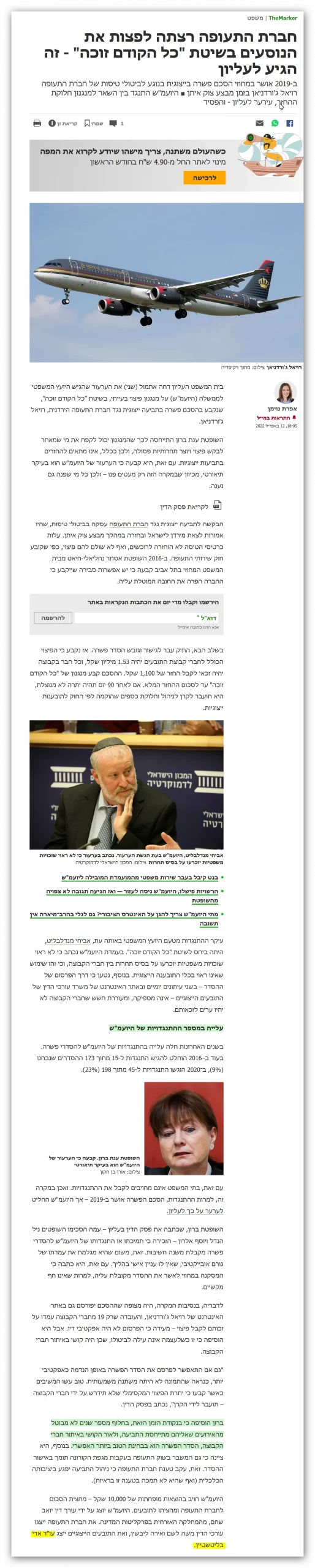
As stated, the court denied the defense of good faith, because the complaint included facts that were not true, and unfortunately, were not examined and not proven. In drawing conclusions that were defamatory from these facts, according to the trial court, the applicant violated the principle of reasonableness stated in section 16(a) of the law. Therefore, it was determined that the applicant does not have the defense under section 15(8) of the law. This is despite the fact that the applicant subjectively believes in the content of the complaint.
In my opinion, this statement contradicts the law established in the case Reimer לפיה "את המושג תום-לב בהקשר להגנה שבסעיף 15(8) לחוק איסור לשון הרע יש לפרש כמתייחס לאמונת המפרסם באמיתות הפרסום. When the complainant believes the truth of his complaint, he will be protected. In section 15(8), לחוק אפילו התלונה הוגשה על-ידיו מתוך רצון לפגוע" (ההדגשה נוספה – א"א).
You went. Reimer, המבחינה בין משמעויות שונות של מושג "תום לב" בהקשרים שונים של חוק איסור לשון הרע, עדיין עומדת בתוקפה, גם כעבור 40 שנה. כך לדוגמה, עמדה הלכה זו במרכז מחלוקת על Good faith בתלונה למשטרה, במסגרת ע"א 7426/14 So-and-so v. Daniel (14.3.16) (See paragraph 69 of Judge Amit's opinion compared to paragraph 36 of Judge Barak-Erez's opinion).
From the entirety of the case law, it appears that the rule is that a person who filed a complaint with an authorized entity will benefit from the protection of good faith if he subjectively believed in the content of the complaint, even if it turns out that the complaint is not genuine.. אם כי נאמר, כי אף אם יש אמונה סובייקטיבית בתלונה, אפשר שתישלל הגנת תום הלב במקרים חריגים אחרים, כגון אם המתלונן מפריז בתלונתו הפרזה רבה (ע"א 7699/11 Flexer v. Brands (25.12.13).
In this context, Justice Amit (in the case of So-and-so v. Daniel) הציע גישה פרשנית המוצאת איזון בין אמונה סובייקטיבית לבין סבירות החשד, אך לא פירט. בבע"מ 1620/17 So-and-so vs. So-and-so (14.3.16), אישר השופט מזוז את קביעת בית המשפט המחוזי בירושלים, אשר שלל הגנת תום לב, כאשר התלונה הוגשה "באופן ובהיקף" חריגים, כאשר התלונה הופנתה לא רק לגורמים מוסמכים אלא גם ל"מכריה ושכניה" של התובעת דהתם.
In any case, in my opinion, the Small Claims Court ruling, which denied the defense of good faith because there is no truth in the complaint and because it was not thoroughly examined before it was filed, certainly does not align well with the case law. In our case, the applicant contacted the appropriate party in the complaint, the accusation against the respondent was refuted, but the applicant believed her complaint. In the complaint, the applicant explained the matter in brief words, and attached documents that she believed were sufficient to prove the claim. The complaint was not distributed by the applicant to any other party, and the scope of the complaint was not unusual.
The court found it unreasonable that the applicant wrote not only facts but also conclusions, but I do not find that there is a flaw in the fact that the person filing a complaint explains why he thinks that the facts he presents lead to the conclusion he proposes. Exaggeration in the requirements for reasonableness of the wording and content is not suitable for protection under this section, which also protects the ordinary complainant, who is not familiar with the processions of legal drafting. Moreover, the complaint itself is really not formulated in unusually offensive or extreme language, even though the content is serious enough to amount to defamation.
לטעמי, שלילת הגנת תום הלב במקרה כזה, בו המבקשת מאמינה בכנות שהמשיבה היא אכן עובדת ציבור אשר פעלה שלא כהוגן, עלולה ליצור "אפקט צינון", וחשש של האזרח מלקבול על שחיתות, כפי שצוין גם בפרשת פלונית נ' דניאל.
In conclusion, it is to be welcomed that it was found that there was no substance to the complaint, and that it was determined that there was no defect in the respondent's conduct. However, according to the ruling, the Defamation Law, in section 15(8), protects anyone who sincerely suspects and files an unfounded complaint, within a reasonable scope, to the appropriate authority. This is so even if he acts with an offensive motive, as stated in the ruling. ReimerTherefore, this protection also applies to the applicant.
In contrast to this ruling, it is easy to find rulings that award financial compensation for filing a false complaint.
בעניין זה נפסק בת"א 1933-02-19 אייל מילר נ' שאדי אבו סאלח (פסק דין מיום 19.12.2021), כך:
ההגנה בסעיף 15(8) שייכת לקבוצת ההגנות הנוגעת למצבים בהם היתה קיימת חובה מסוג כלשהו לעשות את הפרסום וכן, למצבים בהן היה עניין אישי כשר של אדם כלשהו, שהצדיק את עשיית הפרסום. נתבע יהנה מההגנות המפורטות בסעיף 15 בכלל ובסעיף 15(8) בפרט, בהתקיים שני תנאים מצטברים. האחד – הוא עשה את הפרסום באחת הנסיבות המפורטות בסעיפים הנ"ל והשני – כי עשה את הפרסום בתום לב (א. שנהר, לעיל, בעמ' 250 וכן, ע"א 184/89 טריגמן נגד טיולי הגליל (רכב) בע"מ ואח' [פורסם בנבו] (31.12.1989)). מן הסתם, הפרסום גם צריך להיות אמת.
The protection provided for in Section 15(8) of the Law applies in two cases where the advertiser has filed a complaint against the injured party. In the first case, the protection will apply when the complaint is filed with the person in charge of the injured party, by virtue of law or contract, and is conditional on the content relating to a matter in which a superior-subordinate relationship exists between the recipient of the complaint and the injured party (A. Shenhar, above, p. 301). The second case concerns a complaint filed with the competent authority. This protection is also conditional on the complaint being filed in good faith.
Although the defendant filed a complaint with the Israel Police, which is the authority authorized to investigate the matter that is the subject of the complaint. However, it has been proven that the statements made by the defendant in his complaint are false and that he fabricated an event that did not occur. Therefore, it is clear that the good faith element, which constitutes an cumulative condition for protection under Section 15(8) of the Law, is not met.
הפסיקה קבעה, כי נקיטת אמצעים סבירים על מנת לבדוק אם העובדות שבפרסום נכונות, מהווה תנאי חשוב לתחולת ההגנה בסעיף 15(8) והעדר בדיקה נאותה עשוי לשלול מהמפרסם את ההגנות, גם אם כוונותיו היו טובות ורצויות (ע"א 250/69 הוצאת מודיעין בע"מ ואח' נגד חתוקה, פ"ד כג(2) 135 ע"א 640/85 זיו קופר נגד איגוד המוסכים בישראל, פ"ד מד(1) 594, א. שנהר, לעיל, עמ' 293). על אחת כמה וכמה, נשללת ההגנה ממי שבדה את הארוע נשוא תלונתו.
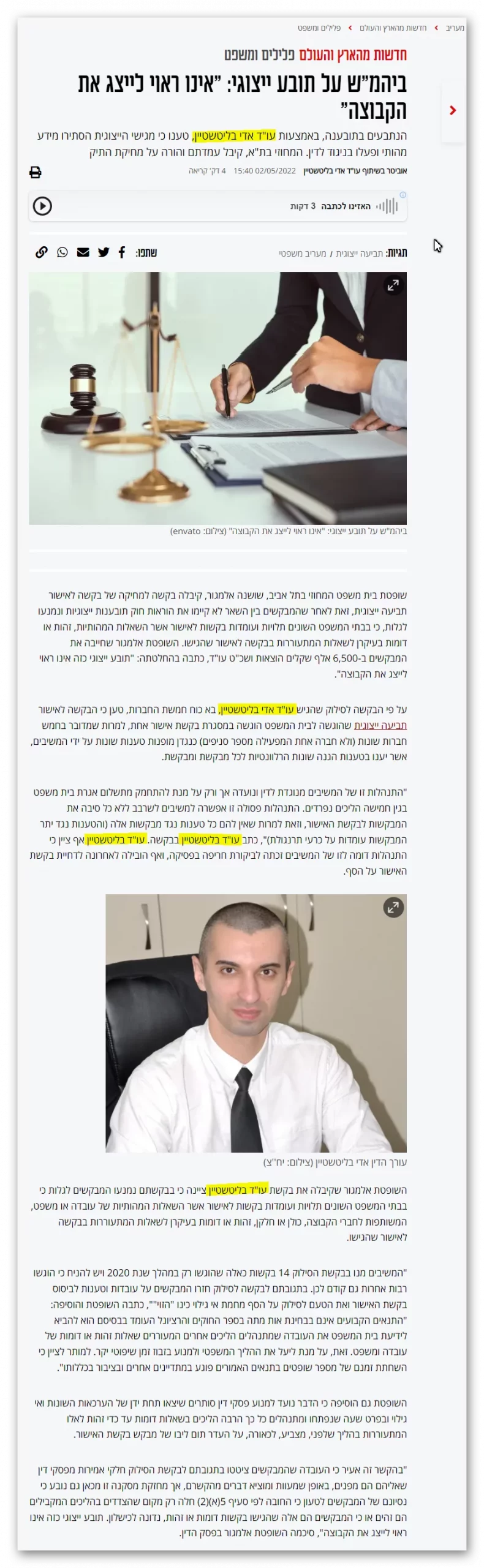
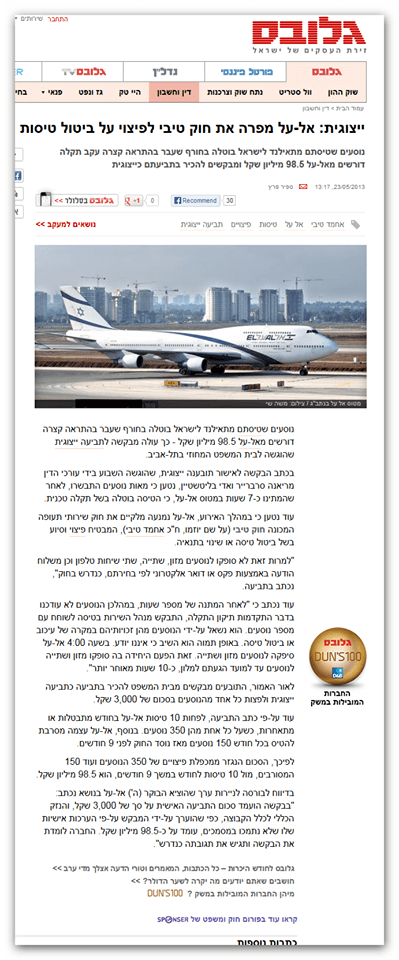
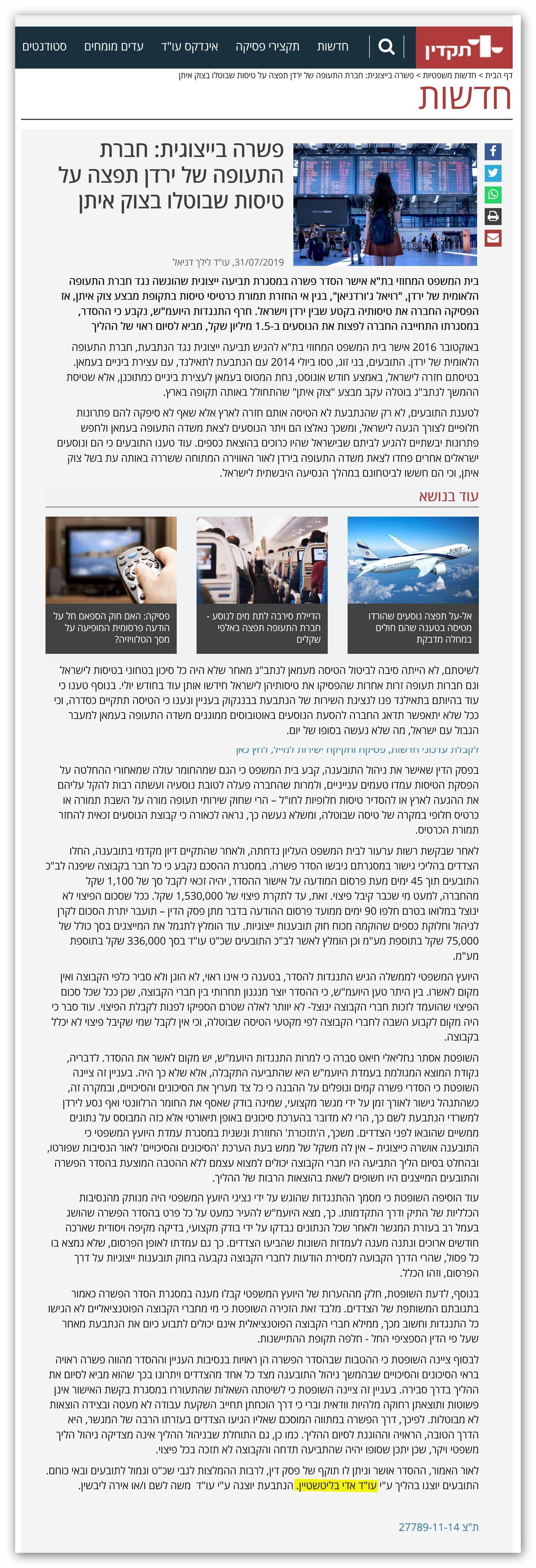
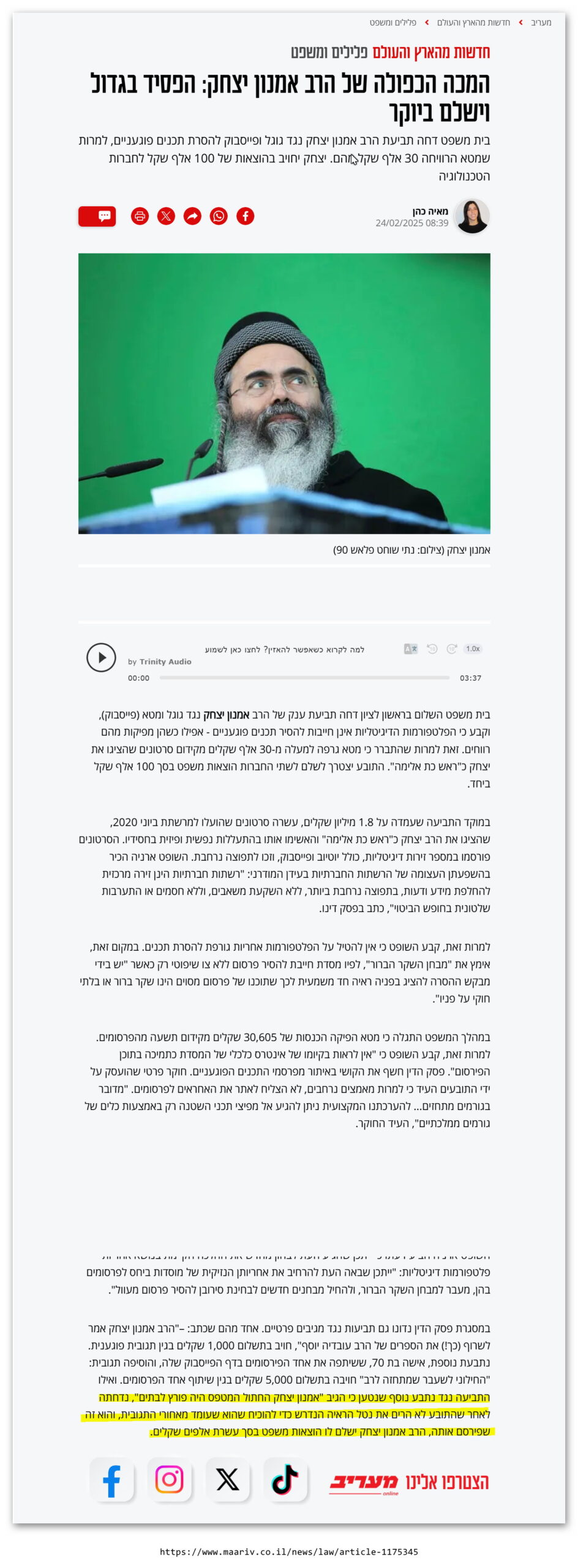
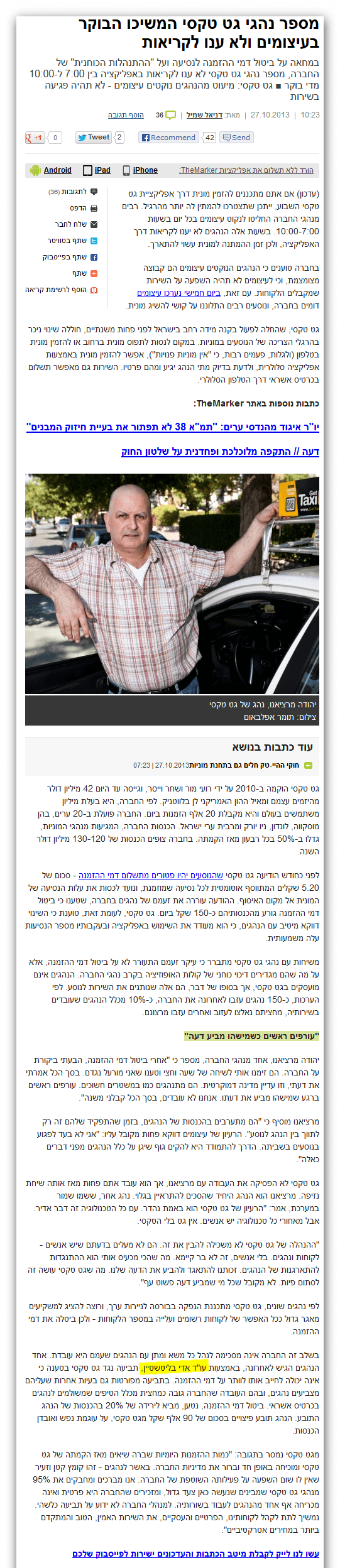
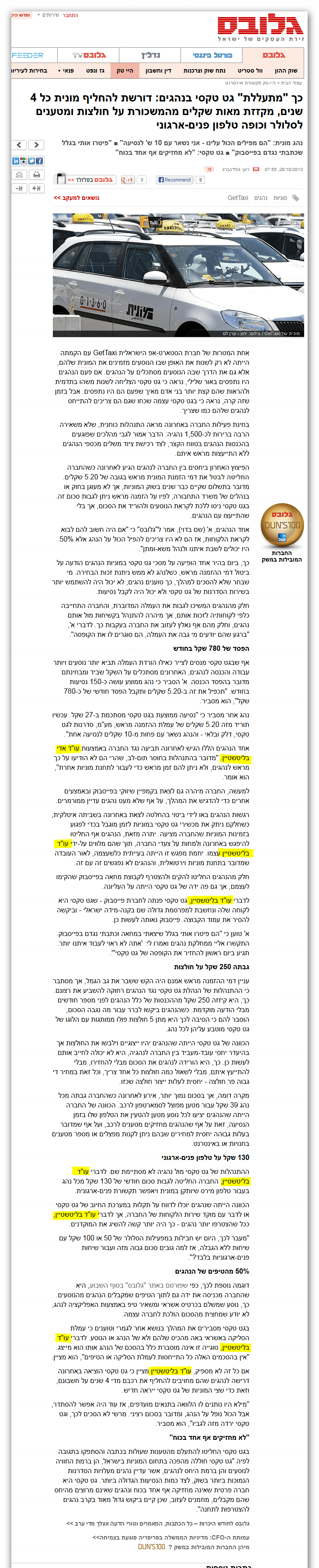
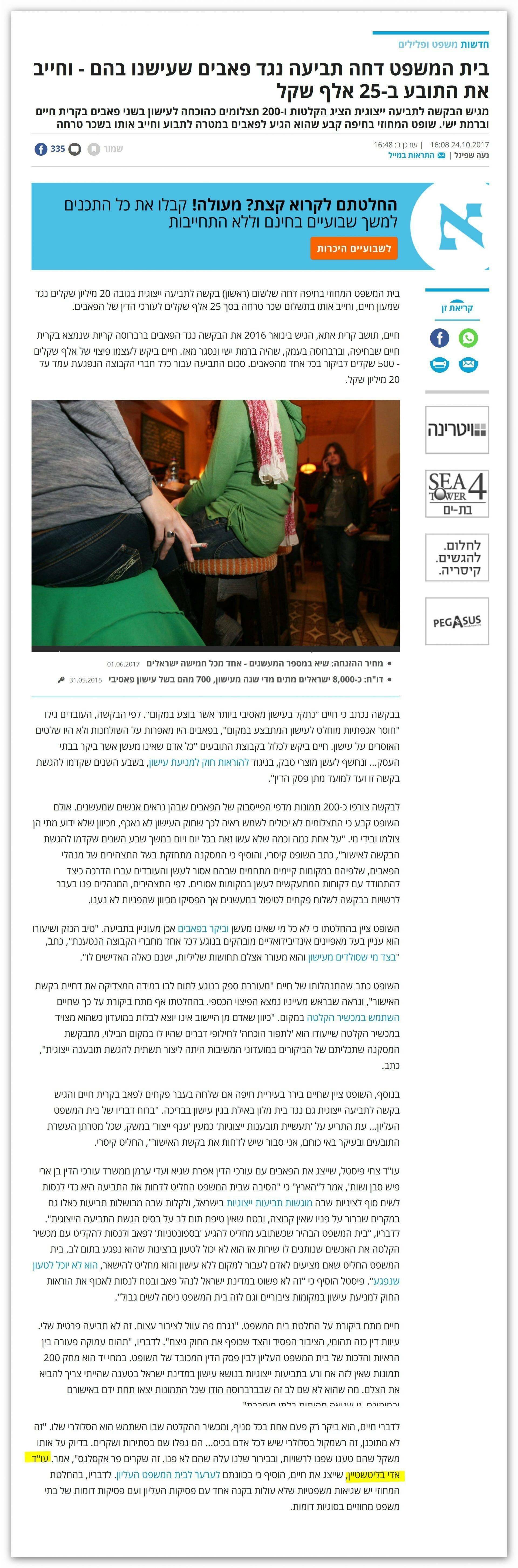
במקרה זה בעקבות תלונת שווא נפסק לתובע פיצוי כספי בסך 120 אלף ש"ח ועוד 25 אלף ש"ח בגין שכר טרחת עורך דין.
In conclusion
A false complaint is usually intended to harm the person against whom the complaint is made. False complaints should be handled with caution, especially when they are filed with the Israel Police.
First, the party that received the false complaint must investigate it and conclude that it is a false and baseless complaint. If the complaint was filed with the Israel Police, they must ensure that the reason for the closure is due to lack of guilt.
לאחר שבירור תלונת השווא הסתיים ונמצא שהיא חסרת כל בסיס, האדם נגדו הוגשה תלונת שווא יכול לשקול להגיש תביעת לשון הרע. במאמר זה תוכלו למצוא דוגמה למקרה בו נפסק לטובת התובע פיצוי כספי כולל בסך 145 אלף ש"ח, בעקבות תלונת שווא שהוגשה נגדו.
Frequently Asked Questions Regarding False Complaints
-
Is it possible to receive financial compensation for a false police complaint?
yes.
We should pay attention to the protection provided in Section 15(8) of the Defamation Law, which provides protection even in the event of filing a false complaint with the police. On the other hand, we should be familiar with the court rulings that determine when this protection will be denied and financial compensation will be awarded in favor of the plaintiff.It is highly recommended to consult with before filing a claim. Defamation lawyer.
-
What is a false complaint?
A false complaint is a complaint that describes a situation that is not true. Sometimes it is an outright false complaint, with malicious intent to harm the person against whom the complaint is made.
-
What is important to pay attention to after closing a false police complaint?
It is very important to note that the reason for the closure is due to lack of guilt. That is, the police investigated the complaint and found it to be unfounded.
-
Is it possible to receive financial compensation for any false complaint?
No. The case must be examined according to the circumstances of the case. In certain cases, a false complaint may benefit from the protection provided for in the Defamation Law.