תביעת ספאם היא כנראה אחת התביעות היותר נפוצות בהן ניתן להתקל בבית משפט לתביעות קטנות. הסיבה לכך היא כמות הספאם שנשלחת מדי יום בפלטפורמות השונות (לדוגמה SMS או דוא"ל). הסיבה לכמות הודעות הספאם היא הרווח העצום שהן יוצרות לשולחי הודעות אלה.
The phenomenon of sending spam messages can be combated using legal tools such as a spam lawsuit in small claims court, but another legal tool is filing a spam lawsuit as part of a class action lawsuit (Request for approval of a class action lawsuitEach of the procedures has advantages and disadvantages, which we will discuss in detail in this article.
Before we understand when it is appropriate to file a spam claim, and within what procedure, it is first useful to understand what a spam message is and when a spam message qualifies for financial compensation.
Introduction to filing a spam claim
סוגיית משלוח הודעות ספאם וקבלת פיצוי בגין הודעות אלה מוסדרת במסגרת הוראותיו של סעיף 30א לחוק התקשורת (הידוע בכינוי "Spam Law"). מדובר בסעיף לא קצר עם תתי סעיפים רבים, אך כדי להצליח בכל תביעת ספאם כדאי מאוד להכיר את כל הוראות סעיף זה, אשר קובע כך:
(1) A message distributed commercially, the purpose of which is to encourage the purchase of a product or service or to encourage the spending of money in another way; (2) A message distributed to the general public, the purpose of which is to solicit donations or propaganda;
(3) מסר שאינו דבר פרסומת כאמור בפסקה (1) או (2), המופץ לציבור הרחב, ונכללת בו הצעה לנמען להתקשר למספר טלפון מסוים לשם קבלת מסר כלשהו; הוראות פסקה זו לא יחולו על מסר כאמור מאת המדינה ומוסדותיה, מסר כאמור שתכליתו העברת מידע ששלח גוף הצלה כהגדרתו בפקודת המשטרה [נוסח חדש], התשל"א-1971, לשם מילוי תפקידו, או מסר כאמור מאת גוף אחר שקבע השר, באישור ועדת הכלכלה של הכנסת, ורשאי השר לקבוע כאמור סוגים שונים של מסרים לגופים שונים שקבע;
"הודעה אלקטרונית" – מסר בזק מקודד המועבר ברשת האינטרנט אל נמען או קבוצה של נמענים, וניתן לשמירה ולאחזור בדרך ממוחשבת;
"הודעת מסר קצר" – מסר בזק הכולל כתב, לרבות אותות או סימנים, או מסר בזק הכולל חוזי או שמע, ומועבר באמצעות רשת בזק אל ציוד קצה של נמען או קבוצה של נמענים;
"המדינה ומוסדותיה" – הממשלה ומשרדי הממשלה, לרבות יחידותיהם ויחידות הסמך שלהם, משטרת ישראל, בתי משפט ובתי דין, המוסד לביטוח לאומי או חברה כהגדרתה בחוק תאגידי מים וביוב, התשס"א-2001;
"מערכת חיוג אוטומטי" – מיתקן בזק או ציוד קצה המשמש לחיוג או לניתוב אוטומטיים של רצף שיחות לקבוצה של נמענים לשם העברת מסר קולי מוקלט אל אותם נמענים;
"מפרסם" – מי ששמו או מענו מופיעים בדבר הפרסומת כמען להתקשרות לשם רכישתו של נושא דבר הפרסומת, מי שתוכנו של דבר הפרסומת עשוי לפרסם את עסקיו או לקדם את מטרותיו, ובכלל זה לקדם קבלת תרומות או תעמולה, או מי שמשווק את נושא דבר הפרסומת בעבור אחר; לעניין זה, לא יראו כמפרסם מי שביצע, בעבור אחר, פעולת שיגור של דבר פרסומת כשירות בזק לפי רישיון או תקנות ההיתר הכללי, לפי העניין;
"תעמולה" – הפצת רעיונות לשם השפעה על עמדות או על התנהגויות, למעט אם יש בה מסר פוליטי, ובכלל זה תעמולת בחירות;
"תרומה" – למעט לשם התמודדות בבחירות מקדימות לפי חוק המפלגות, התשנ"ב-1992, בבחירות לכנסת ובבחירות לראש רשות מקומית או לרשימת מועמדים ברשות מקומית.
(b) An advertiser shall not send an advertisement by facsimile, automatic dialing system, electronic message or short message, without obtaining the recipient's express prior consent, in writing, including by electronic message or recorded conversation; dialing an recipient by means of an automatic dialing system without the recipient's consent as aforesaid shall be considered a violation of the provisions of this section, even if the dialing was terminated before the call was answered and when the recipient dialed the number from which the dialing was made, an advertisement was played to him; a one-time contact by an advertiser to a recipient who is a business or to a recipient for the purpose of receiving a donation or propaganda, in one of the ways mentioned in this subsection, which constitutes an offer to agree to receive advertising on his behalf, shall not be considered a violation of the provisions of this section.
(B1) Notwithstanding the provisions of subsection (b), sending an advertisement via electronic mail for the purpose of receiving a donation or propaganda by an advertiser who is an association or a public benefit company shall not constitute a violation of the provisions of subsection (b), provided that the recipient has not notified his refusal to receive the advertisement pursuant to the provisions of subsection (c)(2) or (d).
(c) Notwithstanding the provisions of subsection (b), an advertiser may send an advertisement as stated in that subsection even if the recipient's consent has not been received, provided that all of the following are met:
(1) The recipient provided his details to the advertiser during the purchase of a product or service, or during negotiations for such a purchase, and the advertiser informed him that the details he provided would be used for the purpose of sending advertising material on his behalf, in one of the ways mentioned in subsection (b);
(2) The advertiser gave the recipient an opportunity to inform him that he refuses to receive such advertising, in general or of a particular type, and the recipient did not do so;
(3) The advertisement refers to a product or service of a similar type to the product or service mentioned in paragraph (1).
(d) (1) If the recipient has agreed to receive advertising material according to the provisions of subsection (b) or has not notified his refusal to receive it according to the provisions of subsection (c), he may, at any time, notify the advertiser of his refusal to receive advertising material, in general or of a specific type, and withdraw his consent, to the extent that it was given (in this section – a refusal notice); the refusal notice shall not involve a fee, except for the cost of sending the notice; the refusal notice shall be given in writing or by the method in which the advertising material was sent, at the recipient's choice;
(2) In a transaction between an advertiser and a recipient for the purchase of goods or services on an ongoing basis, the recipient will be deemed to have given a notice of refusal on the date of termination of the engagement, including if the engagement was terminated due to a cancellation notice that was duly delivered.
(e) (1) The advertiser who sends out an advertisement in accordance with the provisions of this section shall state the following details in a prominent and clear manner that is not misleading:
(א) היותו דבר פרסומת; המילים "פרסומת", "בקשת תרומה" או "תעמולה", לפי העניין, יופיעו בתחילת דבר הפרסומת, ואם דבר הפרסומת משוגר באמצעות הודעה אלקטרונית – בכותרת ההודעה;
(b) the name of the advertiser, his address and methods of contacting him;
(c) (1) The recipient's right to send, at any time, a refusal notice as stated in subsection (d), and a possible way to send such notice that is simple and reasonable under the circumstances, and if the advertisement is sent via electronic message – a valid address of the advertiser on the Internet for the purpose of providing a refusal notice;
(2) Without derogating from the provisions of subparagraph (1), if an advertisement is sent via an automatic dialing system, the advertiser shall indicate at the beginning of the voice message that the recipient may request to remove his name from the advertiser's mailing list and shall allow him, immediately thereafter, to remove his name as aforesaid also by pressing the dialer.
(2) Notwithstanding the provisions of paragraph (1), the advertiser who sends an advertisement via a short message shall indicate in the advertisement only his name and the means of contacting him for the purpose of providing a refusal notice.
(f) (1) If the sender publishes an advertisement in violation of the provisions of subsections (b) or (c), he is liable to a fine as stated in section 61(a)(4) of the Penal Law;
(2) If the sender publishes an advertisement in which the details mentioned in subsection (e) are not stated prominently and clearly, or the details stated are misleading, contrary to the provisions of that subsection, he is liable to a fine as stated in section 61(a)(3) of the Penal Law.
(g) When imposing a fine on an advertiser convicted of an offense under subsection (f), the court may take into account the fact that exemplary damages under subsection (j) were awarded against that advertiser in a final judgment for the act for which he was convicted as aforesaid.
(h) A manager of a corporation, as well as a person responsible for marketing or advertising in the corporation (in this section – an officer in the corporation) must supervise and do everything possible to prevent an offense under subsection (f) by the corporation or by an employee of its employees; anyone who violates this provision is liable to a fine as stated in section 61(a)(3) of the Penal Law; if an offense is committed by the corporation or by an employee of its employees, it is presumed that an officer in the corporation has violated his duty under this subsection, unless he did everything possible to fulfill his duty.
(9) Violation of the provisions of this section is a civil tort and the provisions of the Torts Ordinance [New Version] shall apply thereto, subject to the provisions of this section.
(j) (1) If an advertising matter is knowingly sent in violation of the provisions of this section, the court may award, for this violation, damages that are not dependent on the damage (in this section – exemplary damages), in an amount not exceeding 1,000 new shekels for each advertising matter received by the recipient in violation of the provisions of this section;
(2) When determining the amount of exemplary damages, the court may take into account that the advertiser was convicted, for the same act, of an offense under subsection (f);
(3) When determining the amount of exemplary damages, the court will take into account, among other things, the considerations detailed below, and will not take into account the amount of damage caused to the recipient as a result of the violation:
(a) Enforcing the law and deterring its violation;
(b) encouraging the recipient to exercise his rights;
(c) the extent of the violation;
(4) The provisions of this subsection shall not derogate from the recipient's right to compensation under subsection (i) or to any other remedy, due to the same violation;
(5) It is presumed that an advertiser who has sent an advertisement in violation of the provisions of this section did so knowingly as stated in paragraph (1), unless he proves otherwise; in this regard, the advertiser will have no defense in the cases specified below:
(a) The advertisement was sent after the advertiser was given a refusal notice by the recipient as stated in subsection (d);
(b) The advertiser has previously sent an advertisement to the recipient in violation of the provisions of this section, even if not knowingly;
(c) The advertising material was sent to the recipient according to a list of addresses or telephone numbers, as the case may be, which were composed according to a random sequence of letters, numbers or other symbols, or a combination thereof, all or some.
(k) The Minister, with the approval of the Knesset Economic Committee, may determine provisions regarding the implementation of this section, including regarding –
(1) The manner of delivering a recipient's notice of prior express consent as stated in subsection (b);
(2) The manner of delivering the advertiser's notice as stated in subsection (c)(1);
(3) The manner of giving a notice of refusal as stated in subsection (d);
(4) The manner of specifying the details that must be specified regarding an advertisement as stated in subsection (e) and other ways of bringing the details mentioned in subsection (e)(2) to the attention of the recipient;
(5) Additional details that an advertiser must specify regarding the advertisement sent in accordance with the provisions of this section.
(12) The Minister, with the approval of the Knesset Economics Committee, may determine additional ways of sending advertising material via telecommunications equipment or terminal equipment to which the provisions of this section shall apply.
(13) The provisions of this section do not derogate from the provisions of any law.
התנאים להגשת תביעת ספאם על פי הוראות סעיף 30א לחוק התקשורת ("חוק הספאם")
This long and tedious text can be summarized as follows: Spam is a message that aims to get a person to purchase a product or service, or encourages spending money in some other way; a spam claim can be filed not only against the person who sent the spam messages but also against the entity (person or business) whose goals these messages advance; you will not be able to win a spam claim if you have consented to receiving spam messages; if you have consented to receiving spam messages and at a later stage you inform them that you do not wish to continue receiving spam messages, and these messages were nevertheless sent to you, you can file a spam claim; a person who has received Spam message רשאי להגיש תביעת ספאם ולדרוש פיצוי כספי בסך עד 1000 ש"ח (אם קיבלתם מספר הודעות ספאם, אתם רשאים לדרוש עד 1000 ש"ח לכל הודעת ספאם).
When should you file a spam lawsuit in small claims court?
תביעה קטנה זהו הליך מהיר, לא פורמאלי, אשר מיועד בעיקר למי שאינו משפטן וסכום תביעתו לא עולה על כ-38,900 אלף ש"ח (הסכום מתעדכן מעט מדי שנה).
As part of a spam lawsuit filed in small claims court, you can demand: Example compensation In total to 1000 ש"ח בגין כל הודעה.
Fee amount The fee to file a spam claim in small claims court is 1% of the claim amount, and no less than 50 shekels. If you decide to file a spam claim for 38 spam messages, you can claim financial compensation in the amount of to 38,000 ש"ח ובמקרה כזה תשלמו אגרה בגין הגשת תביעת ספאם בסך 380 ש"ח.
A spam lawsuit in small claims court will usually be settled within a few months (a very short time compared to any other lawsuit). Civil lawsuit or Financial claim filed with the district court or Magistrate's Court).
אדם שיגיש תביעת ספאם לבית משפט לתביעות קטנות הוא אדם אשר מעוניין לרוב בפיצוי כספי מהיר, ובלי יותר מדי "כאב ראש". אם זה מה שאתם מעוניינים בו, אין ספק שהגשת תביעת ספאם לבית משפט לתביעות קטנות זהו הפתרון הראוי עבורכם.
When should you file a spam lawsuit as part of a class action?
A spam class action lawsuit is completely different from any spam lawsuit in small claims court. Before you consider filing a spam class action lawsuit, contact Class Action Lawyer Experienced in this field, because the failure of the class action may cost you dearly in the form of Ruling on legal costs Respectfully yours.
Filing a spam claim as part of a class action is intended for those people who understand that conducting a class action may yield them higher financial compensation compared to a spam claim as part of a small claims lawsuit, And for those people who understand that in a class action lawsuit they must prove that not only they received spam messages in violation of the law, but also a very large group of other people.
The focus of any class action spam lawsuit shifts from the class plaintiff to the group of victims (all those people who received spam messages in violation of the law). The more the class plaintiff can prove that there is a larger group of people who received a very large amount of spam messages, the greater the chances that the court will accept the class plaintiff's claims. And he will award him a special reward for his efforts..
גובה הגמול המיוחד שנפסק במסגרת תביעת ספאם בהליך ייצוגי תלוי מאוד בגובה הפיצוי לקבוצת הנפגעים. ככל שגובה הפיצוי לקבוצה גבוה יותר, כך התובע הייצוגי יוכל לדרוש, ולקבל בפועל גמול גבוה יותר עבורו. בחלק גדול מהמקרים התובע הייצוגי מקבל גמול מיוחד בגובה עשרות אלפי שקלים. במקרים בהם גובה הפיצוי לקבוצה מגיע לעשרות מיליוני שקלים, התובע הייצוגי יוכל לקבל גמול שיעלה על 100,000 ש"ח.
A class action spam lawsuit also has its drawbacks. For example, as I mentioned earlier, if a class action spam lawsuit is dismissed, the class plaintiff will be required to pay very high legal fees. In addition, a class action spam lawsuit is a very long legal process, often lasting well over a year.
על מנת להגיש תביעת ספאם במסגרת הליך ייצוגי על התובע לשלם אגרה בסכומים הרבה יותר גבוהים לעומת תביעת ספאם במסגרת תביעה קטנה. נכון להיום, הגשת תביעת ספאם במסגרת הליך ייצוגי לבית המשפט המחוזי כרוכה בתשלום אגרה העולה על 18,615 אלף ש"ח. קצת יותר מ-6399 ש"ח משלמים מיד עם ההגשה, ואת היתרה בשלב מאוחר יותר אם בית המשפט דוחה את טענות התובע הייצוגי. If the parties reach a settlement or if the court accepts the plaintiff's claims, the plaintiff will receive back the first payment for the fee and will not have to pay the second part of the fee.
As a law firm that represents both plaintiffs and defendants in spam lawsuits in class-action proceedings, it should be made clear that anyone considering filing a spam lawsuit in a class-action proceeding should do so only after extensive preparatory work, so that evidence can be presented in court that the defendant entity sent spam messages to a very large group of people, in violation of the law.
If, in a class action spam lawsuit, it is proven that only the plaintiff or a small group of people received spam messages in violation of the law, the class action will be dismissed, and the class action plaintiff will be charged with legal costs.
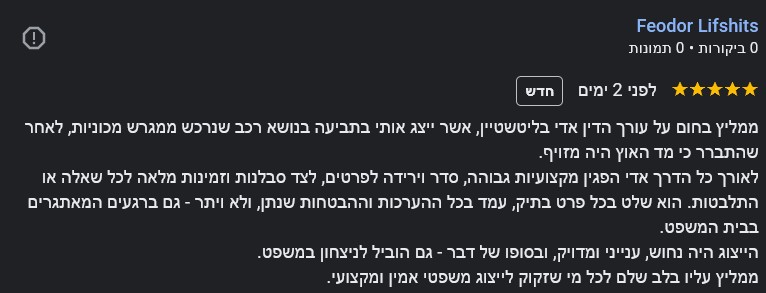
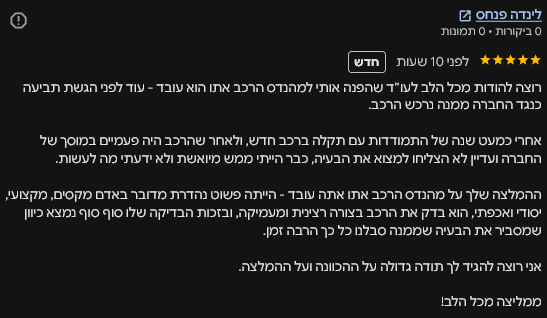
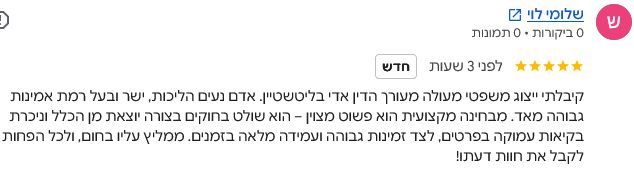
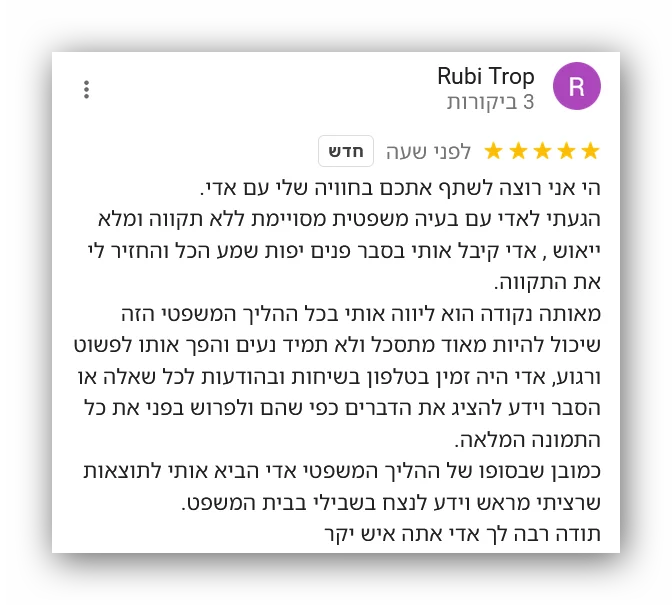
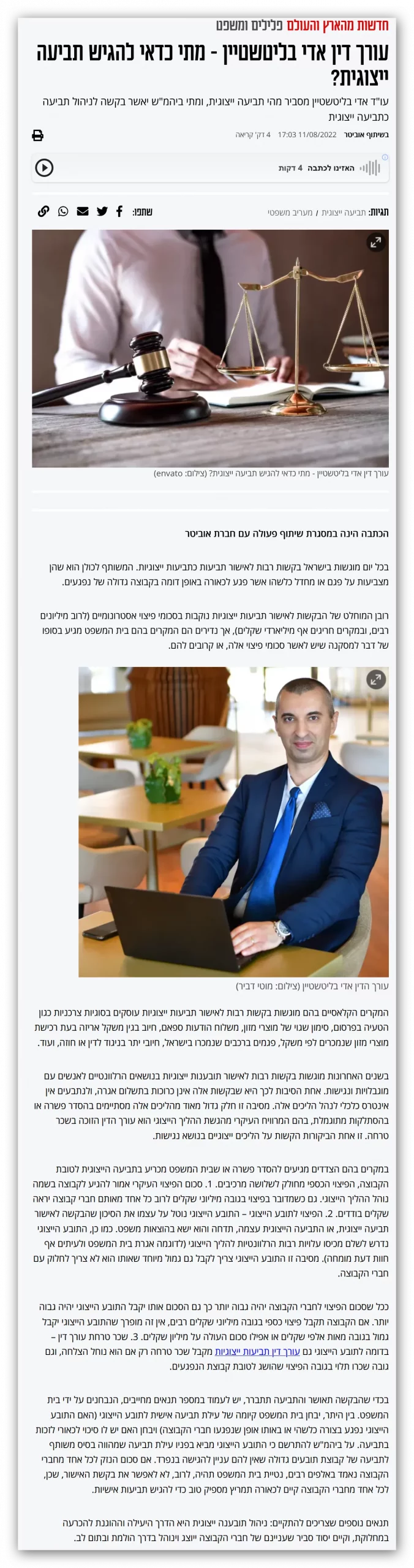
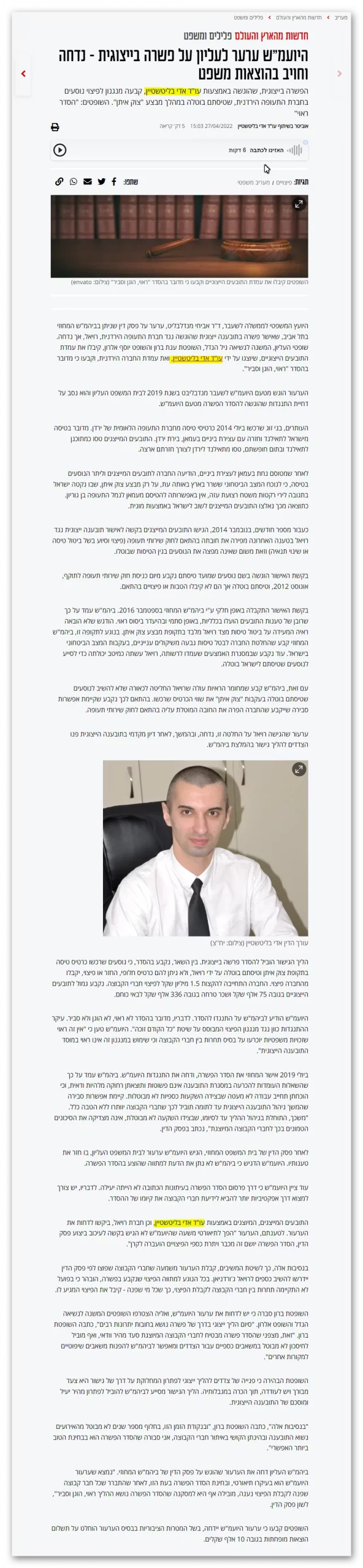
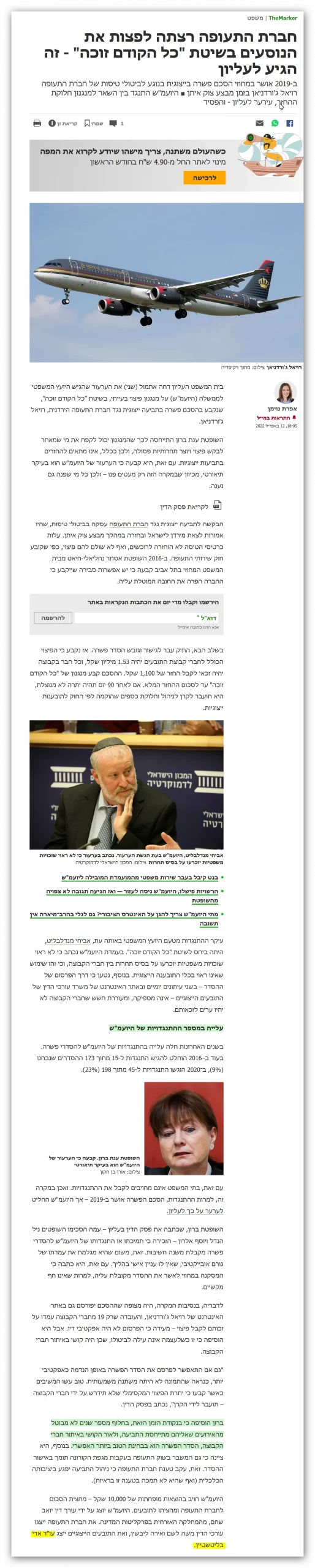
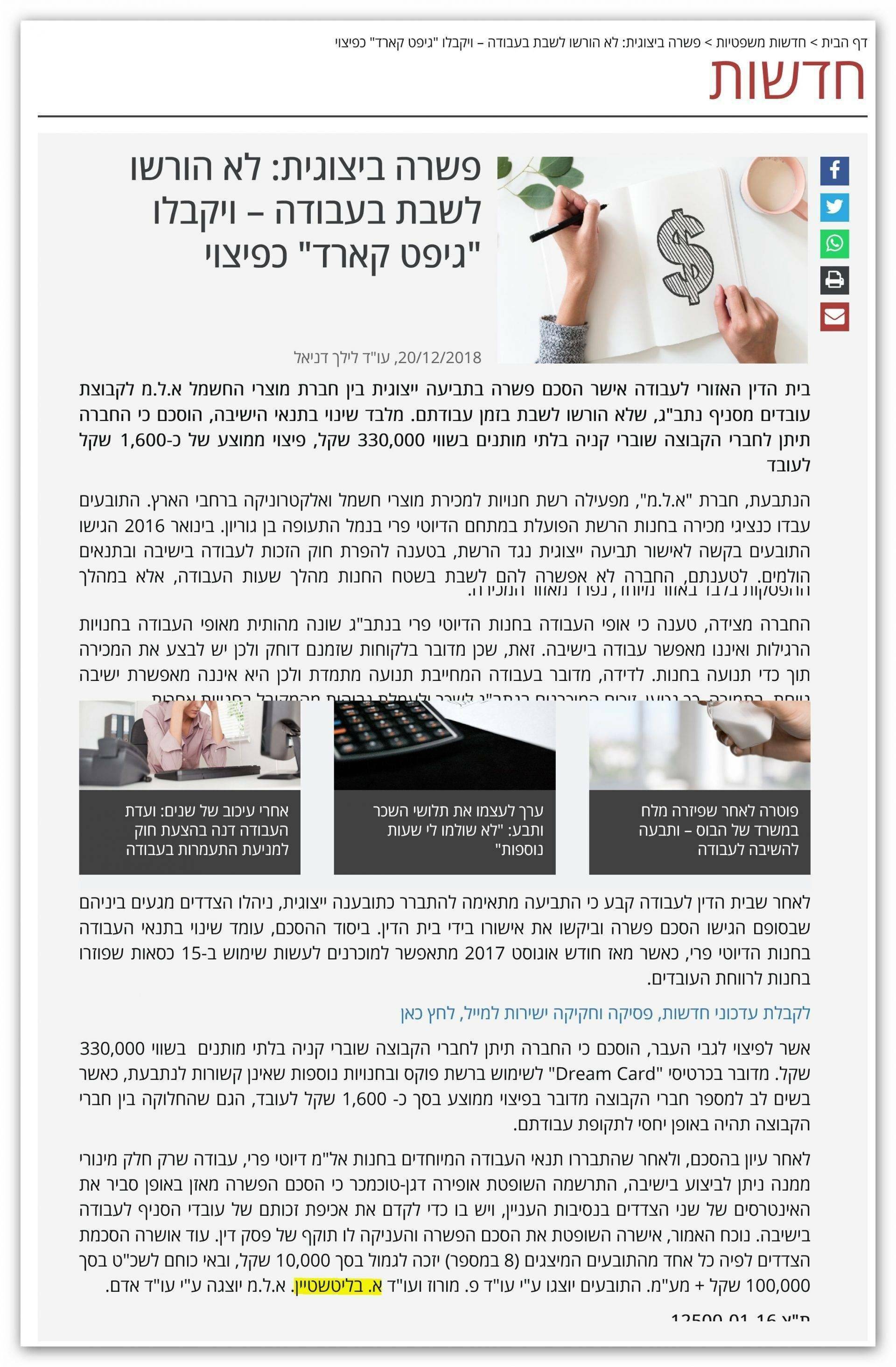
Considering filing a spam class action lawsuit? Need to defend yourself against a spam class action lawsuit? Contact Attorney Eddie Blitstein
In conclusion
A spam message is a message sent with the intent to encourage the purchase of a product or service, or to encourage the spending of money in some other way. A spam message sent to a person without their consent exposes the sender of the message to a demand for payment of up to 1,000 shekels.
You can file a spam lawsuit in small claims court and demand compensation, for example: to 1000 shekels per message. A spam lawsuit in small claims court is a relatively easy and quick legal procedure, and is intended primarily for those who do not wish to invest a lot of time, money, and energy in conducting a long and exhausting legal process.
In contrast, a spam lawsuit in a class action is intended for people who understand that if they file a class action lawsuit and win, they may receive special compensation that may be much higher (significantly) than any compensation they could receive in a small claim.
The amount of compensation in a spam claim depends on the number of spam messages you received illegally. The higher the number of spam messages you received, the greater the chances that you will receive higher financial compensation.
A spam class action lawsuit will only entitle the class plaintiff to significant financial compensation if the group of victims receives financial compensation or a significant benefit. It is important to note that within the Class action lawsuit The focus is on the group of victims and not necessarily on the class action plaintiff.
How much financial compensation can be claimed under the Spam Law?
The Spam Law (Section 30A of the Communications Law) allows you to file a spam claim and demand financial compensation of up to 1,000 shekels for each message you received unlawfully. שימו לב למילה "עד". משמעות הדבר שגובה הפיצוי נתון לשיקול דעתו של השופט שדן בתיק.
How long does a spam claim last?
A spam lawsuit in small claims will take several months. A spam lawsuit in the Magistrate's Court is expected to last between six months and a year. A spam lawsuit in a class action lawsuit is expected to last more than a year.
Is it possible to file a spam lawsuit without a lawyer?
A spam lawsuit can be filed without a lawyer only in small claims court. In any other procedure, you should seek the services of a lawyer.
User rating:
5 / 5. 45
No votes so far! Be the first to rate this post.
We are glad to know that the article was helpful to you.
Follow us on social media!
We are sorry that this post was not useful for you!
He has extensive experience and proven success in complex civil and financial lawsuits against the most powerful and largest entities in Israel and abroad.
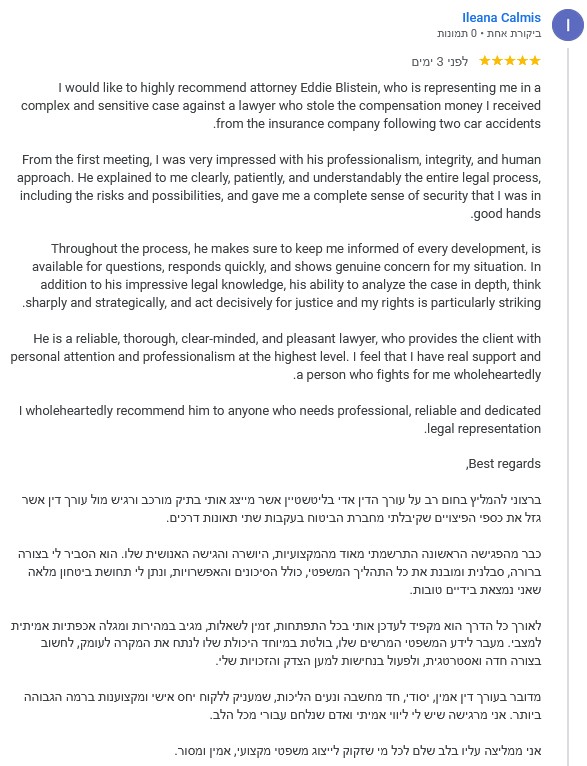
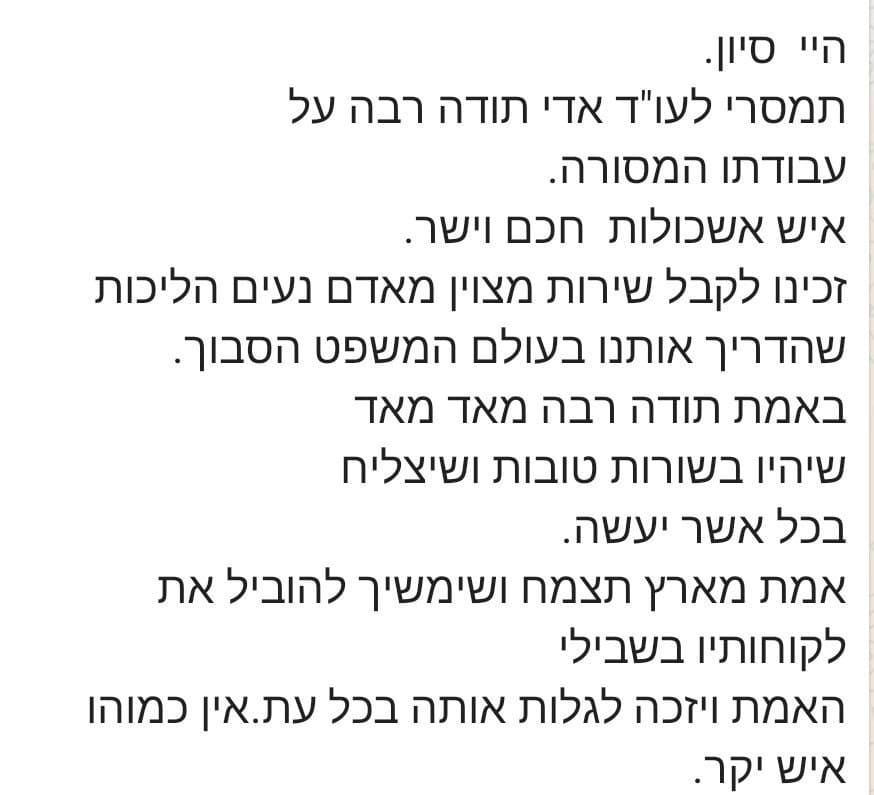
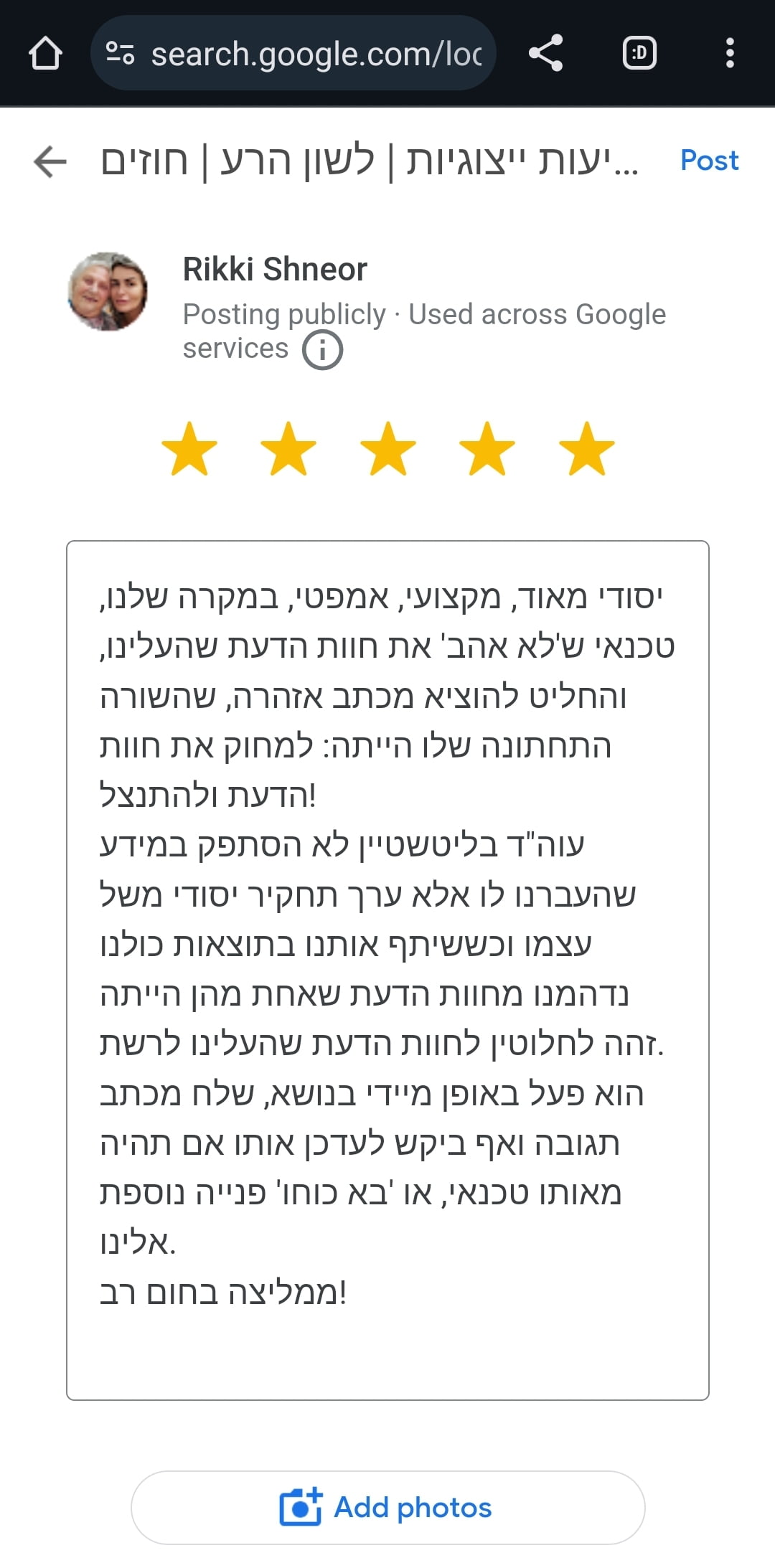
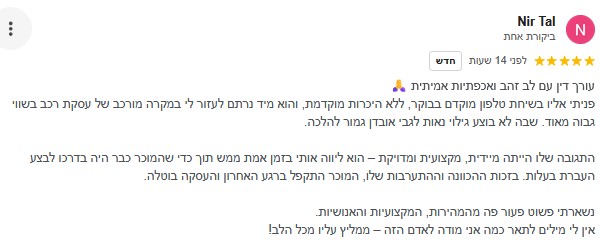
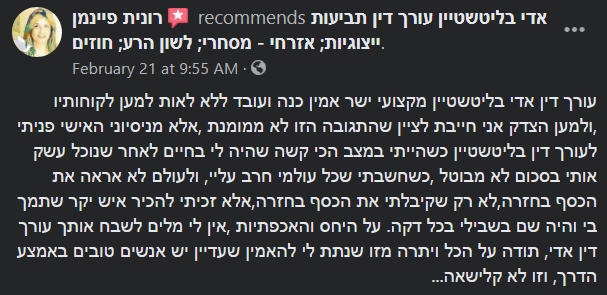
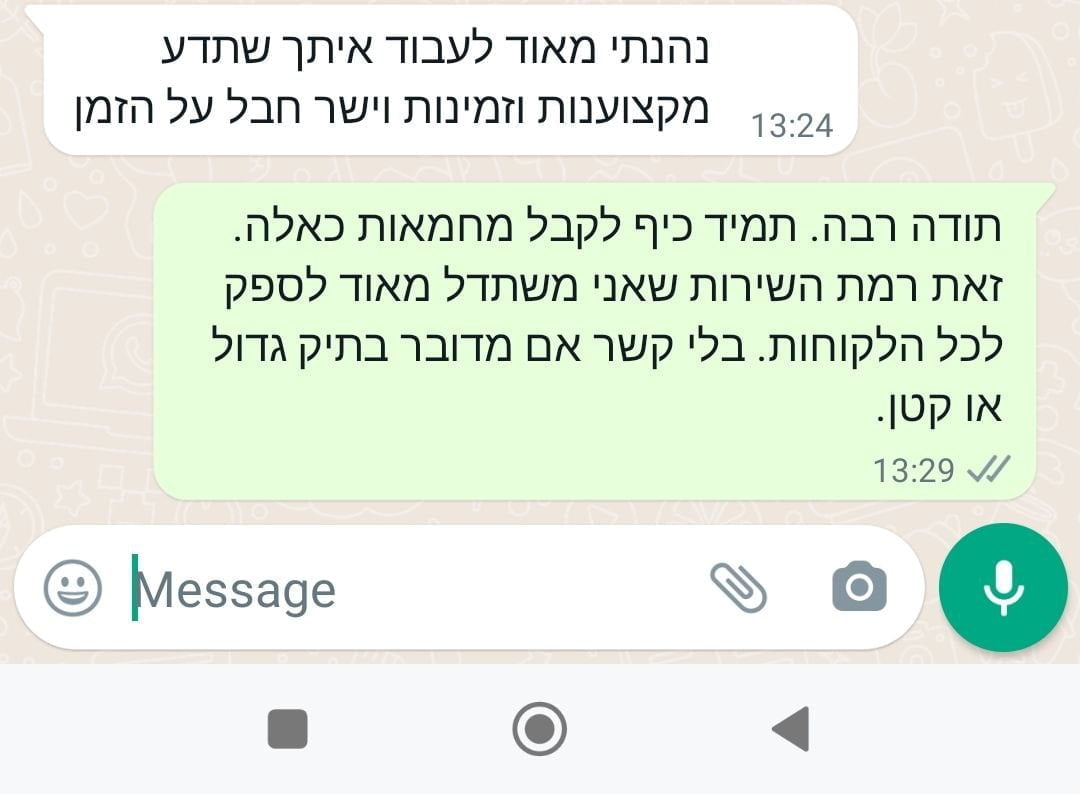
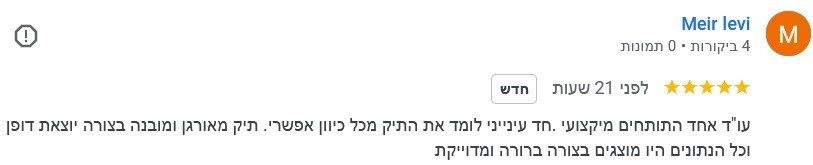
You can read many recommendations from previous clients of the firm and articles about us in the media at the bottom of the page.
Our firm provides the highest level of legal services to companies and individuals, in Hebrew, English and Russian.
Attorney Eddie Blitstein represents plaintiffs and defendants only in claims in amounts exceeding NIS 100,000.
Our office does not accept clients who wish to pay a fee based on percentage or success.