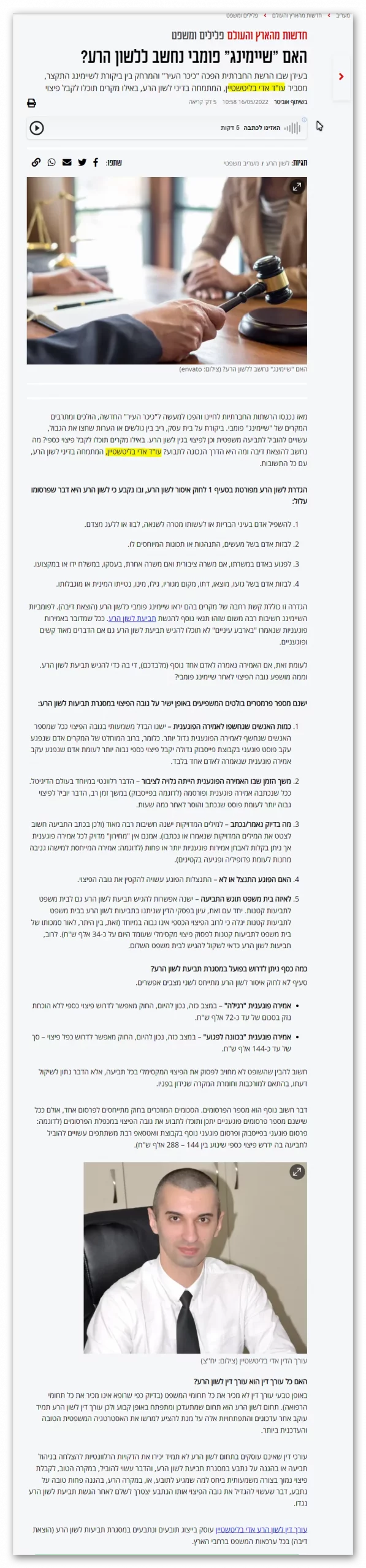
Today, writing a review of a business online is extremely common. Facebook Or dedicated websites (such as Zap) allow customers of businesses to write a consumer review anytime they are satisfied or dissatisfied with the service they received from the business.
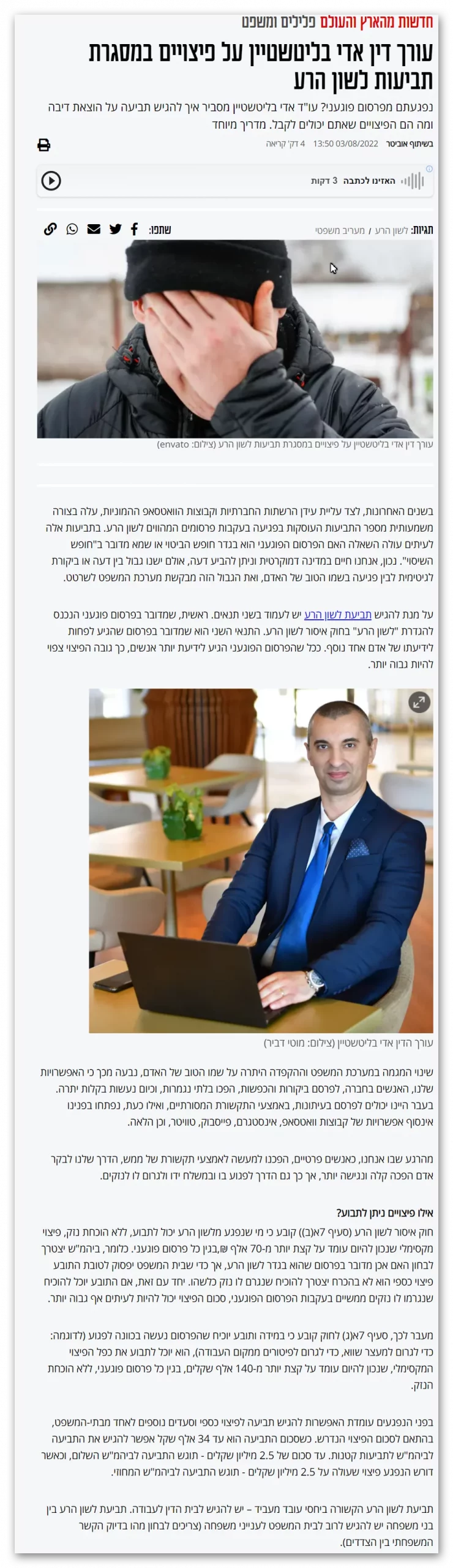
The question arises, when does writing a review of a business go beyond just another consumer review published online and become defamation?
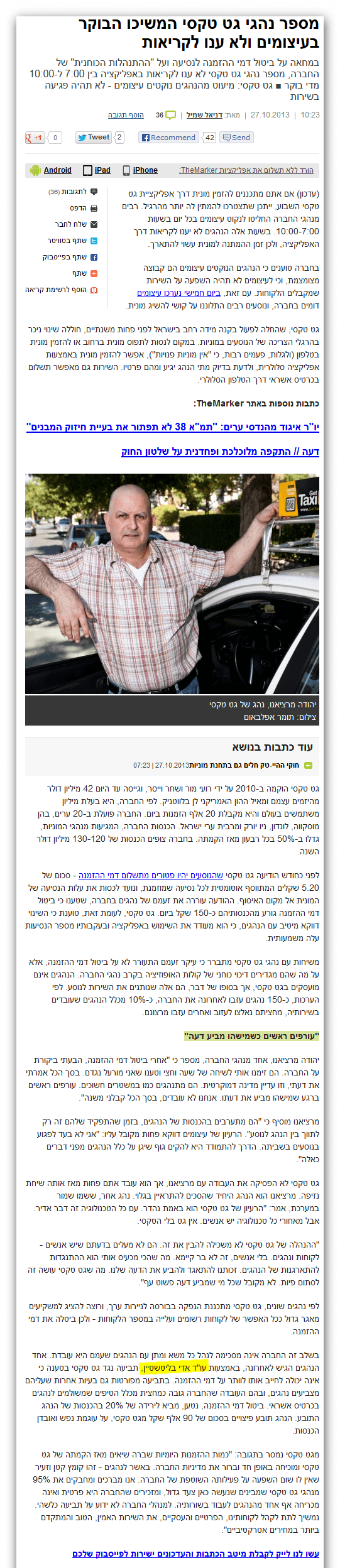
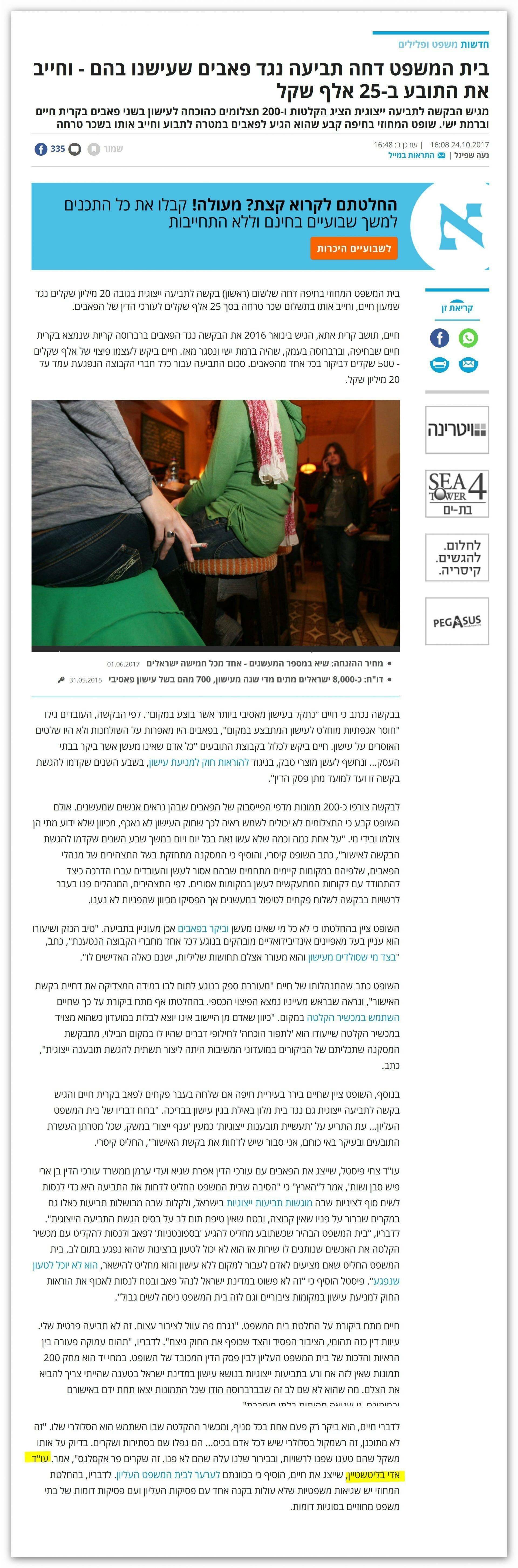
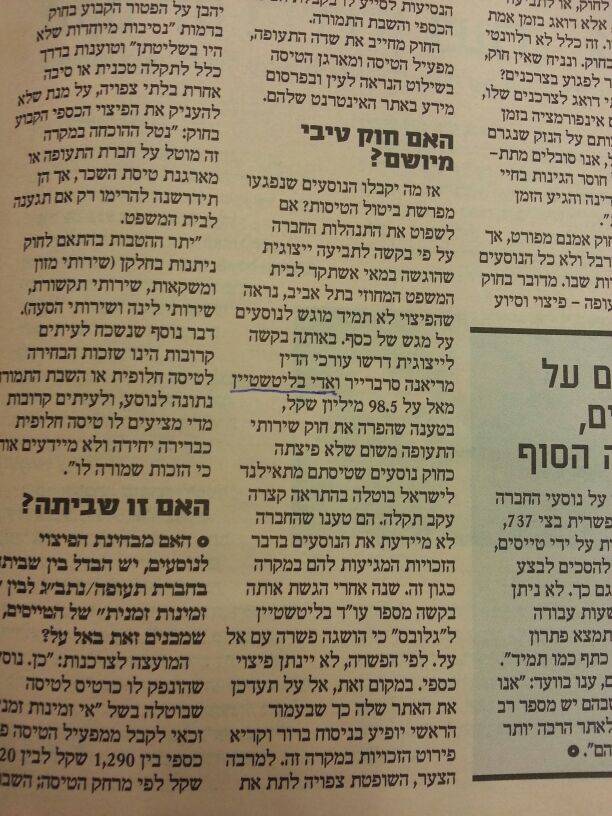
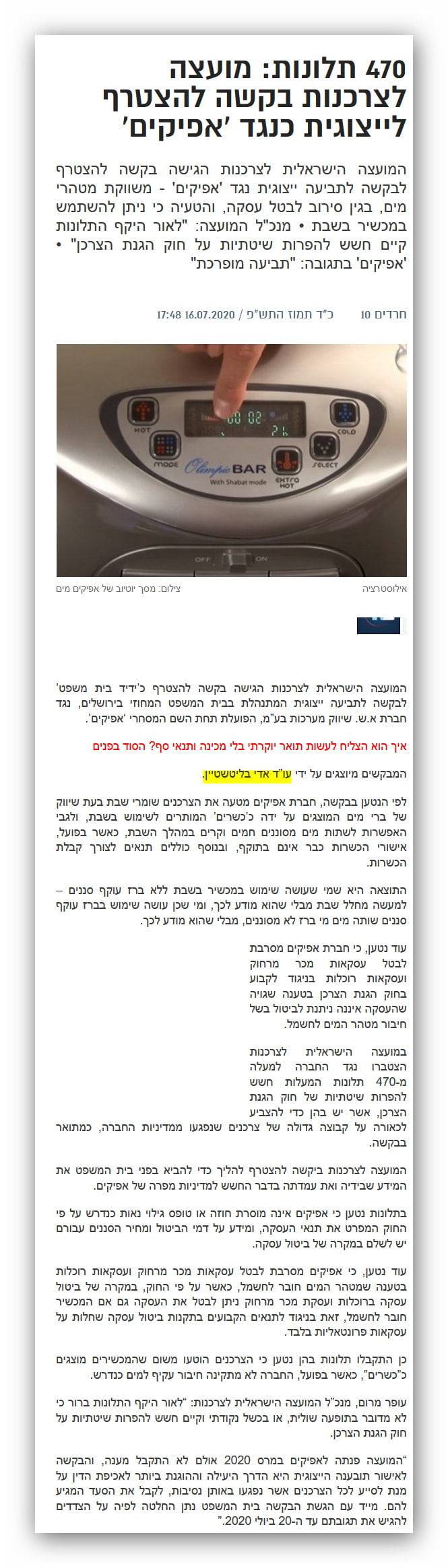
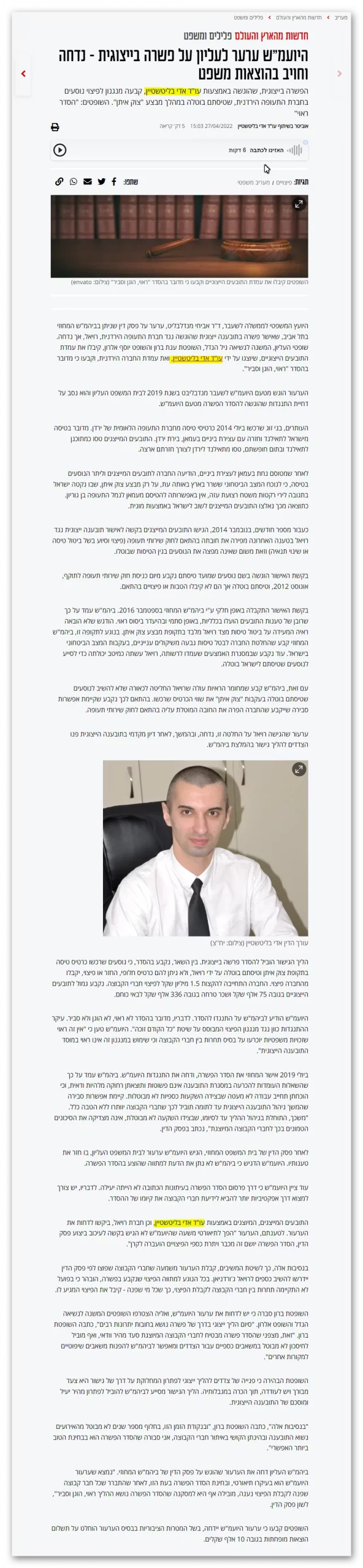
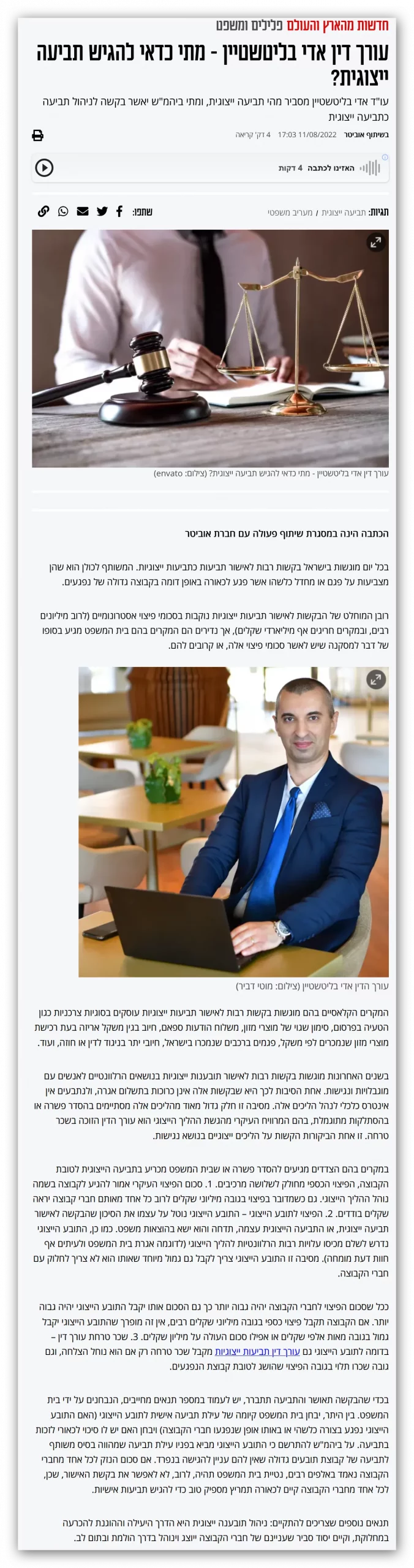
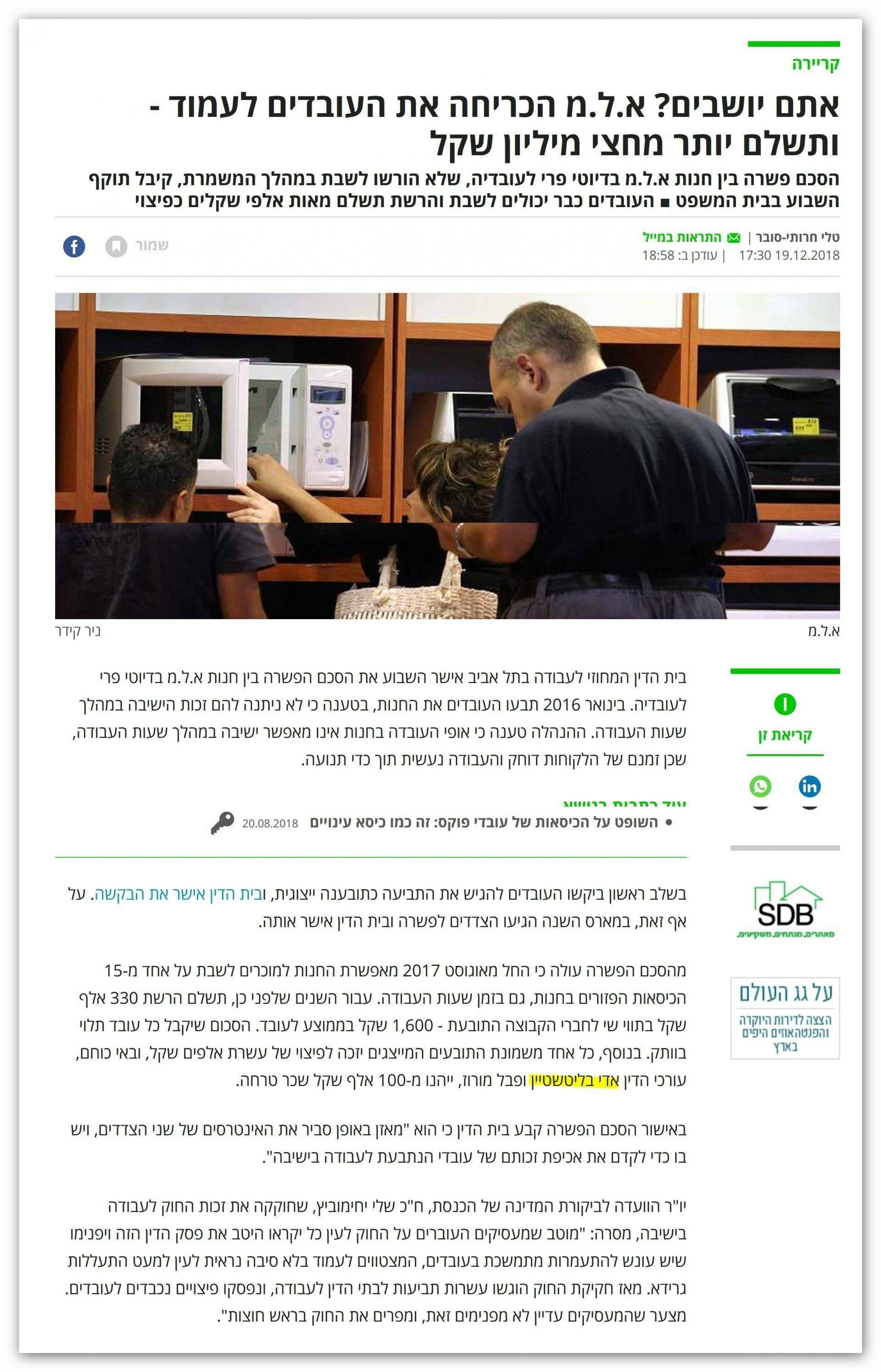
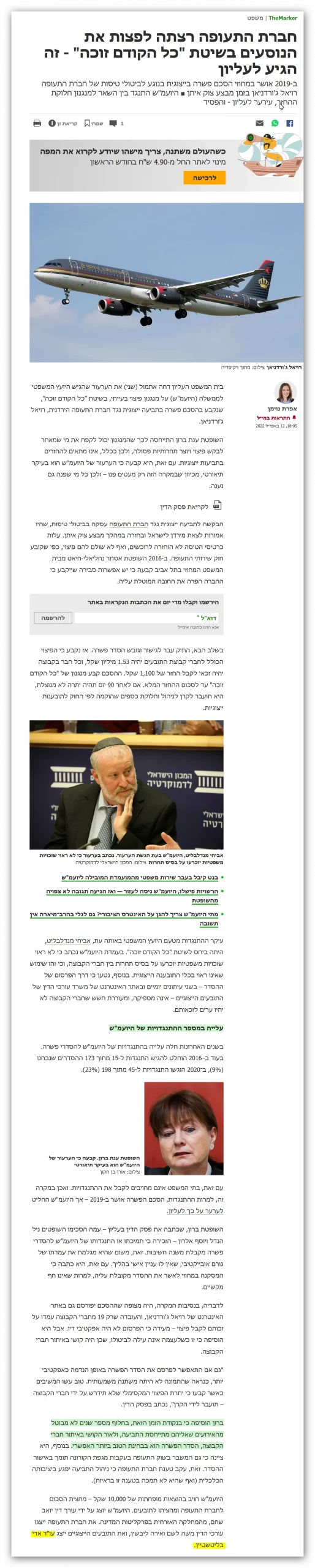
במקרה שנדון בבית משפט השלום בראשון לציון נדונה תביעתה של חברת GO MOBILE המוכרת טלפונים סלולריים, שמובאים ארצה ביבוא מקביל (לא על ידי היבואן הרשמי), כנגד לקוחת החברה אשר כתבה ביקורת צרכנית לאחר רכישת מכשיר סלולרי שהתקלקל, בפייסבוק ובאתר זאפ (תא"מ 26701-02-17 סי. טי. אי גומובייל בע"מ נ' אנה רובינשטיין).
The court discussed two consumer reviews written by the customer:
"אל תקנו ב go mobile. לפני חודשיים רכדתי (צ"ל רכשתי) טלפון בסניף אילת והיול (צ"ל והיום) קיבלתי אותו ממעהדת (צ"ל ממעבדת) סמסונג רשמית שטלפון פרוץ ואיאפשר לתקן אותו. זאת אומרת טלפון מוחדש!!!!! במחיר של חדש."
…
"אל תתקרבו לחנות הזאת… קניתי טלפון באילת בספטמבר 2016. אחרי חודשיםם (צ"ל חודשיים) הטלפון הפסיק לעבוד, אחרי בדיקה במעבדת (צ"ל במעבדה) הרשמית של סמסונג נאמר לי שטלפון פרוץ, זאת אומרת מחודש… אבל קניתי טלפון חדש במחיר של טלפון חדש. אחרי פנייה לחברה GO MOBILE, דרך אגב קיבלתי מנם (צ"ל מהם) תגובה רק אחרי שרשמתי פוסט בפייסבוק, לפני זה אף אחד לא התייחס אליי, נאמר לי דרך המייל ולא בטלפון שהם לא לוקחים אחריות ומוכרים טלפונים חדשים בלבד. ושאני יכולה למסור את הטלפון למעבדה שלהם וזה כמוון (צ"ל כמובן) כרוך בתשלום. אני עוד לא נפגשתי עם החוצפה כזאת. אל תתקרבו לרשת הזאת".

כתיבת ביקורת על עסק (ביקורת צרכנית לגיטימית) Compared to defamatory advertising
The court made the distinction between the customer's legitimate consumer criticism and her other words that constitute defamation (slander):
בענייננו, מדובר בביקורת צרכנית שפורסמה ברשת, במקומות המיועדים לכך. בסוג זה של פרסומים, לא בהכרח ולא באופן אוטומטי ייקבע כי מדובר בפרסום לשון הרע אשר החוק מטיל אחריות בגינו. זאת, בהתחשב בחופש הביטוי של הנתבעת ובכך שקיימת חשיבות ציבורית לאפשר החלפת מידע חופשית וביקורת צרכנית ברשת, בפרט במסגרות המיועדות לכך (אתר הפייסבוק של הרשת; אתר "זאפ" שעיסוקו בהשוואת מחירים וחוות דעת על ספקים וחנויות).
In this situation, to the extent that the advertisement was limited to a legitimate description of a negative service experience, there was not necessarily room for liability for defamation, even if blunt and harsh words were written.
However, in our case, the defendant was not content with publishing that the service she received from the plaintiff was not to her liking, or with sharing her feelings that the plaintiff had disclaimed responsibility for her products. The defendant published – as a fait accompli – that the plaintiff had sold her a cracked phone and refurbished it as a new phone.
This is a serious accusation, and if it turns out to be untrue, it does not fall within the scope of legitimate consumer criticism, but rather, for all intents and purposes, defamation. After all, under the auspices of freedom of expression and protection of the exchange of opinions and consumer criticism online, defamation presented as facts, which turns out to have no basis, should not be allowed.
The ruling clearly shows that if the defendant had succeeded in proving her claim that the plaintiff had sold her a cracked or not-new device, the lawsuit against her would have been dismissed because the court would have accepted the claim that the advertisement constituted legitimate and correct consumer criticism.
למרות שבית המשפט קבע שאין מדובר בפרסום המהווה ביקורת צרכנית לגיטימית, אלא בפרסום לשון הרע (הוצאת דיבה), בית המשפט חייב את הנתבעת בפיצוי כספי נמוך באופן יחסי, בגובה 5000 ש"ח בלבד, משום שהתובעת לא בדקה את טענות הנתבעת לגופו של העניין, והתנערה ממנה ברגע שגילתה שהנתבעת מסרה את מכשירה לתיקון במעבדה אחרת שאינה שייכת לתובעת.

In conclusion
There is no dispute that it is possible to write reviews about businesses, and even Negative review If the customer is indeed harmed by the business. However, sometimes customers not only exaggerate their criticism but write things that are outright lies whose sole purpose is to harm the business.
In situations where a negative review has been written about a business, it is first suggested that the business owner contact the customer and come to an understanding with them so that they will remove or change the review. It is recommended to record this conversation in case the customer tries to blackmail the business owner or explicitly states that he wrote it even though he knows it is untrue, in order to harm the business.
If the business owner is unable to reach an agreement with the customer and believes that he has received a false and offensive review, there will be no choice but to send Warning letter before taking legal actionAnd if that doesn't help, submit Defamation lawsuit.