What is online shaming (ONLINE SHAMING or CYBER SHAMING)?
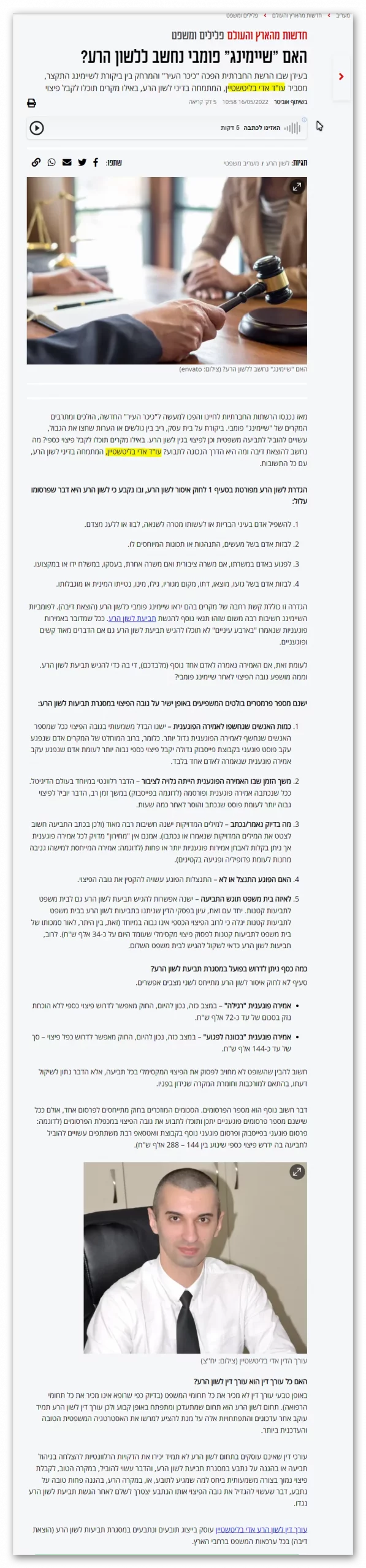
שיימינג מתורגם לעברית כ"ביוש". מטרתו של שיימינג ברשת (או ביוש ברשת) או בכל פלטפורמה אחרת היא לפגוע או לבזות את האדם כנגדו מפורסמת ידיעה כלשהי. למעשה מדובר בלא פחות מאשר תופעת בריונות ברשת.
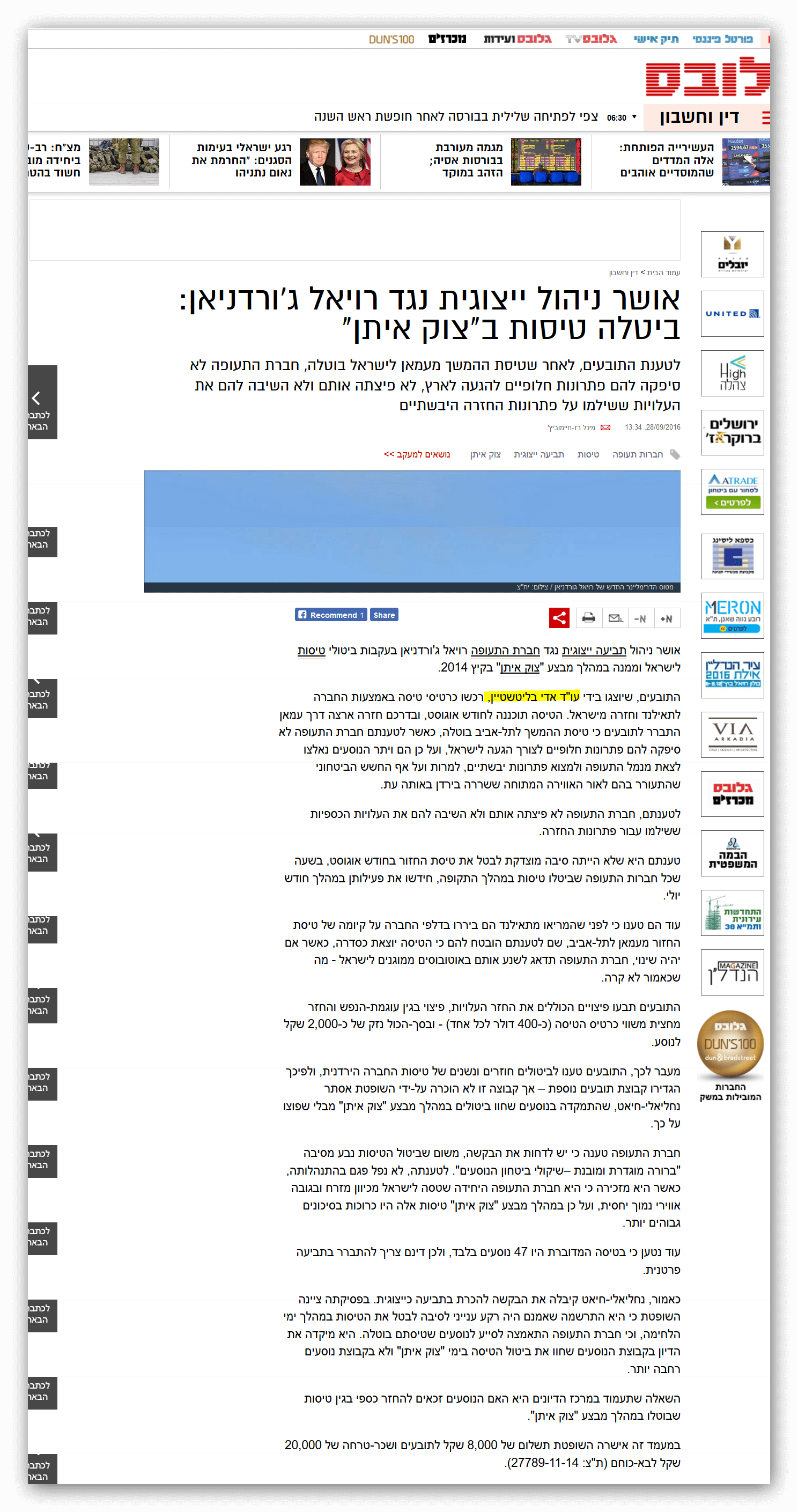
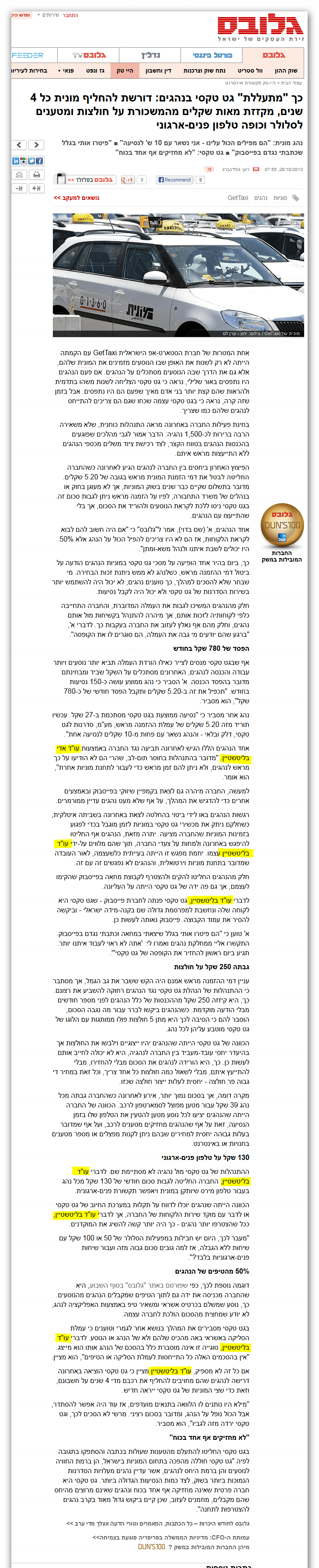
Today, the phenomenon of online shaming is of great concern to various courts because the Internet has taken on a central part of our lives, is cheap and available to almost everyone, and allows for very wide distribution, so the harm to the person against whom shaming has been committed may be particularly serious.
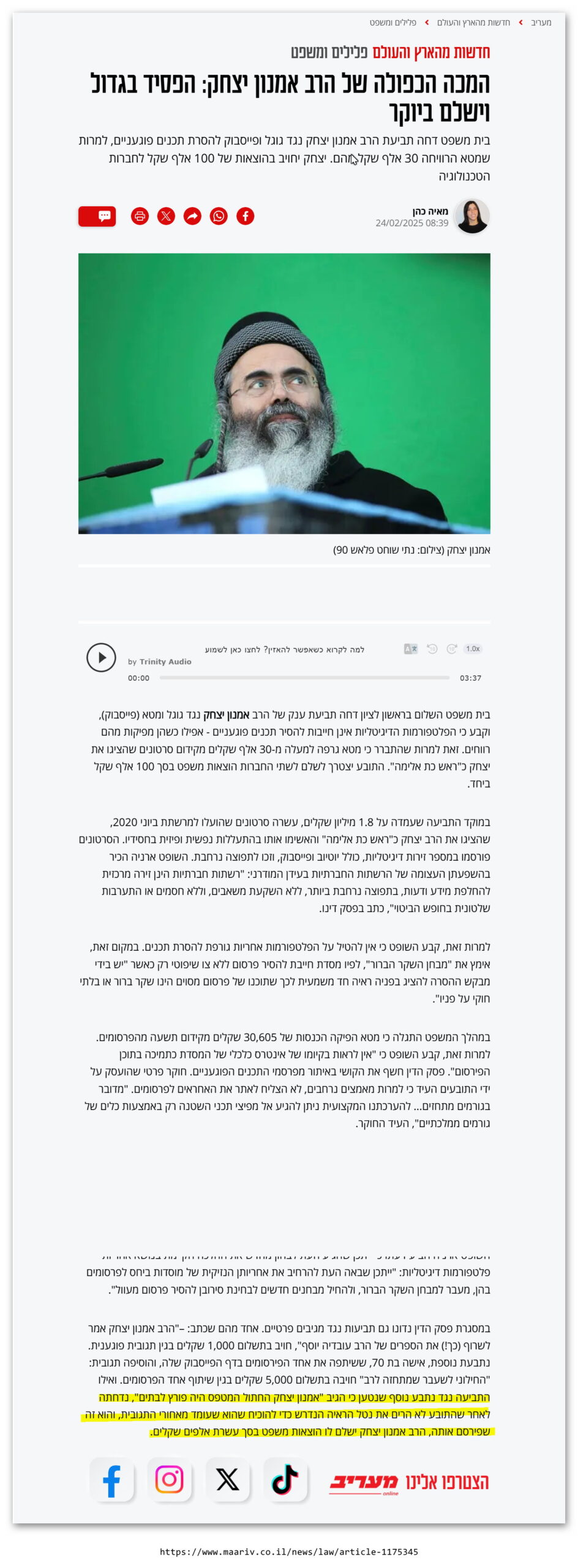
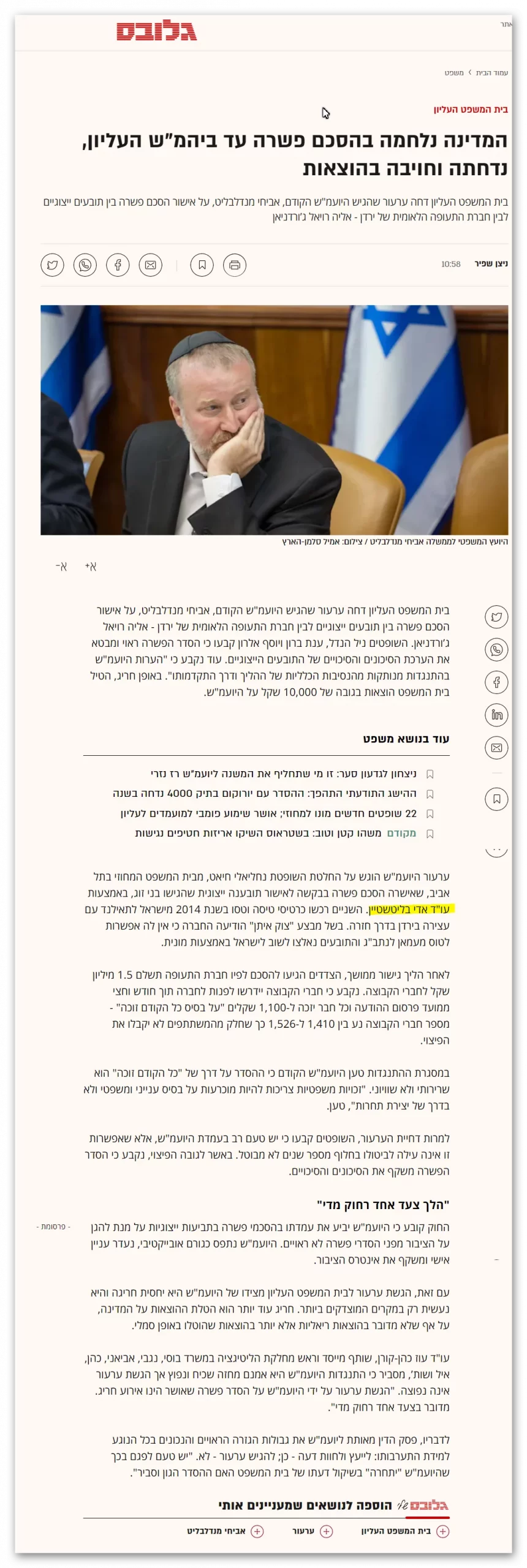
A common tool for online shaming today is the social network Facebook. Shaming on Facebook has led to particularly interesting rulings, not only because the amounts of compensation awarded to victims may be particularly high, but because the courts have expanded the liability not only to the person who wrote the original post and was responsible for the shaming, but also to the administrator of the Facebook group where the shaming took place.
The person who shared a post on Facebook can also be held liable for online shaming. That is, that person did not write the offensive things, but he spread the shaming (in good faith or not) and therefore increased the exposure of the offensive post, and therefore he can be held liable and ordered to pay financial compensation to the victim.
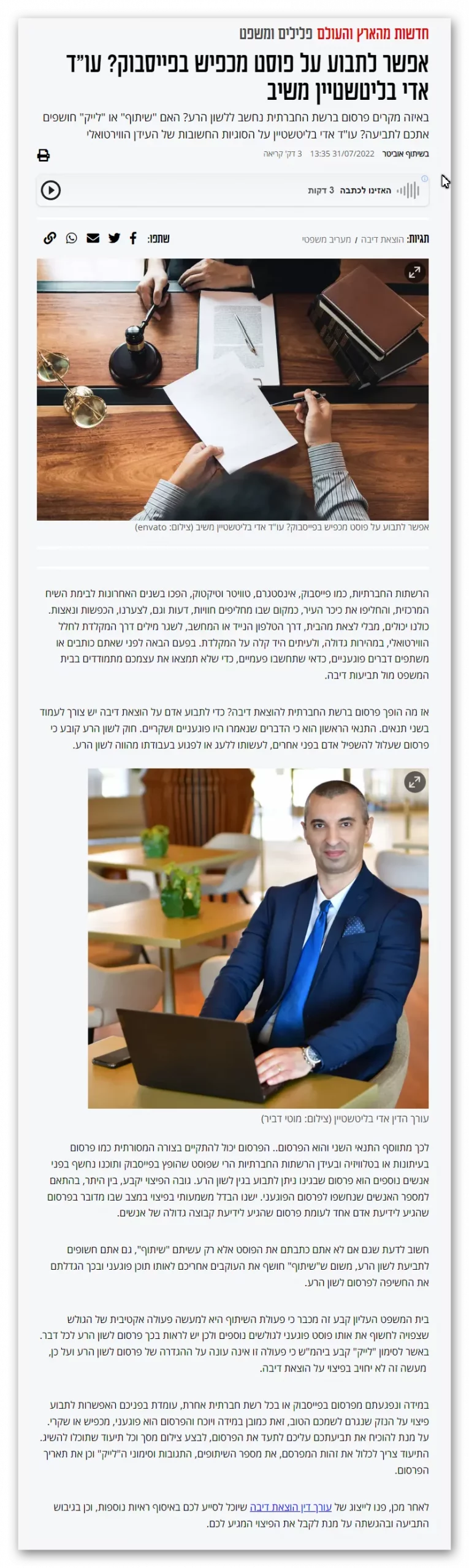
לעומת זאת, המגמה בפסיקה היא לא לחייב בפיצויים אדם שביצע "לייק" לפוסט המהווה שיימינג.

Another way to perform shaming is through WhatsApp groupsThe same principle applies here – the advertiser writes a message to a large group of people with the aim of harming another person. To receive financial compensation, the victim does not have to be a member of that WhatsApp group.
Another option for shaming via the WhatsApp app is to take a screenshot of a conversation that includes private content and post it online or on Facebook, all with the aim of humiliating one of the participants in the conversation.

Does every negative post on Facebook constitute shaming?
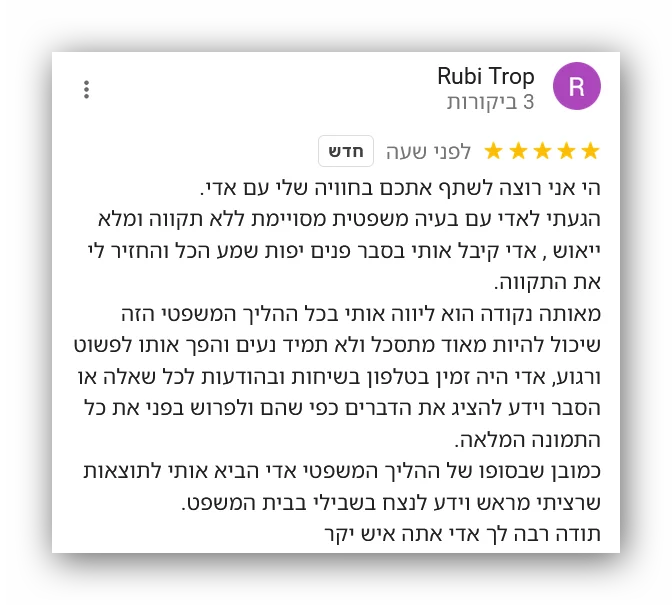
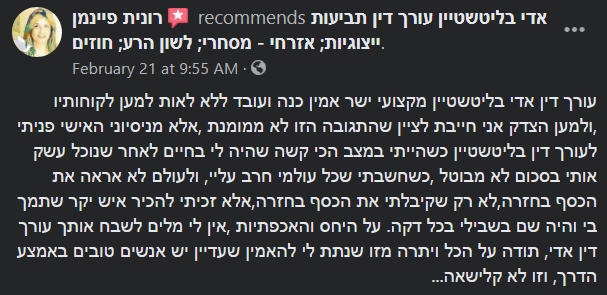
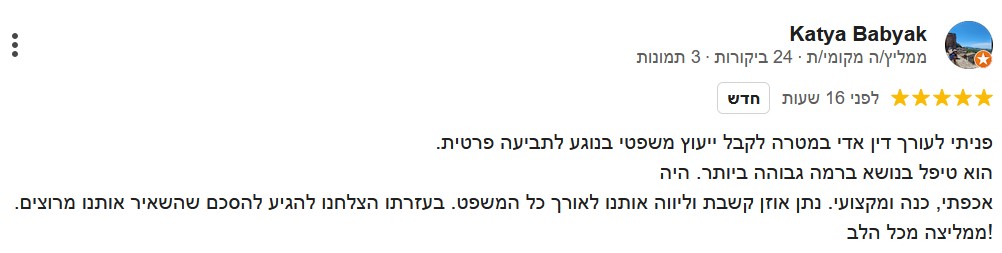
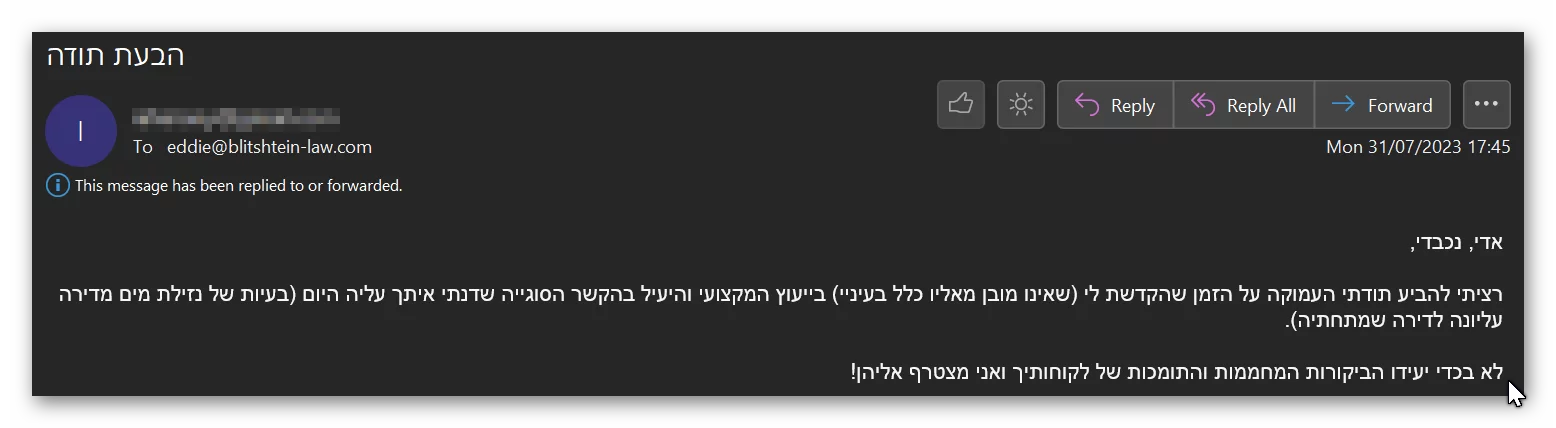
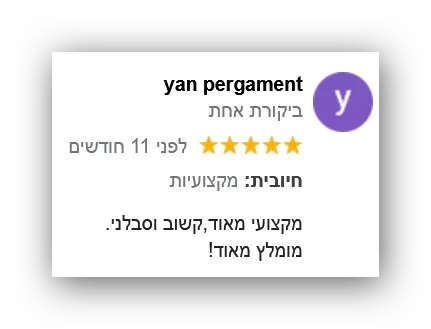
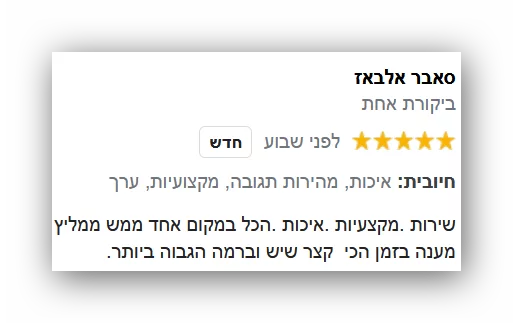
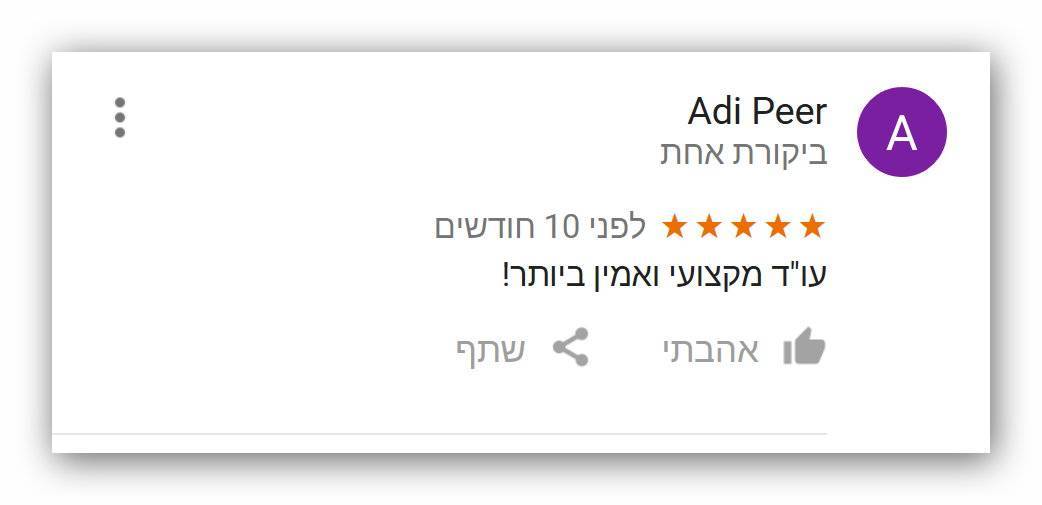
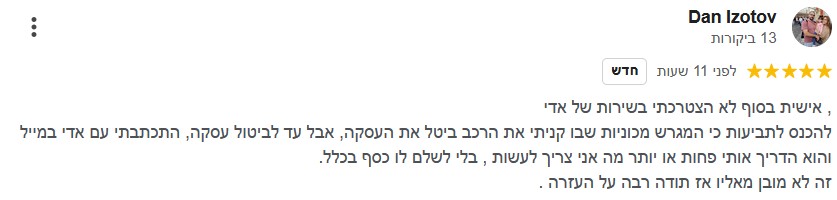
The answer is unequivocally no. This issue comes to the courts when clients write Negative reviews about businesses And businesses are unable to remove the criticism from the Internet.
Naturally, positive or negative reviews can make or break a business, so business owners take these reviews very seriously. When these cases come to court, the judge is forced to balance the customer's freedom of expression with the The business's right to a good name.
Writing a complaint about an individual may also be accepted in court as publication that constitutes shaming.
A rule of thumb for the cautious surfer who wishes to avoid posting or shaming online is to thoroughly investigate all the facts before posting, not to exaggerate or inflate the case, and certainly not to invent data that did not occur.
If you follow this simple rule of thumb, even if it is filed against you claim If you claim online shaming, you will have enough defenses that can be raised in court.
How do you fight shaming?
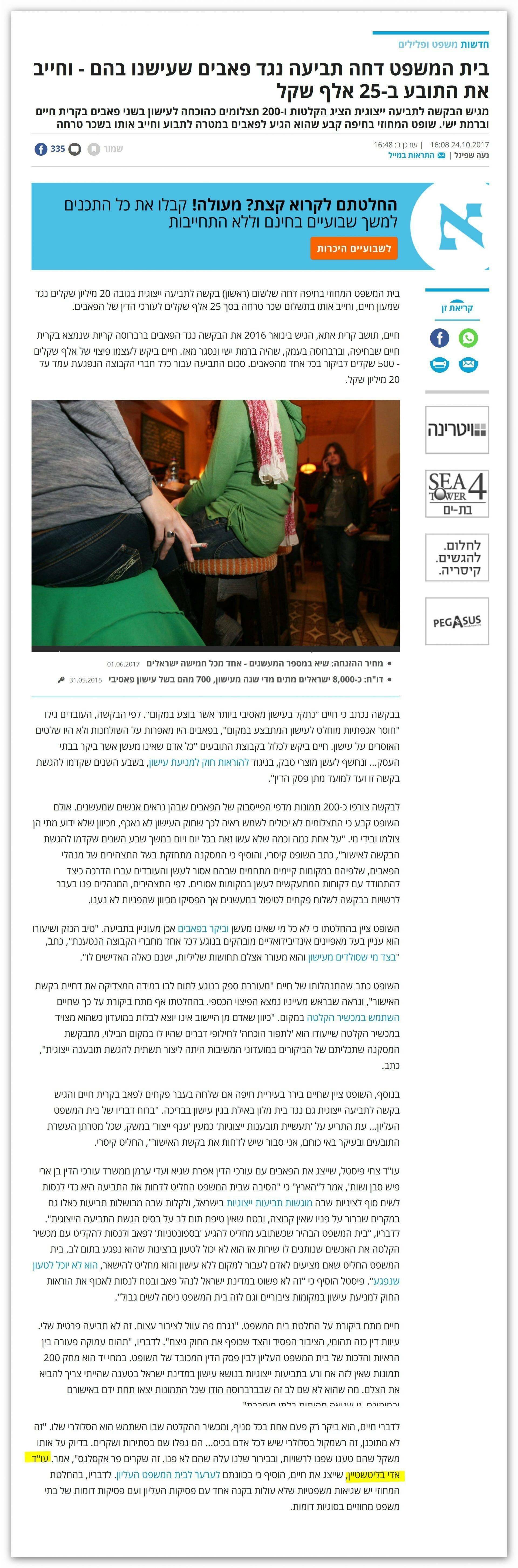
Today, the most common way to combat shaming (whether it is online or offline) is through the Defamation Law. This law was enacted with the aim of combating the phenomenon Libel.
This law defines what constitutes defamation that justifies compensation in court – and in fact it is almost anything that is intended to humiliate a person or harm their livelihood. However, the courts do not award monetary compensation for everyday swearing, even though it may also be offensive and humiliating.
For example; for the curse "Ben *Vena" you will not receive financial compensation, but if someone calls you a Nazi or a fascist you are definitely expected to receive financial compensation.
Naturally, it is not possible to compile an exact list of curses or statements that qualify for financial compensation, and therefore, if you have been harmed as a result of online shaming or if you have received a demand for compensation due to online shaming, it is recommended that you contact and consult with Defamation lawyer.
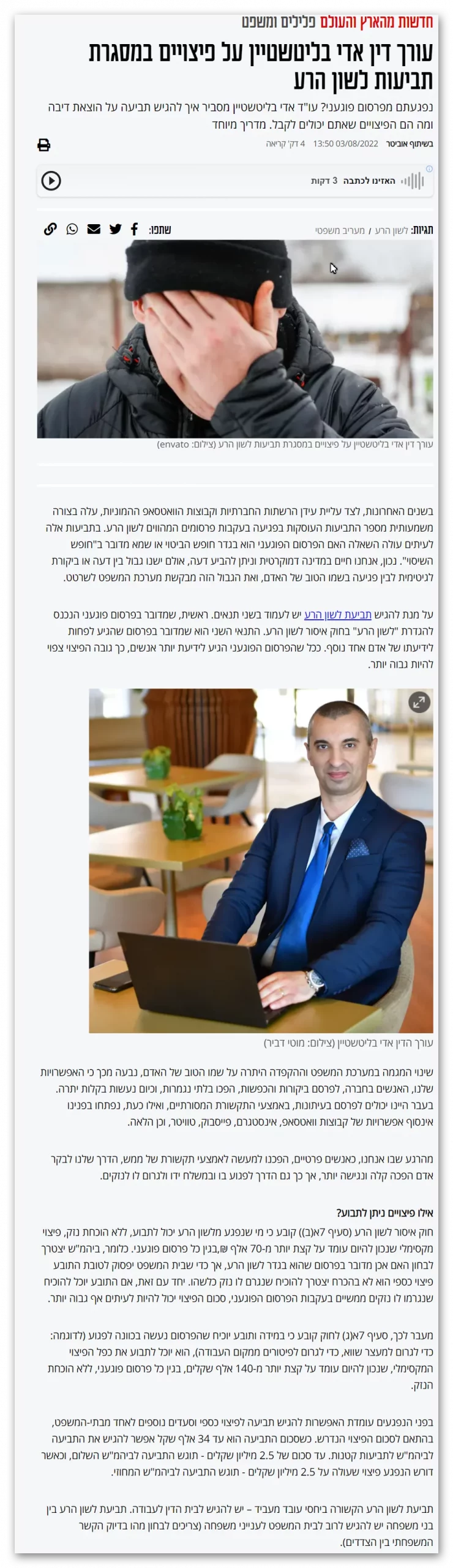
חוק איסור לשון הרע קובע פיצוי כספי גבוה מאוד. נכון להיום כל פרסום פוגעני עשוי לזכות את הנפגע בסכום העולה על 73 אלף ש"ח. לדוגמה; אם המפרסם פרסם את המידע הפוגעני פעם אחת בפייסבוק ופעם אחת בקבוצת וואטסאפ, הנפגע רשאי לדרוש פיצוי בגין שני פרסומים שונים, כלומר סכום העולה על 146,000 ש"ח.

אם הנפגע מצליח להוכיח שהפוגע התכוון לפגוע בו – סכום הפיצוי מוכפל כבר מהפרסום הראשוני. אם נשתמש בדוגמה הקודמת: בגין שיימינג בפייסבוק וביצוע שיימינג בוואטסאפ הנפגע רשאי לדרוש פיצוי כספי העולה מעט על 280,000 ש"ח (קצת יותר מ-140,000 ש"ח בגין פרסום).
It is not enough to claim that there was an intention to harm the goal of winning double financial compensation; this must be proven, but sometimes this is not complicated. For example; in cases where a business writes false information about another business with the aim of getting customers to come to it.
Another example; when a coworker publishes offensive and false information against another employee in order to prevent that employee from being promoted, all with the goal of the publisher being promoted in his place.
Of course, each case must be examined on its own merits and according to its specific circumstances. It is not always worthwhile to claim that there was an intention to harm, especially when there is difficulty in proving this, because the amount of the claim increases the amount of the fee (the court fee is 2.5% of the amount of the claim, and therefore when the amount of the claim is higher, the amount of the fee will necessarily be higher).
What is the amount of compensation accepted in court for shaming?
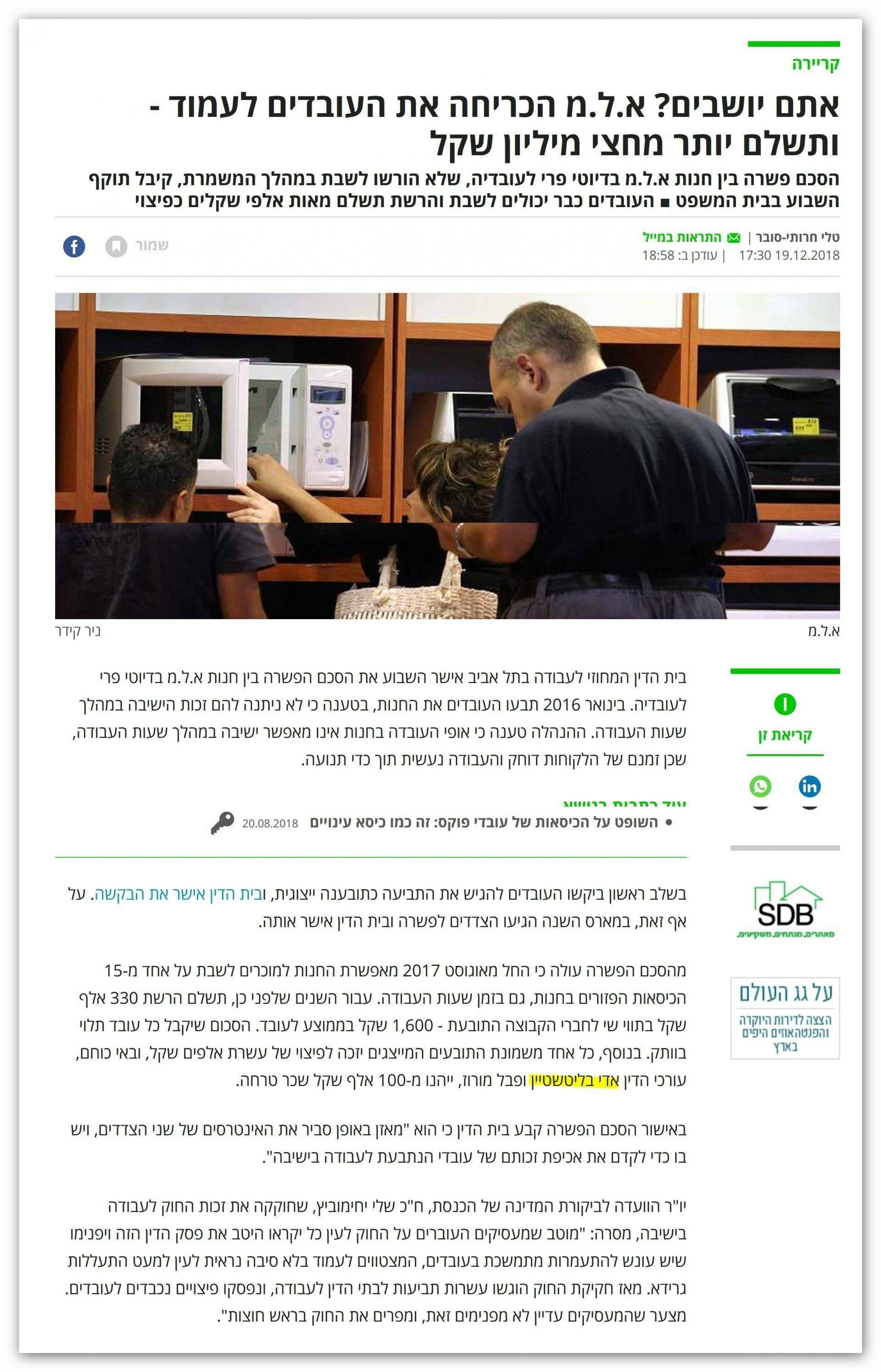
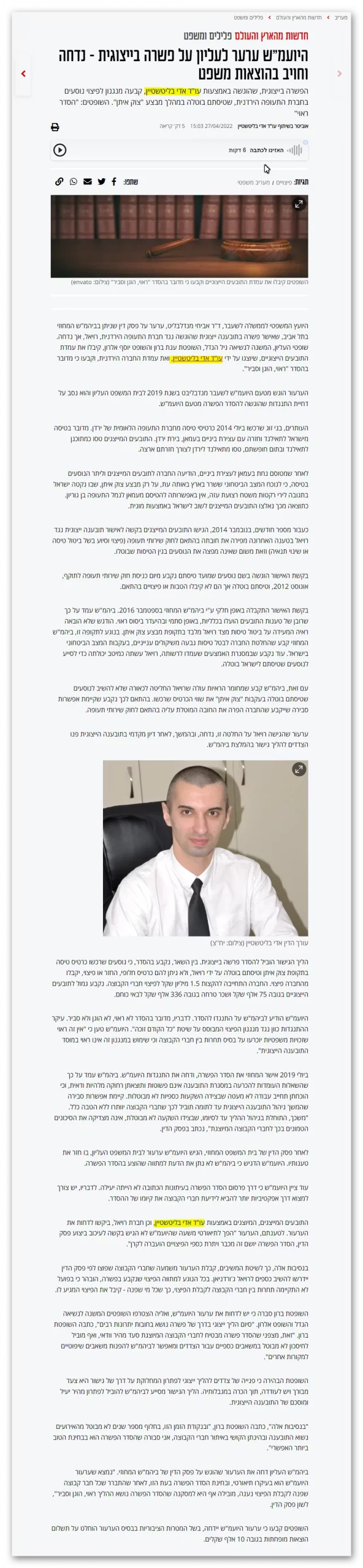
In court, there is no uniform tariff for every offensive statement that constitutes shaming, and each case is examined on its own merits.
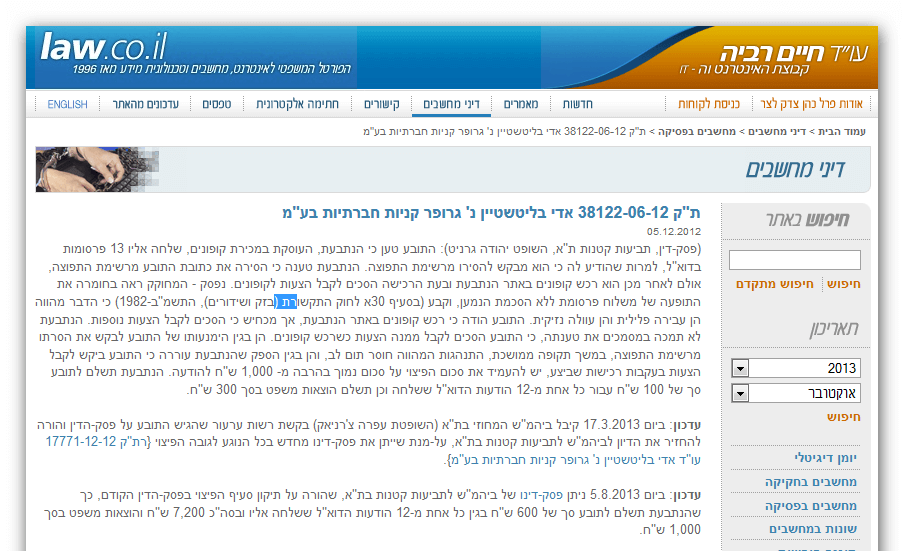
We will present a number of recent cases to make it easier for you to understand. Of course, it is worth reading the full judgments to understand all the circumstances that led the judge to decide on the amount of financial compensation mentioned next to each judgment.
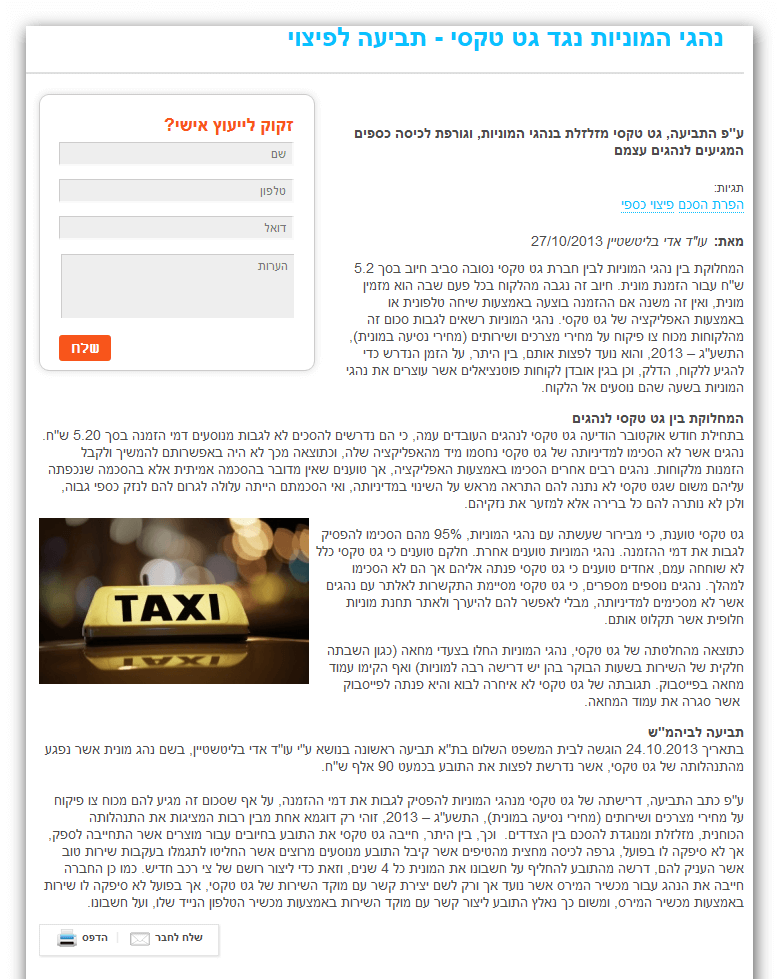
- פרסום פוסט בפייסבוק כנגד רופא – פיצוי 15,000 ש"ח.
- שליחת מייל לקבוצת אנשים עם מידע פוגעני ביחס לאדם אחר – פיצוי 30,000 ש"ח.
- סכסוך בעבודה בעקבות שליחת מכתב לממונים עם מידע פוגעני – פיצוי 30,000 ש"ח.
- פרסום בפייסבוק ואמירה שאדם הוא "שקרן ורמאי" – פיצוי 9,000 ש"ח.
- סכסוך פומבי בין שכנים – פיצוי 60,000 ש"ח.
Have you been harmed by a shaming post? Contact us Defamation lawyer.
Frequently Asked Questions About Online Shaming
-
I was cursed at online. Is this considered online shaming?
This may very well be embarrassing, but it will not necessarily lead to financial compensation after filing a lawsuit. The courts have repeatedly ruled that street swearing and everyday swearing are not grounds for compensation in a defamation lawsuit.
-
What can affect the amount of compensation after posting shaming online or on Facebook?
The severity of the statements and the number of people exposed to those statements that constitute online shaming are the things that may affect the amount of compensation. There is a difference between posting a shaming statement on a forum with ten members and posting a shaming statement on a forum or Facebook group with thousands of users.
-
How much does it cost to file a lawsuit after online shaming?
שכר טרחת עורך הדין מתחלק, בדרך כלל, לשני חלקים. החלק הראשון מהווה תשלום מראש (לפני תחילת הטיפול בתביעה). חלק זה לא יפחת בדרך כלל מסך עשרת אלפים שקלים בתוספת מע"מ. החלק השני הוא אחוזים מסכום הפיצוי שיפסק לטובת התובע (אם אכן יפסק) בסיומו של ההליך.
In addition, it should be taken into account that the plaintiff must also pay a court fee. -
Is it worth filing a small claim for online shaming?
לתביעה קטנה יש יתרונות ויש חסרונות. מצד אחד לא תצטרכו לשלם שכר טרחת עורך דין ואגרת בית המשפט נמוכה יותר לעומת בית משפט השלום. מצד שני, הסבירות שתוכלו לקבל את הפיצוי הכספי שניתן לקבל בבית המשפט השלום נמוכה הרבה יותר. בכל מקרה, תביעה קטנה מוגבלת לסך של כ-37.5 אלף ש"ח (הסכום מתעדכן מעט מדי שנה) כך שמלכתחילה לא תוכלו לתבוע את הסכום המקסימלי בגין שיימינג ברשת כפי שקבוע בחוק איסור לשון הרע.