What is shaming? This is a question that can be answered in many ways. A business owner may see a legitimate and authentic negative review as shaming the business. On the other hand, a customer may not see it as shaming. So what is shaming and is it permissible under freedom of expression?
Definition and interpretation – What is shaming?
The meaning of the word shaming in Hebrew is – shamingThat is, the act of shaming is intended to shame someone.
Wikipedia defines shaming this way:
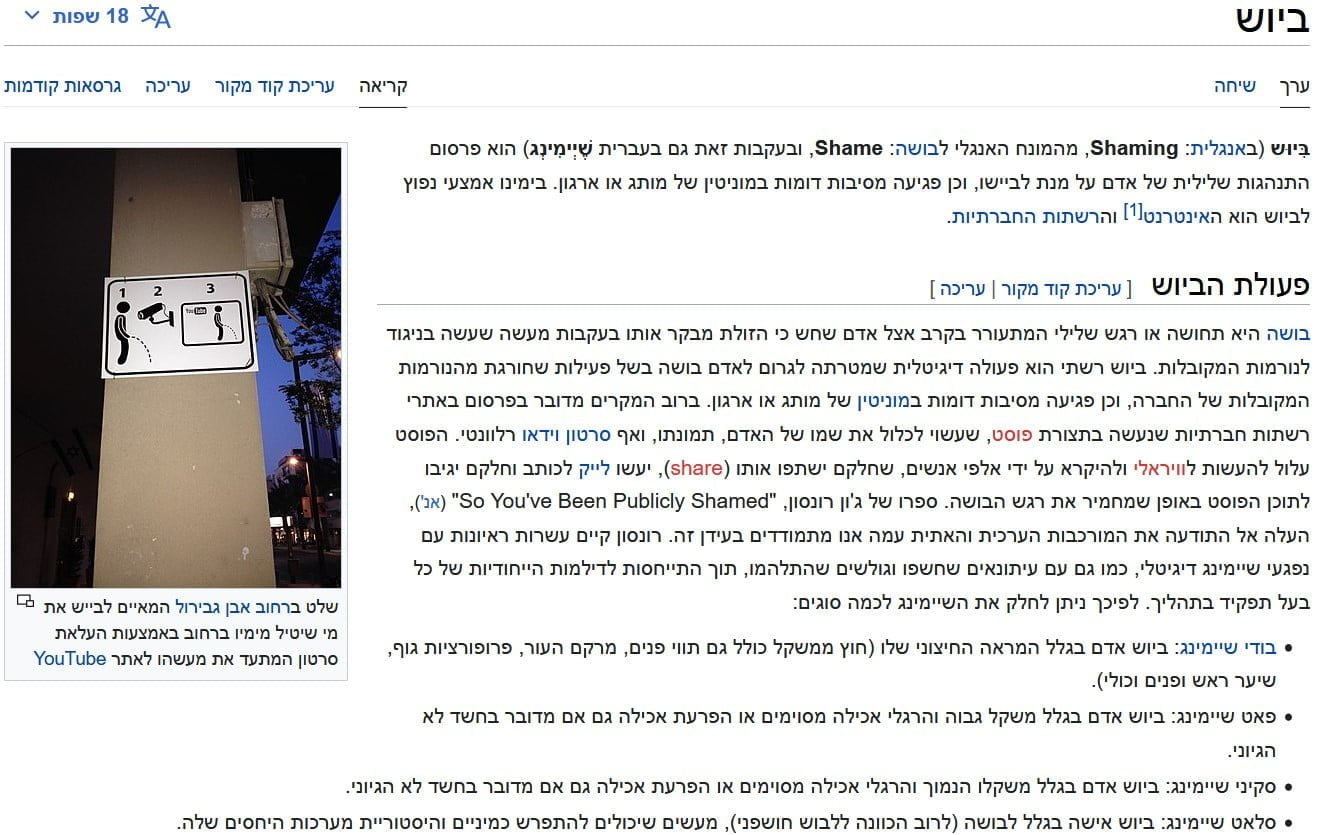
Wikipedia provides an amusing example to help you understand the difficulty that may arise from any advertisement and whether or not it is shaming. In that example, you see a sign warning that if someone defecates near that building, they will be filmed and the video will be uploaded to YouTube. There is no doubt that the person who defecated near that building, was filmed and his video was uploaded to YouTube, would see this as shaming. On the other hand, the people who live in the same area do not want people to use the building as a toilet and may claim that the act of advertising was carried out within the framework of their freedom of expression.

Why is shaming so common these days?
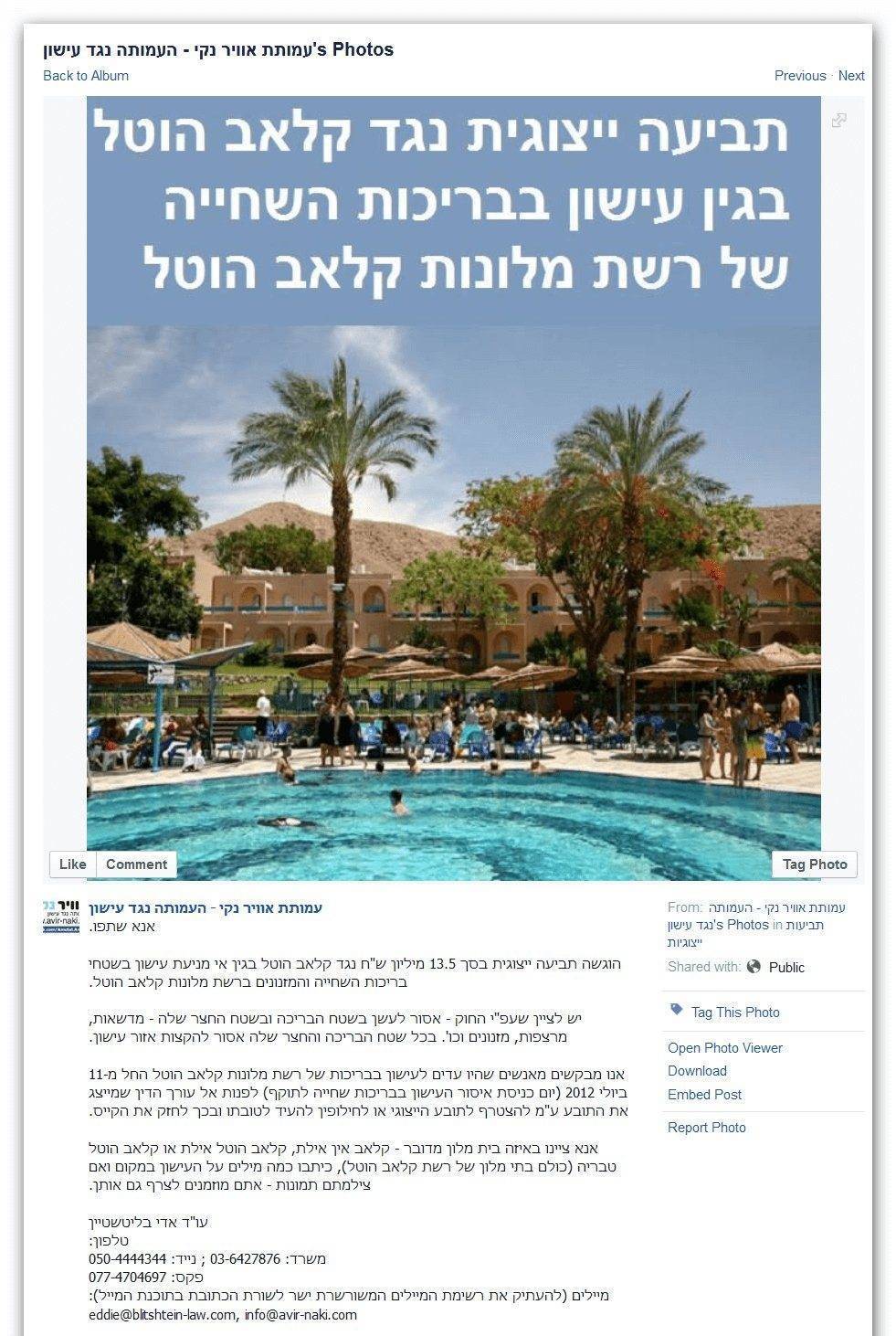
The development of technology has led to the fact that more and more people can connect to the Internet and communicate with each other. First, forums were created, instant messaging programs were used (who still remembers MIRC or ICQ?), and later social networks, including Facebook, also came into our lives. All of these allow for immediate contact with very large groups of people, so that advertising is not limited to just the advertiser's friends or acquaintances.
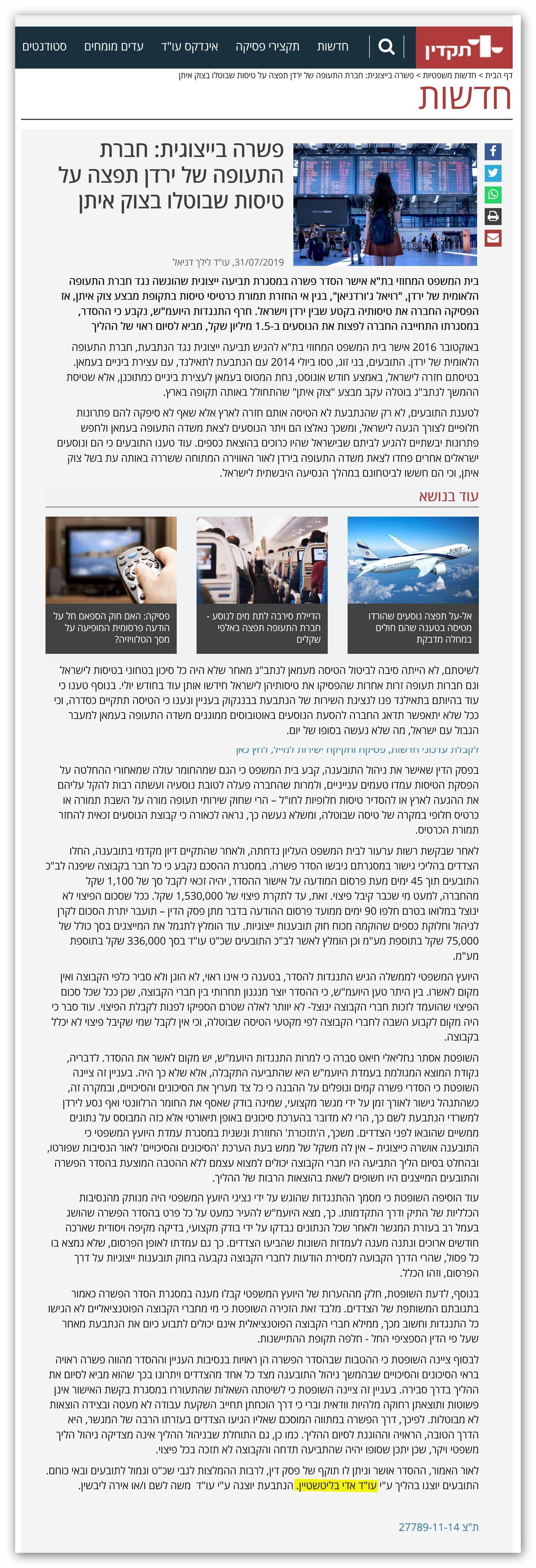
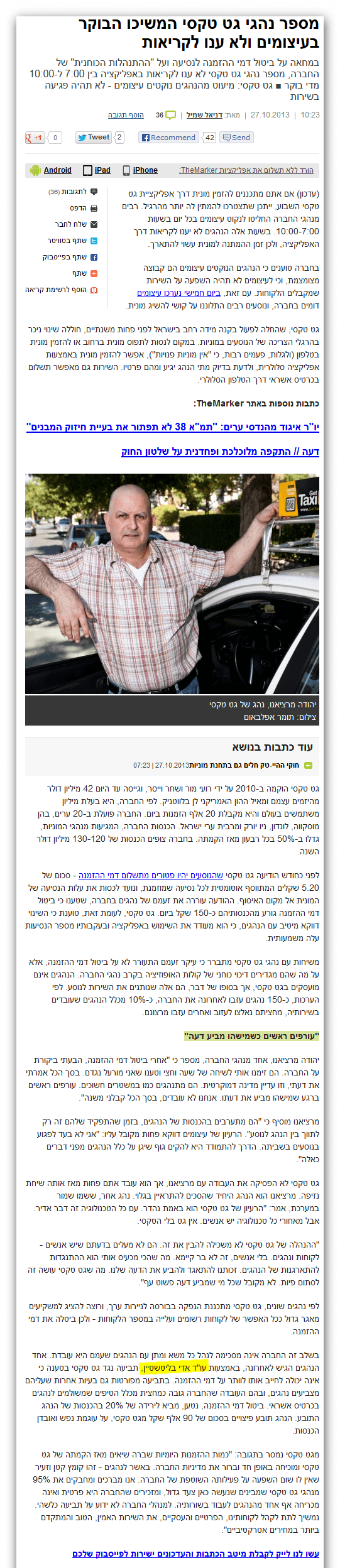
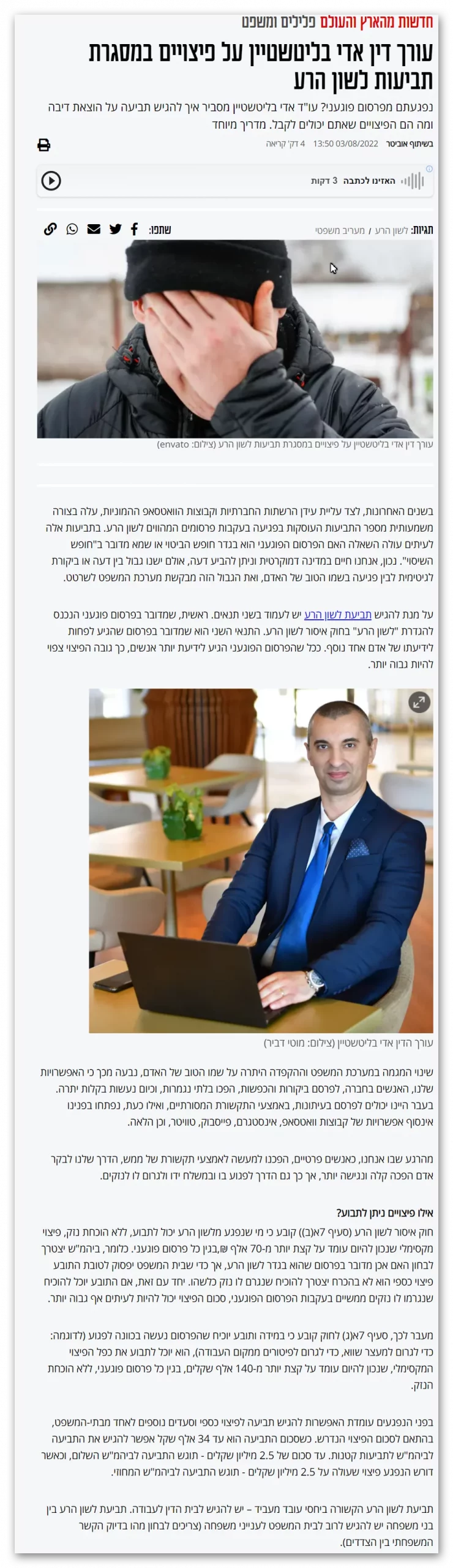
As of today Online shaming or Facebook shaming They are leading factors that all Defamation lawyer Receives many inquiries from both plaintiffs and defendants seeking legal representation in the matter of shaming. The reason for this is that not everyone knows what shaming is and what the legal implications of publishing shaming that is available for public review can be.
אם כולם היו יודעים מה זה שיימינג ושפרסום מידע כלשהו עשוי להוביל נגדם לתביעת לשון הרע שיכולה להגיע גם לדרישת פיצוי כספי בסך 144 אלף ש"ח Without proof of damageApparently, the phenomenon of shaming was much less common in our society.
In practice, people do not know what shaming is and in most cases it does not interest them at all. Sometimes all that matters to those who are shaming is to cause as much harm as possible to the person/company against whom the publication is directed. Sometimes even if people know what shaming is and are aware of the legal implications of the publication, they will still publish the information because it is important to them that the public is aware of the content of the publication, even if a lawsuit is filed against them.
Does freedom of expression affect the question of what is shaming?
חופש הביטוי הוא ערך עליון בחברתנו ומטרתו לאפשר לכל פרט להביע את דעתו ללא חשש. בית המשפט העליון, בפסק דין משנת 2001 חזר והתייחס לחשיבות חופש הביטוי במדינה דמוקרטית. בעניין זה נקבע ברע"א 4740/00 אמר נ' יוסף, בין היתר, כך:
A democratic regime cannot exist without guaranteeing freedom of expression. In Israel, this protection of freedom of expression is also derived from the constitutional protection of human dignity…
…
הנה-כי-כן, השם הטוב וחופש הביטוי נגזרים מאותה זכות "אם" עצמה – מכבוד האדם. שני תאומים אלה – השם הטוב וחופש הביטוי – מתרוצצים בקרבה של הדמוקרטיה. לעתים הם משלימים זה את זה. לעתים הם מתנגשים זה עם זה. חופש הביטוי של האחד פוגע בשם הטוב של האחר. "…עומדת כאן חירות האזרח מול זכות האזרח, דהיינו חירותו להשמיע את אשר עם לבו ולשמוע מה שיש לאחרים להשמיע, כנגד זכותו שלא להיפגע בכבודו ובשמו הטוב…"
…
אכן, האיזון החוקתי שלנו משקף את התפיסה כי הן הזכות לשם הטוב ולפרטיות והן הזכות לחופש ביטוי אינן מוחלטות. כל אחת מהזכויות היא יחסית באופייה, כאשר כל אחת "מוותרת" לרעותה תוך יצירת איזון עדין בין הערכים המתנגשים
In certain cases, even if the publication is clearly shaming, freedom of expression will still take precedence. An example of these cases is when it involves discourse or criticism relevant to public figures or politicians.
יחד עם זאת, גם במקרים אלה בתי המשפט מותחים קו אדום וקבועים שלא ניתן להגיד על אנשי ציבור כל מה שרוצים. כך לדוגמה נקבע בת"א 24312-01-21 חבר הכנסת מיקי (מכלוף) זוהר נ' עמותת חוזה חדש (פסק דין מיום 23.3.2022):
As is known, the law constitutes a balance between two basic human rights in a democratic state, namely the right to a good name and the right to freedom of expression (see the matter Sharansky, paragraph 12).
…
"ערך חופש הביטוי והזכות לשם טוב הם ערכים המצויים במפלס דומה במידרג זכויות האדם. האיזון ביניהם הוא איזון אופקי, המניח יחסיות ביניהם. Within this relativity, freedom of expression takes on special weight when it comes to a public figure and public discourse, given the importance of this value in ensuring a free democratic process.. אולם חופש זה, גם בגדר השיח הציבורי, אינו חופש ללא גבולות. גם בגדרו נמתחים קווים אדומים, שמעבר להם פורש המשפט את הגנתו על כבודו של איש הציבור, ועל שמו הטוב, לבל יהא הפקר. בגדרו של האיזון בין הערכים האמורים, כשהוא מוחל על איש ציבור, יש משקל מסוים גם לעוצמה המיוחדת של פגיעת לשון הרע במי שממלא תפקיד ציבורי ותלוי תלות מוחלטת באמון הציבור לצורך מילוי תפקידו". (פסקה 14)
…
"הערכים המתנגשים בין חופש הביטוי, לבין ההגנה על השם הטוב בהקשר לפגיעה באיש ציבור, מגינים על חופש הבעת הדעה והביקורת בשיח הציבורי, ומחייבים איש ציבור לקבל עליו ביקורת עניינית הוגנת, גם אם היא Harsh, sharp, and even offensive. אולם במסגרת האיזונים בין הערכים הנוגדים, לא ניתנת הגנה לאמירות פוגעניות כנגד איש ציבור במסגרת הגנת "אמת הפרסום" If they are statements of a factual nature that are not trueEven if there is a public interest in the publication, even if they are an expression of opinion about a public figure – as opposed to a statement of fact about him – they will not be protected. If they were said in bad faith. השיח הציבורי זוכה להגנה רחבה במשטר דמוקרטי, אך הוא אינו חסין מפני כל פגיעה שהיא בכבודו של אדם, ובכלל זה איש הציבור".
In the same ruling, the court also emphasized that during the election period, what constitutes shaming becomes a more difficult question because it is an especially sensitive period in which offensive advertising receives broader protection.
Freedom of expression usually prevails when it involves a curse or an unpleasant statement.
בית המשפט המחוזי התייחס לשאלה מה זה שיימינג והאם חופש הביטוי גובר כאשר מדובר בגידוף. בעניין זה נקבע בע"א 10265-12-21 ניסים זמיר נ' שמואל סעדיה (פסק דין מיום 27.2.2022) כך:
There is an inherent tension between freedom of expression and the right to a good name. A person's right to express themselves ends where their expression harms others. However, not every offensive expression will cross the line between what is permitted (freedom of expression) and what is prohibited (defamation).. דבריו של המערער כלפי המשיב ("על הפנים מפסידן") בהחלט אינם נעימים לאוזן, אלא שלהבנתי לא ניתן לראותם יותר מאשר דברי גידוף או קללה שיצאו מפיו של המערער כלפי המשיב, שאינם מגיעים כדי הוצאת דיבה.
Freedom of expression in cyberspace
במסגרת פסק דין בת"א 57398-11-16 סולו איטליה בע"מ נ' ורד בוטגה (פסק דין מיום 12.1.2020) בית המשפט בחן מה זה שיימינג והאם יש הבדל בין שיימינג בעיתון לשיימינג בעמוד האישי בפייסבוק. בין היתר נקבע כך:
ביישום החוק ב"שינויים המתחייבים" לגבי פרסום במדיום המרחב והווירטואלי, גישת בתי המשפט מלמדת שנקודת האיזון בין חופש הביטוי לזכות לשם טוב נוטה לעברו של חופש הביטוי וכי הרף לגבי פרסום שנעשה ברשתות חברתיות, בפייסבוק ובפורומים מוצב במקום גבוה מזה בו הוא ניצב לגבי בפרסומים במדיה המסורתית, בכל הנוגע לערך ולמשקל שיינתנו לפרסום. לדעה זו אני שותפה.
In a comprehensive ruling recently issued by Judge A. Goldkorn in the matter of T.A. (C.I.) 63077-06-15 איי פאב בע"מ נ' זסלבסקי (פורסם בנבו, 14.11.19) (להלן: "The matter of pubs") סוקר בית המשפט את הילוכה של הפסיקה בנוגע לפרסום במרחב הווירטואלי והצורך להתאמה הנדרשת לגבי פרסום זה, וקובע את הדברים הבאים:
משמעותם של "שינויים מתחייבים" שנקבעו בעניין מור ושל התאמה לעידן המודרני, כאמור בעניין סרנה, ככל שמדובר בפרסום בעמוד האישי ב"פייסבוק", הינה הזזת נקודת האיזון בין חופש הביטוי לזכות לשם טוב לעברו של חופש הביטוי. כך, למשל, אותו ביטוי שפרסומו בעיתון יומי ייחשב כ"לשון הרע", עשוי שלא להיחשב ככזה אם הוא פורסם בעמוד אישי ב"פייסבוק" ((Paragraph 13 of the judgment).

In conclusion – what is shaming?
What is shaming? This is not a simple question because it depends on the eye of the beholder. Most often, shaming is an offensive statement or publication, but not all shaming will entitle the victim to financial compensation under the Defamation Law.
When the court examines what constitutes shaming, it will also examine the question of what prevails – freedom of expression or protection of the victim’s good name. The answer will not always be one way or the other and it depends very much on the circumstances. For example: there is a tendency to allow greater freedom of expression when it comes to criticism or discourse relevant to public figures or politicians.
In any case, in order to examine the question of what shaming is and whether shaming was indeed carried out in the case relevant to you, which could entitle you to financial compensation, it is always recommended to consult with Defamation lawyer experienced.
Frequently asked questions about what is shaming?
-
Are curses shaming?
Everyday street swearing can indeed shame another person, but even if it should be considered shaming, it will not usually lead to financial compensation in a defamation lawsuit.
-
What is shaming that will lead to financial compensation?
כל שיימינג שנכנס להגדרת "לשון הרע" הקבועה בחוק איסור לשון הרע עשוי להוביל לפיצוי כספי.
In many cases, these are statements or actions attributed to the victim, when that victim did not perform or say the actions or statements attributed to him.
For example: publicly calling someone a pedophile will lead to financial compensation (in cases where it is a lie). -
Do I need a lawyer to file a lawsuit for shaming?
Theoretically, it is possible to file a small claim for shaming, but this is not recommended because it is not possible to demand the maximum amount of compensation stipulated in the Defamation Prohibition Law in a small claim.
-
How long does a lawsuit for shaming take?
Insofar as it concerns a lawsuit for shaming that is filed with the Magistrate's Court (where most lawsuits for shaming are filed) - the procedure usually lasts more than a year.