Conducting a video conference in court (video conferencing) is an exception, despite the development of technology today. Even today, the rule is that a party to a legal proceeding must come to court and give his testimony in person. However, like any other rule, there are exceptions to this rule, and in practice, cases can be found in court rulings in which approvals are given for conducting a video conference in court.
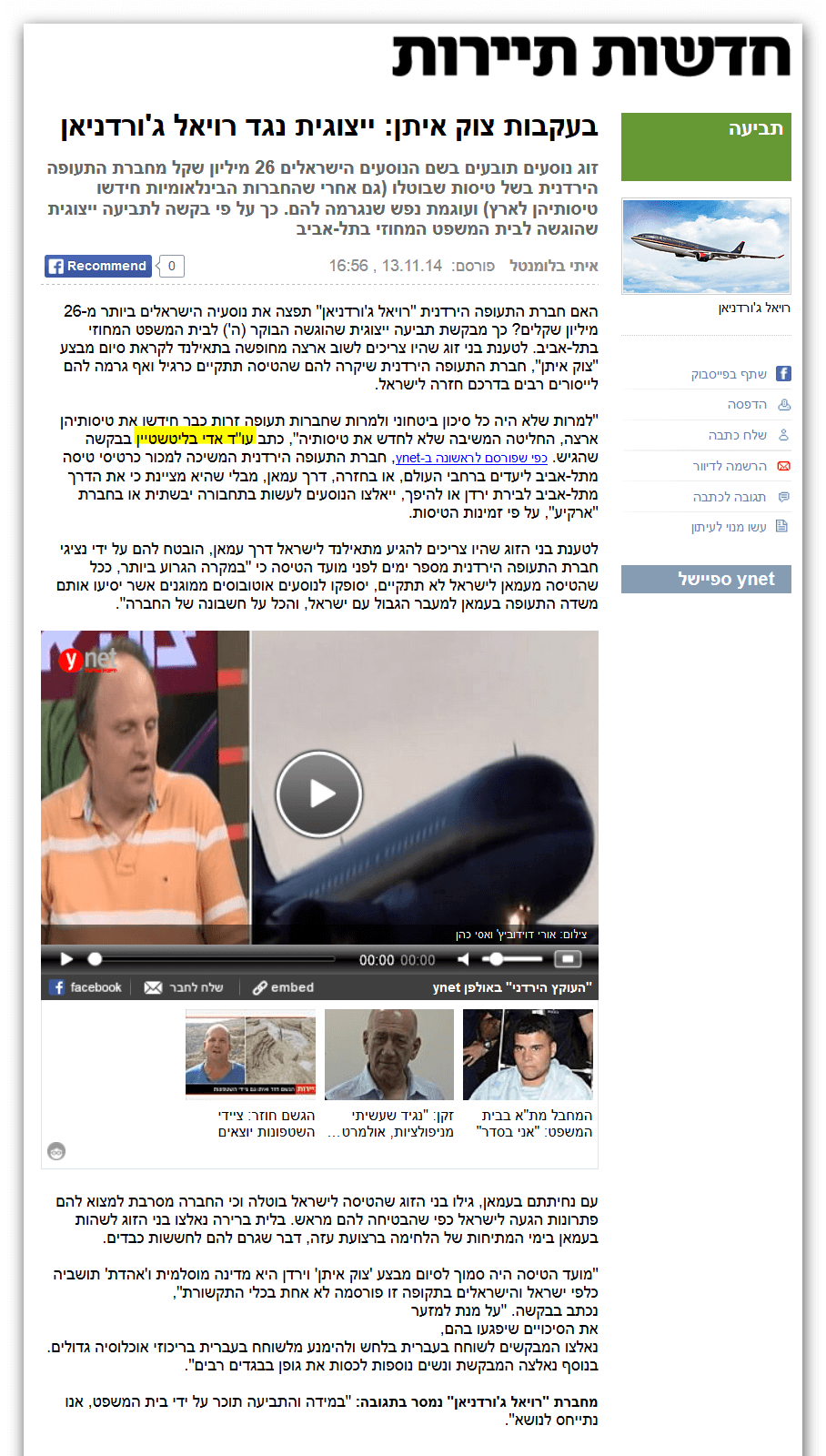
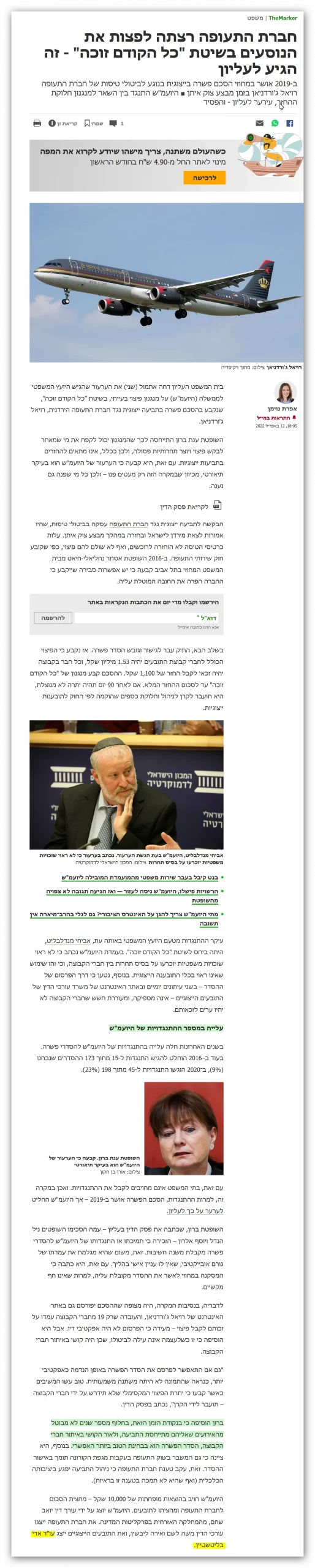
This issue was particularly relevant during the COVID-19 pandemic because in some of the legal proceedings that were conducted in Israel, the litigants were not Israeli citizens and/or had not been in Israel. In light of the crises in the aviation industry, it was not at all clear whether and when those litigants could arrive in Israel. Furthermore, in light of the uncertainty that prevailed in those days in the aviation industry, it was not at all obvious that a person who would arrive in Israel for the purpose of a legal proceeding (Financial claim, Civil lawsuit or Class action lawsuit), will be able to return to the country from which he came at the conclusion of the hearing.
By what authority can video conferences be conducted in court?
Court rulings allow execution Video conference In court under Section 13(a) of the Evidence Ordinance, which states as follows:
Upon the application of a party in a civil case, the court may, if it appears necessary in the interests of justice and under such conditions as it may direct, order that a witness or any other person be examined in affidavit by a particular person and at a particular place outside the jurisdiction of the court, and the court may give such directions as it may deem reasonable and just as may be necessary in connection with such examination, and it may permit any party to submit the minutes of the testimony as evidence in that trial.

Today, giving testimony through visual conference is also regulated within the framework of Regulation 72 of the Civil Procedure Regulations, which states as follows:
Testimony in visual conference
A. The court may permit the hearing of testimony by way of visual conference within the territory of the State of Israel or outside it, according to instructions it may give, if it is satisfied that the following conditions have been met:
- The witness's arrival at the court where the lawsuit in which he is required to testify is being heard would be very difficult for him, and he gave his consent to testifying in this manner;
- The witness's testimony is essential to the disputed questions;
- There is no impediment from the foreign country's perspective to hearing testimony in this manner within its territory.
B. Visual conferencing will be possible if the place where the witness will give his testimony and the courtroom where the claim is heard include, among other things –
- Equipment that allows a witness to see and hear during his testimony what is happening in the courtroom where the claim in which he is required to testify is being heard, if the court finds this necessary in the circumstances of the case;
- A camera that allows close-up photography of documents;
- A central viewing screen in the courtroom as well as a personal viewing screen for the judge.
C. The Director of Courts may order technical requirements regarding the means required for hearing testimony in a visual conference.
In what cases will video conferencing be approved in court?
במסגרת ערעור הגיע מקרה העוסק בקיום היוועדות חזותית בבית משפט, לבית המשפט המחוזי. בית משפט השלום דחה את הבקשה לקיום היוועדות חזותית (וידאו קונפרנס) אך בית המשפט המחוזי ביטל את ההחלטה וקבע כי בנסיבות הרלוונטיות למקרה יש להתיר היוועדות חזותית בבית משפט (רע"א 16228-04-20 דניאל שלום נ' דנה קוסמטיקס בע"מ, החלטה מיום 2.7.2020).

Among other things, the court ruled as follows:
גביית עדות באמצעות כינוס וידאו, פירושה באמצעות חיבור וידאו המאפשר, "בזמן אמת", תמסורת של קול ותמונה כאחד. זהו אמצעי alternative To collect evidence.
The default and the option The best היא כי גבייתן של עדויות תיעשה לפני ביהמ"ש הדן בהליך המשפטי. באופן זה, נשמרת זכותם של בעלי הדין לחקירה נגדית, וכן ביהמ"ש יכול להתרשם באופן בלתי אמצעי מן העדים (ממהימנותם ומדבריהם), לנהל את הדיון כיאות, ואף להפעיל אמצעי אכיפה כדי להבטיח התייצבות העדים ועל מנת שאלה ישיבו על השאלות המוצגות בפניהם כיאות (ראה בעניין זה: רע"א 7998/18 כהן נ' חברת החשמל לישראל בע"מ, [Published in Nevo] Sections 15-16 of the decision of the Honorable Justice Y. Wilner (5.3.19).
הפסיקה ראתה בסעיף 13 לפקודת הראיות (נוסח חדש), התשל"א – 1971 שכותרתו "גביית עדות על ידי שלוח במשפט האזרחי" The source of authority to collect testimony in a civil trial outside the country via video conference (but see the dissenting opinion of the Honorable Justice A. Grunis according to which the source of authority is found in Regulation 15 of the Legal Aid Regulations 1999 in the Dori case)
The interpretation given in the ruling to Section 13 (a) in the context of testimony through video conference is a restrictive interpretation.
It was determined that the applicant must prove that his application to the court was made in good faith; that the testimony is relevant to the disputed questions; and that there is a good reason preventing the witness from arriving for questioning in Israel.
Among the reasons recognized in the ruling as good reasons for avoiding coming to testify in Israel were, as stated, health reasons, the security situation in the country, and previous commitments of witnesses from which they cannot be released.
לעומת זאת, נקבע כי חשש מהליך פלילי או שמא תעוכב יציאתו של העד מישראל על ידי נושיו אינו סיבה טובה להתיר עדות מחוץ לתחומי המדינה (בר"ע 109/68 רייך נ' המר פ"ד כב (2) 306, ע"א 397/87 לוי נ' בנק דיסקונט לישראל בע"מ, פ"ד מד (2) 397, ע"א 7516/02 פישר נ' יוכמן, פ"ד ס (1) 69) וכך גם טעמים הנעוצים במצבו הכלכלי של העד.
As a general rule, it has been determined in a Dori matter that each case must be examined on its own merits according to its circumstances and that no generalities should be established.
"ככל שהעדות חשובה ומרכזית יותר וככל שהבאת העד לבית המשפט כרוכה
The greater the difficulties or the greater the harm to the witness, the more the court will be inclined to allow testimony in visual evidence.
In certain circumstances, the court will also be required to consider whether there is a concern that allowing testimony in a visual conference will lead to harm to the public interest or public policy…
הטעם שביסוד הבקשה אינו עומד לבדו ובכל מקרה יהא על בית המשפט להציב מולו את הפגיעה האפשרית בהליך ובצד שכנגד.". (סעיף 19 -21 בעניין דורי)
בהמשך, ביהמ"ש העליון עמד על כך שקיימת חשיבות מועטה יותר מבעבר (הכוונה כאשר חקירת עד מחוץ לתחום השיפוט הייתה נעשית באמצעות תצהיר – סעיף 14 לפסה"ד) לשאלה אם המבקש להעיד בהיוועדות חזותית הוא עד או בעל דין מעונין אם כי יש עדיין מקום להחמיר (באופן יחסי) עם תובע המבקש כי עדותו תגבה בהיועדות חזותית שהרי זו אינה הדרך האופטימלית לגביית עדות ואינו פטור מאחריות כיוזם ההליך המשפטי, חרף האמצעים השונים לגביית עדותו באופן קל יותר.
…
למרות זאת אינני סבורה, כי בבקשה להתיר עדות באמצעות היוועדות חזותית על בית משפט לשקול שיקולי אכיפת חוקי הגירה של מדינה אחרת. המבקשת נמצאת בארה"ב ובית משפט בישראל לא מנע ולא מונע מהרשויות בארה"ב לאכוף את החוק האמריקאי על המבקשת בשום תחום שהוא.
עובדתית, ככל שהמבקשת תגיע להעיד בישראל, היא לא תוכל לחזור לארה"ב, שם נשארים ילדיה And this is a reason that justifies an exception to the rule, whereby a litigant testifies not through visual evidence..
בפועל, הבחירה במקרה דנן היא בין הגעה לעדות לישראל – צעד שימנע שובה של המבקשת לארה"ב שם נמצאים ילדיה ובין ויתור על תביעתה.
אין במקרה דנן אפשרות שלישית – "דרך ביניים" ולפיה תגיע המבקשת לישראל לצורך מתן עדות ולאחר מכן תשוב לארה"ב.
I believe that, under the circumstances, the difference in the global aviation situation as a result of the coronavirus pandemic should not be ignored.
…
The improvement in technology that enables visual conferencing can also be taken into account. The ruling from the early 2000s that was mentioned was given based on the technological capability that existed at the time, and the Corona period has sharpened the technological improvement in the field.
In light of all the data, I believe that the doors of the court should not be closed to the plaintiff simply because of her inability to come to Israel to testify, and that there is a case for allowing the plaintiff and the witness on her behalf to testify by way of visual conference.

In conclusion
The rule is that the litigant must appear for the hearing in court. However, technological changes now allow a litigant to request that the hearing be held via video conference.
לא בכל מקרה בית המשפט יעתר לבקשת בעל דין לא להגיע באופן אישי לדיון ולקיים את הדיון באמצעים טכנולוגיים. הטעם לכך יהיה, לרוב, שהייה קבועה בחו"ל (לדוגמה: אם התובע או הנתבע אינם אזרחים ישראליים).
It is important today to be familiar with the provisions of Regulation 72 of the Civil Procedure Regulations in order to understand the conditions for approving a party's request to hold the hearing by technological means and not physically appear in court.
Frequently Asked Questions About Video Conferencing
-
Is it possible to hold a discussion through video conferencing instead of physically arriving?
yes.
The court must be convinced that the litigant complies with the provisions of Regulation 72 of the Civil Procedure Regulations. -
Do we have to pay for the discussion to be held via video conferencing?
If the court allows a hearing to be held using technological means, it also determines who bears the costs, the party who requested it or whether it will take place at the court's expense.
-
Can someone who is in Israel also request to hold the discussion using technological means?
Theoretically, this is possible, but the litigant will have to present weighty reasons for this. For example: an illness or physical disability that prevents him from coming to court.
-
Do we need to coordinate something with the secretariat to hold a discussion using technological means?
Unless the court determines otherwise, there is no need to coordinate anything.