What is a silent killer?
Estoppel is a legal claim that prevents a litigant from discussing the same factual or legal matter that has already been discussed and decided in another proceeding.
For example: submitted Lawsuit against a lawyer for Professional negligenceThe plaintiff won but is not satisfied with the amount of compensation, and therefore decides to file another lawsuit for the exact same matter. The defendant will be able to claim that there is a stymie (and also Court action).
Conditions for the existence of a silent group
In order to be able to claim the existence of a silent partnership, four conditions must be met:
- The identity of the company in its factual and legal components;
- The existence of litigation in the same company in the first proceeding;
- The end of the litigation with a decision in which the court determines a positive finding on that particular allegation, as opposed to a determination that the allegation was not proven;
- The aforementioned decision was essential for the judgment in the first proceeding (as opposed to a marginal decision that was unnecessary for establishing the judgment in the lawsuit).
It is enough that one of the conditions is not met and it will be possible to argue that the silencing of the Plutarch does not occur.

What is a muted reason?
Silence a cause based on the principle of exhaustion of causes. This is a legal claim that establishes a procedural barrier to discussing the same legal claim that has already been raised in another proceeding, Or it could have been raised in the same procedureThe purpose of this silence is to prevent repeated harassment of a litigant on various legal grounds.
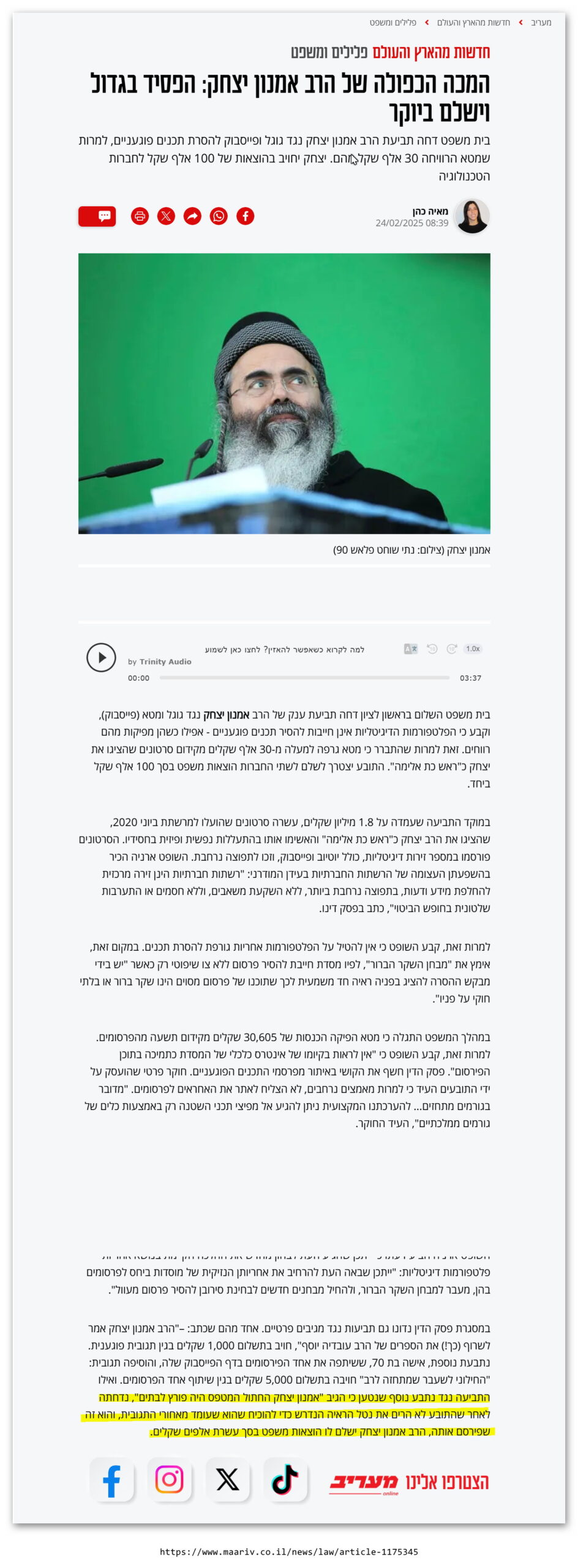
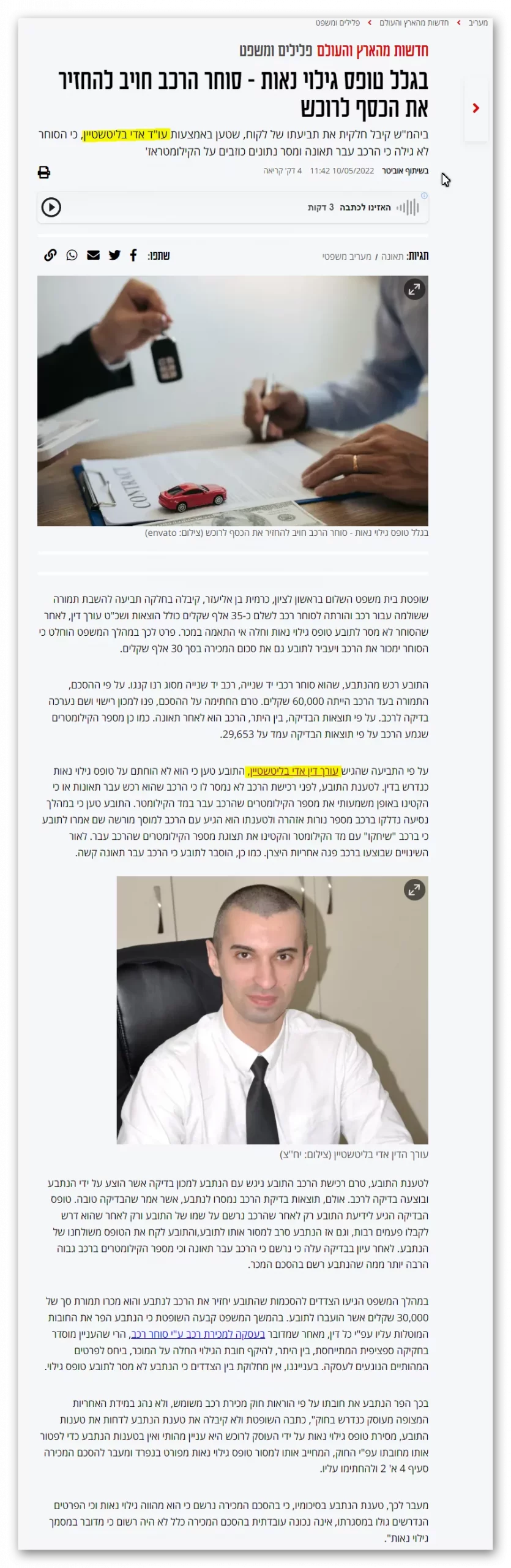
For example: A buyer of a used car submitted Lawsuit against a car dealer for Breach of contract, and after winning, decided to file a claim for additional damages to the vehicle he purchased, which were known to him before the first claim was filed. In such a case, the car dealer could claim that there was a bar to the cause and it would not be possible to investigate the second claim, and it is very likely that it You will be dismissed outright..
It is important to know that the rule of estoppel does not only apply to the litigants who actually participated in the first proceeding, but also to their substitutes who may represent them in the later proceeding.
Supreme Court ruling on the matter of silencing Plogta
רע"א 9771/16 נובל אנרג'י מדיטרניאן לימיטד נ' משה נזרי:
השתק הפלוגתא הוא ראש אחד של הכלל הדיוני בדבר "מעשה בית דין" ולפיו לא ניתן לשוב ולדון בפלוגתא שכבר נדונה והוכרעה בהתדיינות קודמת בין בעלי דין אף אם עילות התביעה שונות זו מזו בכל אחת מן ההתדיינויות, וזאת משיקולי יעילות ועל מנת למנוע הכרעות סותרות בפסקי דין שונים (נינה זלצמן מעשה בית דין בהליך אזרחי 137 (1991) (להלן: זלצמן)).
הפסיקה קבעה ארבעה תנאים מצטברים אשר בהתקיימם יחול הכלל בדבר השתק פלוגתא: א. הפלוגתא זהה מבחינה עובדתית ומשפטית לפלוגתא שנדונה בהליך הראשון; ב. הפלוגתא הוכרעה בהליך הראשון ונקבע לגביה ממצא פוזיטיבי; ג. הממצא שנקבע בהליך הראשון היה חיוני להכרעה בה; ד. קיימת זהות (או "קרבה משפטית") בין בעלי הדין בשני ההליכים (ראו: ע"א 9211/09 איזוטסט בע"מ נ' ד"ר דריזין, בפסקה 10 (4.7.2012) וההפניות שם (להלן: עניין איזוטסט); ע"א 9656/08 מדינת ישראל נ' סעידי, בפסקה 18 (15.12.2011) וההפניות שם (להלן: עניין סעידי); אורי גורן סוגיות בסדר דין אזרחי 202-201 (מהדורה שתיים עשרה, 2015) (להלן: גורן). ראו והשוו: זלצמן, בעמ' 141).
בכל הנוגע לתנאי הראשון נפסק כי אין די בדמיון בין שתי הפלוגתאות ונדרש כי תתקיים "זהות של ממש" ביניהן (רע"א 10353/05 צרפתי צבי בע"מ נ' עיריית מודיעין, בפסקה ו' (17.8.2006); גורן, בעמ' 202; זלצמן, בעמ' 147). אשר לאפשרות שפסק דין שניתן בעתירה לבג"ץ ייצור השתק פלוגתא בהליך אזרחי – כנטען בענייננו – נפסק כי ככלל אין מניעה להחיל כלל זה (להבדיל מהשתק עילה) על מקרים כאמור (עניין איזוטסט, בפסקה 10; גורן, בעמ' 202), ואולם יש לבחון האם, בשים לב להבדלים בין סדרי הדין בהליכים השונים, התאפשר לבעלי הדין להעלות את הטענות הרלבנטיות במסגרת עתירתם לבג"ץ והאם נערך הבירור העובדתי הנדרש (עניין סעידי, בפס' 18).
משראינו כי אין מניעה עקרונית להחלת הכלל של השתק פלוגתא בהליך אזרחי במקרים שבהם פסק הדין הראשון ניתן בהליך של עתירה לבג"ץ, יש לבחון האם בנסיבות המקרה שלפנינו אכן קם בעקבות פסק הדין בבג"ץ מתווה הגז השתק פלוגתא ביחס להליך דנן.
רע"א 8798/16 מאזן דוויק נ' זרביב מרדכי:
את הכלל העיקרי בדבר השתק פלוגתא ניתן לסכם בדברי הנשיא ש' אגרנט, שנאמרו לפני כחמישים שנה ולא נס ליחם: "אם במשפט הראשון הועמדה במחלוקת שאלה עובדתית מסוימת, שהייתה חיונית לתוצאה הסופית, והיא הוכרעה שם, בפירוש או מכללא, כי אז יהיו אותם בעלי-הדין וחליפיהם מושתקים מלהתדיין לגביה מחדש במשפט השני, חרף אי-הזהות בין העילות של שתי התביעות" (ע"א 246/66 ש' ו-ר' קלוזנר נ' ר' שמעוני, פ"ד כב(2) 561, 584 (1968)).
כאמור, הזרקור מופנה אל שאלת החיוניות, קרי האם הקביעה שנקבעה במשפט הראשון הייתה "חיונית לתוצאה הסופית". על התכליות שביסוד תנאי זה נכתבו הדברים הבאים על ידי המלומדת נינה זלצמן: "תנאי זה נעוץ בטעם ליצירת המניעות, דהיינו, אם הייתה ההכרעה בפלוגתא האמורה חיונית לצורך ההכרעה במשפט הראשון, חזקה על בעלי-הדין שהביאו לפני השופט באותו משפט את כל ראיותיהם והשמיעו בו את כל טענותיהם לגביה, ולכן, לא מן הראוי שיעוררו את המחלוקת בגינה מחדש, אפילו אם באים לפני בית-משפט בעילה שונה.
יתר על כן, אם הייתה ההכרעה בפלוגתא האמורה דרושה לצורך ביסוסו של פסק הדין, חזקה על בית המשפט שנתן דעתו על כל פרטיה והקפיד בהפעלת שיקול דעתו השיפוטי לצורך קביעת הממצא העובדתי או המסקנה המשפטית…" (נינה זלצמן מעשה בית דין בהליך אזרחי 193 (1991). להלן: זלצמן).
כלל ידוע ומקובל נוסף הוא כי כאשר הכריע בית המשפט בשתי פלוגתאות או יותר לטובת בעל דין, מהווה כל קביעה שנעשתה לצורך פסק הדין ממצא חיוני המשתיק את בעל הדין שכנגד מלטעון טענה סותרת בהתדיינות אחרת ביניהם. "העובדה, שלצורך פסק הדין היה בית המשפט יכול להסתפק בהכרעה באחת בלבד מבין הפלוגתאות שהעמידו בעלי הדין, אך העדיף לבסס את פסק דינו על כל אחת מהן, ולו גם כנימוקים חלופיים, אינה פוגמת בחיוניותו של כל אחד מן הממצאים שקבע בית המשפט…" (זלצמן, עמ' 195).
Supreme Court ruling on the issue of estoppel
It is important to know the ruling Supreme Court Because this is a binding ruling, as opposed to the ruling of the Magistrate's or District Courts, which is merely a guiding ruling.
ע"א 4576/17 Air Via OOD נ' השטיח המעופף בע"מ:
At the heart of the doctrine of estoppel is the concept of exhaustion of the cause: a party who has had its day in court with respect to the cause of action, whether it has actually exercised it or should have exercised it, cannot conduct further legal proceedings on the same cause. (ע"א 246/66 קלוז'נר נ' שמעוני, פ"ד כב(2) 561, 593 (1968) (להלן: "עניין קלוז'נר"); ע"א 718/75 עמרם נ' סקורניק, פ"ד לא(1) 29, 35 (1976); ע"א 735/07 צמרות חברה לבניין נ' בנק מזרחי-טפחות, [פורסם בנבו] פסקה 24 (5.10.2011); נינה זלצמן מעשה-בית-דין בהליך אזרחי 30-29 (1991) (להלן: "זלצמן, מעשה בית דין")).
As part of this ruling, it was clarified that there will be no estoppel if the parties have switched roles, that is, if in the later proceeding the defendant is now the plaintiff, and the plaintiff in the first proceeding is the defendant in the later proceeding:
Not so with regard to the suppression of a cause of action. The fact that the parties have changed their positions is, in most cases, a basis for denying the application of the suppression of a cause of action rule, since no proceeding filed by a certain person against an unknown person exhausts, in the usual case, the cause of action of an unknown person against a certain person.This point was clarified in Prof. Salzman's book Ma'aseh Beit Din on page 44 as follows:
אך נתבע שהעדיף לא להגיש תביעה-שכנגד לא יהא מושתק, מכוחו של פסק-הדין, מלתבוע את התובע בתובענה נפרדת בקשר לאותו עניין, אירוע או עסקה, נושא התביעה הראשונה, והוא זכאי ליומו שלו בבית-המשפט. כלל השתק-העילה אינו משמש "מחסום" לפני הנתבע שהפך לתובע, שהרי העילות, אפילו הן דומות במרכיביהן העובדתיים, אינן זהות, משום חילופי עמדות בעלי הדין. רק מי שהיה התובע בתביעה הראשונה יהא מושתק מכוחו של פסק הדין שניתן בתביעה זו, אך לא אחר. אף אין נפקא מינה לעניין זה אם הטענות שמעלה הנתבע בתביעתו שלו הן אותן טענות שהעלה בתביעה הראשונה כטענות-הגנה, או אם הן טענות חדשות, שנמנע מלהעלותן כנתבע.
And on page 370:
However, the person who was the defendant in the first litigation is not prevented from suing the person who was the plaintiff in another litigation, even if it is due to the same damaging event or contractual transaction. The cause of action by virtue of which he seeks relief in the claim he filed is different, and therefore, even though the parties in the second litigation are those who were parties to the first litigation, it is sufficient that their positions in the trial have changed for there to be no estoppel at all.

רע"א 5138/18 ג'אזי עוואד נ' נפתלי נשר:
The claim is a court action of the type of estoppel.
As is known, the rule regarding a court action of the type of estoppel states that when a claim has been heard on its merits and decided by a competent court, the court will not entertain another claim between the same parties or their successors, if it is based on the same cause of action.
The rule regarding the estoppel of a cause prevents the plaintiff from splitting the cause of action into multiple claims, out of a desire to prevent unnecessary burden on the judicial system and unlawful harassment of the other party. (See: Salzman, pages 30-31; Rosen-Zvi, pages 490-492).
כפי שציין פרופ' רוזן-צבי בספרו, דרישת זהות העילה, כמו גם יתר יסודותיו של כלל השתק העילה, פורשו בפסיקה באופן מרחיב, "על מנת לתמרץ בעלי דין להביא בפני בית המשפט את מלוא הסכסוך שיש להם עם זולתם במסגרת תובענה אחת. המונח "עילה" הוגדר באופן שתחולתו משתרעת לא רק על טענות עובדתיות שנטענו בפועל ועל תאוריות משפטיות שהועלו לדיון במסגרת ההליך הראשון, אלא גם על טענות ותאוריות משפטיות הנוגעות לסכסוך נשוא התובענה, שניתן היה לרכזן יחדיו ולהביאן במאוחד בפני בית המשפט גם אם כלל לא נטענו במסגרת ההתדיינות הראשונה" (רוזן-צבי, עמוד 491).
על מגמה זו עמד בית משפט זה בע"א 1545/08 מוסקונה ואח' נ' סולל בונה בע"מ, [פורסם בנבו] פסקה 7 (4.3.2010), והאסמכתאות המופיעות שם, בציינו את הדברים הבאים:
When a party to a proceeding raises a claim regarding the estoppel of a cause of action due to identical causes of action, the test required by the court goes beyond the individual examination of the two claims against each other. It examines whether, according to the substance of the matter, these are two litigations concerning the same matter and whether the right or protected interest that was violated in the two lawsuits is the same. The court also examines the degree of similarity in the factual infrastructure underlying the two proceedings. […] It was further ruled that where the plaintiff could have brought together all the facts and all the claims concerning the fact in the first litigation, the two lawsuits will be considered to be based on identical causes of action […] And to be clear: it is not necessary for the first proceeding to include all the elements included in the additional proceeding […].
…
This conduct is inconsistent with the rule regarding the estoppel of a cause of action, for its purposes. The applicants cannot split their claim in relation to the same set of circumstances into a series of claims, each based on a different legal claim, in order to protect related interests – the right of full ownership of the plot (the right they claimed in the claim); and the right to possess and reside in the house (the right they claimed in the request for leave to appeal). This is certainly the case when the basis for the two rights claimed (the right of ownership in the previous proceeding and the right of possession and use in the current proceeding) is the same factual system: the debtor's consent and the applicants' investments. Such conduct causes the proceedings to drag on, and violates the principle of finality of the hearing.
According to the rule of estoppel, where the plaintiff could have brought together all the facts and claims relating to the act in the first litigation, both claims will be considered to be based on identical grounds. The applicants initiated proceedings to protect their claimed rights in the land, following the mortgage foreclosure proceedings taken by the bank. In this framework, the path was open to them to raise all of their legal claims on the issue. Since they chose to raise certain claims and not others, and since the court discussed all of the claims they raised and ruled on them (and the Supreme Court was also called upon to address the issue), there is no justification for holding an additional inquiry aimed at ruling on legal claims that the applicants chose not to raise as part of the lawsuit.

In conclusion
Estoppel and estoppel are elements of another legal ground called a court action. A court action can lead to the dismissal of the claim. Estoppel or estoppel can prevent a hearing on the same factual or legal ground that was raised in a previous proceeding or could have been raised in a previous proceeding.
The purpose of the two silences is to prevent the artificial splitting of claims and harassment of the litigant in claims on the same subject, or they could be consolidated into one claim.
It is important to know the elements and conditions of a plea bargain or a plea bargain, because it is enough that one of the elements is not met for it to be possible to claim that the relevant plea bargain does not exist.